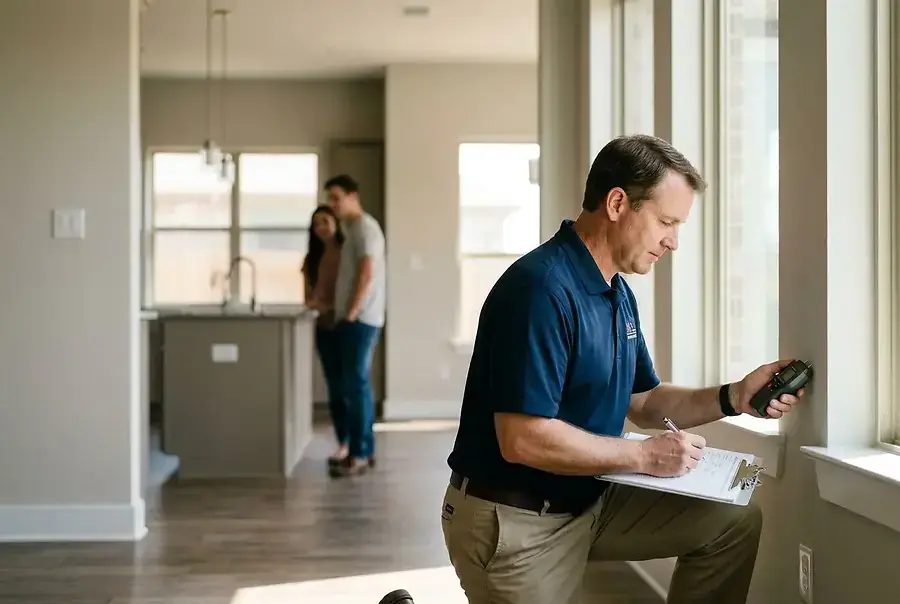
Why Home Inspections Matter: Protecting Your Investment in the DFW Market
Purchasing a home is one of the most significant financial decisions you'll make in your lifetime. In the competitive Dallas-Fort Worth real estate market, it's easy to get caught up in the excitement of finding the perfect property and overlook critical details. This is where a professional home inspection becomes invaluable.
A home inspection is a thorough examination of a property's physical structure and systems, conducted by a certified professional. In the DFW area, where homes range from historic properties to modern constructions, inspections help identify potential issues before you commit to the purchase. An inspection protects your investment by uncovering hidden problems that could cost thousands of dollars to repair after closing.
Beyond financial protection, inspections provide peace of mind. You'll have a detailed report documenting the condition of your future home, allowing you to make informed decisions about whether to proceed with the purchase, negotiate repairs, or request credits toward closing costs.
What Professional Inspectors Look For: A Room-by-Room Breakdown
Professional home inspectors in Dallas-Fort Worth follow a systematic approach, examining every major component of a home. Here's what you can expect during a typical inspection:
Exterior and Foundation
Inspectors begin outside, examining the roof, siding, gutters, and foundation. In North Texas, where extreme weather and soil conditions can affect foundations, this section is particularly important. They'll look for:
- Roof condition and remaining lifespan
- Foundation cracks or settling issues
- Proper drainage and grading
- Damage to siding or exterior materials
Plumbing Systems
Water damage is a common concern in DFW homes. Inspectors test water pressure, check for leaks, examine pipe materials, and assess the water heater condition. Older homes may have outdated plumbing that requires upgrades.
Electrical Systems
Inspectors verify that electrical panels are properly grounded, outlets function safely, and the system can handle modern electrical demands. They'll identify any outdated wiring or safety hazards.
HVAC Systems
Given Dallas-Fort Worth's hot summers and occasional cold winters, HVAC systems are crucial. Inspectors test heating and cooling efficiency, check ductwork, and assess the age and condition of units.
Interior Spaces
Room-by-room inspections include checking for:
- Water stains or signs of moisture damage
- Structural integrity of walls and ceilings
- Window and door functionality
- Flooring condition
- Insulation adequacy
Red Flags and Deal-Breakers: Understanding Common Issues Found in North Texas Homes
While every home has minor wear and tear, certain issues warrant serious consideration. Here are common red flags found in DFW properties:
Foundation Problems
Foundation issues are among the most expensive repairs in North Texas. Look for signs of settling, such as cracks in walls, uneven floors, or doors that don't close properly. Minor cracks may be cosmetic, but significant structural damage can cost $10,000 or more to repair.
Water Damage and Mold
Texas humidity and occasional heavy rains can lead to water intrusion. Inspectors look for evidence of past or present water damage, which can indicate mold growth or structural deterioration. This is a serious health and safety concern that requires professional remediation.
Roof Issues
A roof nearing the end of its lifespan is a significant expense. Most roofs last 15-25 years, depending on materials and maintenance. If replacement is needed soon, factor this into your negotiation.
Outdated Electrical Systems
Homes with aluminum wiring, insufficient outlets, or overloaded panels may pose fire hazards. Upgrading electrical systems can be costly and disruptive.
HVAC System Age
Air conditioning units typically last 10-15 years. If the system is near the end of its life, budget for replacement costs, which can exceed $5,000.
Plumbing Concerns
Galvanized pipes, polybutylene plumbing, or evidence of leaks should raise concerns. These issues can affect water quality and lead to expensive repairs.
Next Steps After Your Inspection: Negotiating Repairs and Moving Toward Closing
Once you receive your inspection report, you have several options depending on what was discovered:
Request Repairs
You can ask the seller to repair significant issues before closing. Focus on major structural or system problems rather than cosmetic issues. Sellers are more likely to agree to repairs that affect the home's safety or functionality.
Negotiate Credits
If the seller won't make repairs, you can request a credit toward closing costs. This allows you to hire contractors of your choice after purchase. Calculate repair costs based on contractor estimates to ensure adequate credits.
Renegotiate the Price
Significant issues discovered during inspection may justify a lower purchase price. Work with your real estate agent to determine fair adjustments based on repair costs.
Walk Away
If inspection reveals deal-breaker issues that would be too expensive or complicated to fix, you have the right to withdraw from the purchase, typically within the inspection contingency period outlined in your contract.
Move Forward As-Is
If issues are minor or you're comfortable addressing them yourself, you can proceed with the purchase without requesting changes. This is common for cosmetic issues or minor repairs.
Pro Tip: Always hire a licensed, insured home inspector with experience in the Dallas-Fort Worth area. They'll understand local building codes, common regional issues, and what's typical for homes in your price range and age group.
A thorough home inspection is your best defense against costly surprises after closing. By understanding what inspectors look for and knowing how to respond to their findings, you'll make a confident, informed decision about your Dallas-Fort Worth home purchase. Take your time with this process—it's an investment in your future.