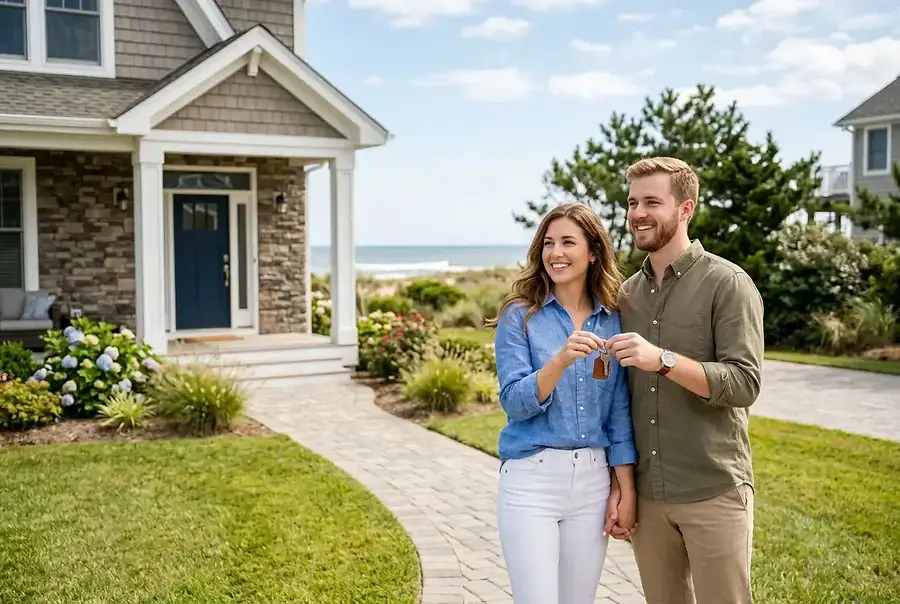
Understanding the Virginia Beach Real Estate Market
Virginia Beach is one of the most dynamic and attractive real estate markets on the East Coast, offering first-time buyers a diverse range of opportunities. As the largest city in Virginia and home to a thriving military community, the market has unique characteristics that new homeowners should understand before making their investment.
The Virginia Beach market has shown steady growth and resilience, with properties ranging from modest starter homes to luxury waterfront estates. Understanding current market trends is essential for making informed decisions. The market tends to favor buyers who are well-prepared, educated about local conditions, and ready to act quickly when the right property appears.
Market Trends and Pricing
Home prices in Virginia Beach vary significantly depending on location, with waterfront properties commanding premium prices while inland neighborhoods offer more affordable options for first-time buyers. The median home price reflects the diversity of the market, with opportunities available across multiple price points.
- Waterfront and oceanfront properties are the most expensive
- Military-adjacent neighborhoods offer competitive pricing
- Inland residential areas provide excellent value for new buyers
- The market experiences seasonal fluctuations, with spring typically being the busiest season
Financing Your First Home Purchase in Virginia Beach
Securing the right financing is one of the most critical steps in your home-buying journey. Virginia Beach offers numerous financing options tailored to first-time homebuyers, and understanding these options will help you make the best decision for your financial situation.
Loan Types and Programs
FHA Loans are particularly popular among first-time buyers because they require lower down payments—as little as 3.5%—and are more forgiving of credit imperfections. These loans are backed by the Federal Housing Administration and offer competitive interest rates.
Conventional Loans typically require a larger down payment (5-20%) but offer flexibility and no mortgage insurance requirements if you put down 20% or more. Many lenders in the Virginia Beach area specialize in conventional financing for qualified buyers.
VA Loans are an excellent option if you're a military member, veteran, or surviving spouse. These loans often require no down payment and no mortgage insurance, making them one of the most attractive options available.
USDA Loans may be available for properties in eligible rural areas surrounding Virginia Beach, offering favorable terms for qualified borrowers.
Getting Pre-Approved
Before you start house hunting, obtain a pre-approval letter from a lender. This document shows sellers that you're a serious buyer with verified funds and strengthens your negotiating position. Pre-approval typically takes 3-5 business days and requires documentation of income, assets, and credit history.
"Getting pre-approved is not just a formality—it's your ticket to being taken seriously in a competitive market and helps you understand your true buying power."
Exploring Virginia Beach Neighborhoods for New Buyers
Virginia Beach encompasses diverse neighborhoods, each with distinct characteristics, amenities, and price points. Choosing the right neighborhood is as important as finding the right home.
Popular Neighborhoods for First-Time Buyers
Oceanfront and Beach Areas offer the most premium pricing but provide unmatched lifestyle benefits, including beach access, restaurants, and entertainment. These neighborhoods are ideal if you prioritize lifestyle and have a higher budget.
Town Center is a vibrant mixed-use development featuring modern apartments, townhomes, and condos with walkable access to shops, restaurants, and entertainment. This area appeals to buyers seeking urban convenience.
Military-Adjacent Neighborhoods like Kempsville and Rosemont offer excellent value, strong community infrastructure, and convenient access to military installations. These areas have stable property values and active communities.
Inland Residential Communities such as Lynnhaven and Sandbridge provide family-friendly environments with good schools, parks, and more affordable pricing than oceanfront properties.
Factors to Consider When Choosing a Neighborhood
- Proximity to your workplace or military installation
- School quality and ratings if you have or plan to have children
- Access to shopping, dining, and entertainment
- Community amenities such as parks, recreation centers, and pools
- Property appreciation potential and market trends
- Commute times and traffic patterns
- Property taxes and homeowners association fees
Making Your First Offer and Closing Successfully
Once you've found the perfect property, it's time to make an offer and navigate the closing process. This stage requires attention to detail and strategic thinking.
Crafting a Competitive Offer
Your offer should be based on comparable sales (comps) in the neighborhood, current market conditions, and the property's condition. In a competitive market, being prepared to move quickly is essential. Work with your real estate agent to determine an appropriate offer price that balances your budget with market realities.
Include contingencies for home inspection, appraisal, and financing to protect yourself. However, understand that excessive contingencies may make your offer less attractive to sellers.
The Home Inspection and Appraisal
Once your offer is accepted, schedule a professional home inspection within the timeframe specified in your contract. The inspector will evaluate the property's structural integrity, systems, and potential issues. This is your opportunity to identify problems before closing.
The appraisal ensures the property's value supports the loan amount. If the appraisal comes in lower than your offer price, you'll need to renegotiate or cover the difference yourself.
Closing Day
Closing typically occurs 30-45 days after your offer is accepted. During this final stage, you'll review closing documents, verify all terms, and sign the necessary paperwork. Review your Closing Disclosure at least three days before closing to ensure all figures are accurate.
At closing, you'll pay your down payment, closing costs, and any other required fees. Your lender will fund the loan, and the title will transfer to you. Congratulations—you're now a Virginia Beach homeowner!
Final Tips for Success
- Maintain your credit score and avoid large purchases before closing
- Keep documentation organized and readily available for your lender
- Communicate regularly with your real estate agent and lender
- Don't make major changes to your employment or finances during the process
- Budget for closing costs, typically 2-5% of the purchase price
Buying your first home in Virginia Beach is an exciting milestone. By understanding the market, exploring your financing options, selecting the right neighborhood, and navigating the offer and closing process strategically, you'll be well-positioned to make a smart investment in this vibrant coastal community.