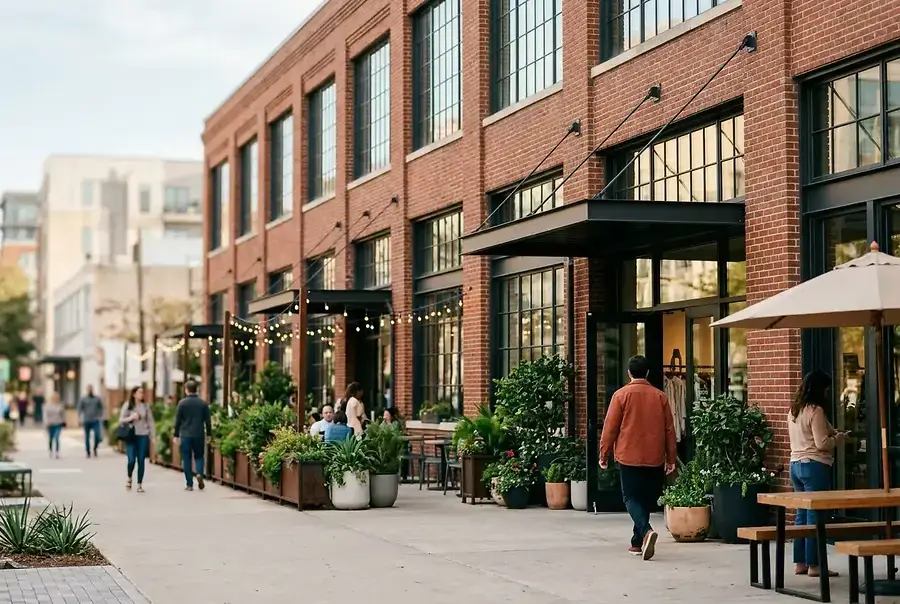
Understanding Adaptive Reuse Opportunities in Central Texas Markets
Adaptive reuse represents one of the most dynamic investment opportunities in Central Texas real estate. Rather than demolishing aging structures, savvy developers are reimagining underutilized buildings—from historic warehouses to defunct retail spaces—and transforming them into vibrant commercial destinations. This approach not only preserves architectural character but also unlocks significant financial potential.
The Central Texas market, particularly Austin and Round Rock, offers exceptional adaptive reuse opportunities. The region's rapid growth has created demand for unique commercial spaces, while an abundance of older buildings awaits transformation. Properties that once served single purposes—manufacturing facilities, department stores, or office buildings—can be repositioned to serve multiple tenants or entirely new functions.
Why Adaptive Reuse Makes Business Sense
Converting existing structures offers distinct advantages over ground-up development:
- Faster time to market: Existing buildings eliminate lengthy site preparation and foundation work
- Reduced construction complexity: Working with established structures often proves simpler than new construction
- Character and appeal: Historic or distinctive buildings attract premium tenants and customers
- Sustainability benefits: Reusing existing structures reduces environmental impact and appeals to conscious consumers
- Tax incentives: Federal and state programs reward historic preservation and adaptive reuse projects
Central Texas communities increasingly recognize adaptive reuse as essential to sustainable growth. Properties in walkable neighborhoods with established infrastructure become particularly valuable when repositioned for modern commercial use.
Navigating Zoning, Permits, and Regulatory Requirements for Conversions
Successfully converting a building requires understanding the regulatory landscape. Central Texas municipalities maintain varying requirements, making professional guidance essential.
Zoning and Land Use Considerations
Before purchasing a property, verify its current zoning designation and permitted uses. Many older buildings sit in zones that may restrict their conversion to your intended purpose. Austin, Round Rock, and surrounding cities offer zoning variances and conditional use permits that can unlock possibilities for properties in restrictive zones.
Key steps include:
- Obtaining a zoning verification letter from the municipality
- Determining if your intended use requires a variance or conditional use permit
- Understanding setback, parking, and density requirements
- Reviewing any historic district designations that may apply
Permitting and Code Compliance
Building code compliance represents a significant consideration in adaptive reuse projects. Older structures may require substantial upgrades to meet current fire safety, accessibility, and structural standards. Central Texas jurisdictions enforce International Building Code standards with local modifications.
Critical compliance areas include:
- ADA accessibility requirements for all public spaces
- Fire suppression and egress systems
- Electrical and mechanical system upgrades
- Structural assessments and reinforcement
- Environmental remediation if needed
Engaging architects and engineers early in the process prevents costly surprises. Many successful developers budget 15-25% of project costs specifically for code compliance and unforeseen structural issues.
Historic Preservation Incentives
If your property qualifies as historic, significant tax credits and incentives become available. The federal Historic Preservation Tax Credit can offset 20% of qualified rehabilitation expenses. Texas offers additional state-level incentives for properties on the National Register of Historic Places.
Cost Analysis: Budget Planning and Financial Feasibility for Your Project
Understanding project costs determines whether an adaptive reuse opportunity represents genuine value. Comprehensive budgeting accounts for acquisition, renovation, permits, and carrying costs.
Acquisition and Due Diligence
Adaptive reuse properties typically cost less per square foot than new construction, but thorough due diligence is essential. Budget for:
- Professional building inspections and structural assessments
- Environmental Phase I and Phase II assessments
- Zoning and permitting feasibility studies
- Appraisals and market analysis
These investments—typically $5,000-$25,000—prevent far costlier mistakes later.
Renovation and Construction Budgeting
Renovation costs vary dramatically based on building condition and intended use. A warehouse conversion to office space might cost $75-$150 per square foot, while retail conversions could range from $100-$200 per square foot depending on finishes and systems upgrades.
Major cost categories include:
- Structural repairs and reinforcement
- HVAC, electrical, and plumbing systems
- Interior finishes and tenant improvements
- Code compliance upgrades
- Contingency reserves (typically 15-20%)
Financial Feasibility and ROI Projections
Successful adaptive reuse projects demonstrate clear financial viability. Calculate your potential returns by analyzing:
- Acquisition cost: Purchase price plus due diligence expenses
- Renovation budget: All construction and professional fees
- Carrying costs: Interest, taxes, insurance during development
- Lease rates: Comparable rents for similar spaces in your market
- Occupancy assumptions: Conservative estimates for tenant absorption
Central Texas markets typically support 6-10% cap rates for well-executed adaptive reuse projects, with some premium properties achieving higher returns.
Success Stories and ROI Potential for Adaptive Reuse Developments
Central Texas boasts numerous adaptive reuse success stories that demonstrate the model's viability and profitability.
Market Trends Favoring Adaptive Reuse
Several factors create an ideal environment for adaptive reuse in Central Texas:
- Tenant demand: Businesses increasingly seek distinctive, character-filled spaces
- Population growth: Central Texas continues attracting residents and businesses
- Walkability premiums: Properties in established neighborhoods command premium rents
- Sustainability focus: Environmental consciousness drives interest in reused buildings
- Regulatory support: Local governments actively encourage adaptive reuse through incentives
Maximizing Your Investment Returns
Successful adaptive reuse investors employ proven strategies:
Strategic property selection: Target buildings in high-demand neighborhoods with strong fundamentals. Properties near transit, entertainment districts, or employment centers command premium rents.
Flexible design: Create spaces adaptable to multiple tenant types. Open floor plans, modular layouts, and efficient mechanical systems appeal to diverse users.
Authentic preservation: Maintain distinctive architectural features that justify premium pricing. Exposed brick, original hardwood, and period details attract quality tenants.
Mixed-use development: Combining retail, office, and residential uses maximizes property value and creates vibrant destinations.
Looking Forward
Adaptive reuse represents more than a real estate strategy—it's a sustainable approach to development that benefits investors, communities, and the environment. As Central Texas continues its growth trajectory, properties that combine historic character with modern functionality will remain highly sought after.
The convergence of strong market fundamentals, regulatory support, and tenant demand creates an exceptional window for adaptive reuse investment. Whether you're an experienced developer or exploring your first project, Central Texas offers compelling opportunities to transform underutilized buildings into thriving commercial successes.