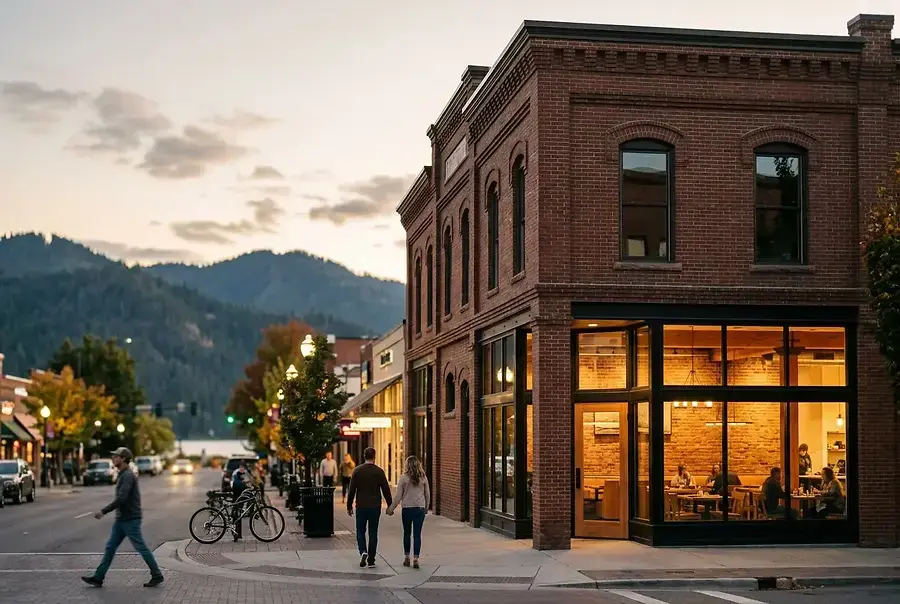
The Adaptive Reuse Opportunity in Coeur d'Alene
Coeur d'Alene's downtown district is experiencing a remarkable renaissance, and at the heart of this transformation lies a golden opportunity: adaptive reuse. Historic buildings that once stood vacant and deteriorating are being reimagined as vibrant commercial spaces, restaurants, offices, and mixed-use developments. This trend isn't just about preservation—it's about creating profitable ventures that honor the past while building the future.
The city's rich mining heritage has left behind a collection of architecturally significant structures dating back to the late 1800s and early 1900s. Many of these buildings possess character, craftsmanship, and location advantages that new construction simply cannot replicate. For savvy investors and entrepreneurs, these properties represent untapped potential and substantial returns on investment.
What makes adaptive reuse particularly attractive in Coeur d'Alene is the convergence of several factors: strong local demand for unique commercial spaces, available tax incentives, supportive city policies, and a community that values historic preservation. Whether you're looking to launch a boutique hotel, craft brewery, office complex, or specialty retail space, the city's historic building stock offers compelling opportunities.
Identifying Historic Properties with Commercial Potential
Where to Find Opportunities
The first step in any adaptive reuse project is identifying the right property. Coeur d'Alene's downtown core, particularly along Sherman Avenue and the surrounding blocks, contains numerous candidates. Key areas to focus on include:
- Vacant or underutilized commercial buildings in the historic district
- Former industrial structures with high ceilings and open floor plans
- Multi-story buildings with ground-floor retail potential
- Properties listed on the National Register of Historic Places
Evaluating Property Viability
Not every historic building is a viable candidate for adaptive reuse. Before committing resources, conduct a thorough evaluation:
- Structural Assessment: Hire a structural engineer to evaluate the building's foundation, framing, and overall integrity. Hidden damage can quickly erode project economics.
- Zoning and Land Use: Verify that your intended use aligns with current zoning regulations and future city development plans.
- Utility Infrastructure: Assess the condition of electrical, plumbing, HVAC, and other systems. Outdated infrastructure can represent significant upgrade costs.
- Market Demand: Research local market conditions for your proposed use. Is there genuine demand for the space you're envisioning?
- Location Analysis: Consider foot traffic, parking availability, visibility, and proximity to complementary businesses.
Navigating Permits, Incentives, and Preservation Requirements
Understanding Historic Preservation Guidelines
Coeur d'Alene's historic district comes with preservation requirements designed to maintain the character of the downtown area. While these guidelines may seem restrictive, they actually protect your investment by maintaining neighborhood appeal and property values.
Key considerations include:
- Exterior modifications must be approved by the Historic Preservation Commission
- Original architectural features should be preserved whenever possible
- Interior modifications typically have greater flexibility than exterior changes
- Modern systems must be integrated thoughtfully to minimize visual impact
Permits and Approvals
The permitting process for adaptive reuse projects involves multiple steps and agencies. Plan for a timeline of 6-12 months from initial application to final approval. You'll need:
- Historic Preservation Commission approval for exterior work
- Building permits from the City of Coeur d'Alene
- Planning and zoning approvals
- Environmental assessments (Phase I and potentially Phase II)
- Fire and life safety code compliance reviews
Financial Incentives and Tax Credits
This is where adaptive reuse becomes financially compelling. Multiple incentive programs can significantly reduce your project costs:
- Federal Historic Preservation Tax Credit: Up to 20% of qualified rehabilitation expenses for buildings listed on the National Register of Historic Places
- Idaho State Tax Credits: Additional state-level incentives for historic preservation projects
- Local Incentive Programs: Coeur d'Alene offers property tax abatements and other local incentives for qualifying projects
- Grant Opportunities: Various foundations and government agencies provide grants for historic preservation
These incentives can reduce your net project costs by 25-40%, dramatically improving your return on investment.
Success Stories and ROI Expectations for Adaptive Reuse Projects
Real-World Examples
Several recent adaptive reuse projects in Coeur d'Alene demonstrate the viability of this investment strategy. Historic warehouses have been transformed into loft apartments and office spaces, vacant storefronts have become thriving restaurants and boutiques, and old industrial buildings now house craft breweries and maker spaces.
These projects have consistently achieved:
- Property value appreciation of 40-60% within 5 years
- Strong tenant demand and low vacancy rates
- Premium rental rates compared to new construction
- Positive community reception and local support
Understanding ROI and Financial Projections
While every project is unique, typical adaptive reuse projects in Coeur d'Alene show promising returns:
"A well-executed adaptive reuse project can generate 8-12% annual returns, with significant appreciation potential as the downtown continues to revitalize."
Key factors affecting ROI include:
- Purchase price relative to market value
- Scope and cost of necessary renovations
- Ability to capture tax credits and incentives
- Tenant quality and lease terms
- Local market growth and demand trends
Timeline and Cost Considerations
Budget for a 2-3 year development timeline from acquisition to full occupancy. Typical costs break down as follows:
- Property acquisition: 20-30% of total project cost
- Hard construction costs: 40-50% of total project cost
- Soft costs (design, permits, professional fees): 15-20% of total project cost
- Contingency reserve: 10-15% of total project cost
Positioning Yourself as an Adaptive Reuse Expert
Success in adaptive reuse requires more than capital—it demands expertise, patience, and a genuine commitment to the project. Build your knowledge by:
- Connecting with local preservation organizations and the Historic Preservation Commission
- Studying completed projects and learning from both successes and challenges
- Building relationships with architects, contractors, and consultants experienced in historic renovation
- Understanding the nuances of historic tax credits and preservation incentives
- Staying informed about Coeur d'Alene's development plans and market trends
Adaptive reuse in Coeur d'Alene represents a compelling intersection of financial opportunity, community benefit, and historic preservation. By understanding the process, navigating the requirements, and learning from successful projects, you can position yourself to capitalize on this growing trend and contribute to the revitalization of one of Idaho's most charming downtown districts.