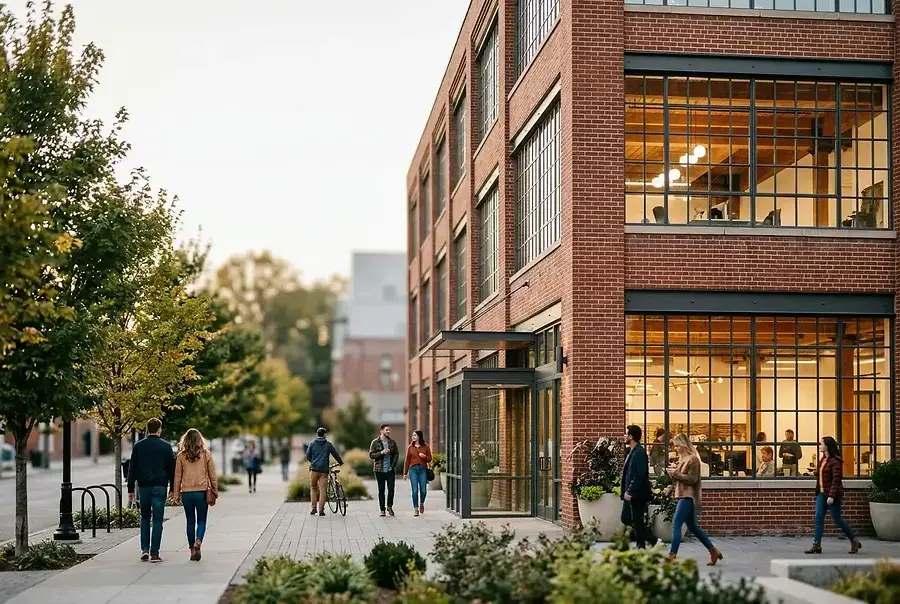
The Rise of Adaptive Reuse in Central Ohio
Central Ohio is experiencing a remarkable transformation as investors and developers discover the untapped potential hidden within aging commercial structures. Adaptive reuse—the practice of converting existing buildings into new purposes—has emerged as a powerful strategy for revitalizing communities while generating substantial returns on investment. Rather than demolishing historic properties, forward-thinking entrepreneurs are recognizing that these structures offer unique character, established locations, and significant cost advantages over new construction.
The movement toward adaptive reuse reflects a broader shift in how communities approach urban development. Vacant warehouses, old retail spaces, and abandoned office buildings are no longer seen as liabilities but as blank canvases waiting for creative transformation. In Powell, Ashville, and Lewis Center, this trend is reshaping neighborhoods and attracting new residents, businesses, and economic activity.
Strategic Benefits: Why Investors Are Converting Historic Structures into Modern Spaces
Financial Advantages
The financial case for adaptive reuse is compelling. Converting an existing building typically costs 20-30% less than new construction, while the property often comes with an established location that already has infrastructure, parking, and community recognition. Additionally, many jurisdictions offer tax credits and incentives for historic preservation projects, further improving project economics.
Investors benefit from:
- Lower acquisition costs compared to prime new development sites
- Reduced construction timelines and associated carrying costs
- Historic preservation tax credits that can offset 20-40% of project costs
- Established utility infrastructure and parking facilities
- Premium pricing potential for unique, character-filled spaces
Community and Environmental Impact
Beyond financial returns, adaptive reuse projects create meaningful community benefits. These projects preserve architectural heritage, reduce construction waste, and minimize environmental disruption. By breathing new life into neglected properties, developers help stabilize neighborhoods, attract foot traffic, and create gathering spaces that strengthen local culture.
Adaptive reuse isn't just about preserving the past—it's about building a more sustainable and vibrant future for our communities.
Market Demand
Consumer preferences have shifted dramatically. Millennials and Gen Z buyers increasingly prefer authentic, character-filled spaces over sterile new construction. Loft apartments in converted warehouses, boutique offices in historic buildings, and mixed-use developments that blend old and new are commanding premium prices and attracting tenants who value uniqueness and sustainability.
Case Studies: Successful Transformations Across Powell, Ashville, and Lewis Center
Powell's Industrial Renaissance
Powell has emerged as a leader in adaptive reuse innovation. Several former manufacturing facilities have been successfully converted into vibrant mixed-use developments featuring residential lofts, creative office spaces, and ground-floor retail. These projects have attracted young professionals and entrepreneurs seeking authentic workspaces with character and community connection.
Key success factors in Powell include:
- Strong municipal support and streamlined permitting processes
- Strategic location near major employment centers
- Access to talented workforce and growing population
- Collaboration between developers, city planners, and community stakeholders
Ashville's Neighborhood Revitalization
Ashville's adaptive reuse projects have focused on converting older commercial buildings into mixed-income housing and community spaces. Historic storefronts have been restored and repurposed as galleries, restaurants, and specialty retail, creating a walkable downtown that attracts both residents and visitors. These transformations have reversed decades of decline and positioned Ashville as an increasingly desirable neighborhood.
The success in Ashville demonstrates how adaptive reuse can:
- Stabilize property values and attract new investment
- Create gathering spaces that strengthen community bonds
- Support local small businesses and entrepreneurs
- Preserve architectural character while modernizing functionality
Lewis Center's Mixed-Use Development Model
Lewis Center has pioneered a sophisticated mixed-use approach to adaptive reuse, combining residential, commercial, and office space within historic structures. These developments have become destination locations, drawing residents who appreciate the blend of suburban convenience with urban walkability. The success of these projects has inspired similar initiatives throughout the region.
Lewis Center's approach emphasizes:
- Thoughtful integration of modern amenities within historic shells
- Diverse tenant mix that creates vibrant, 24-hour communities
- Attention to architectural authenticity and preservation details
- Strategic marketing to attract quality tenants and residents
Conclusion: Positioning Yourself for Adaptive Reuse Success
The adaptive reuse movement in Central Ohio represents a significant opportunity for investors, developers, and community leaders. The combination of financial incentives, market demand, and community benefits creates a compelling case for converting historic buildings into modern, profitable spaces.
Success in adaptive reuse requires:
- Due diligence: Thoroughly assess structural integrity, environmental conditions, and code compliance requirements
- Creative vision: Understand market demand and envision how a space can serve contemporary needs
- Community engagement: Build relationships with local stakeholders and municipal officials
- Financial planning: Accurately budget for unexpected challenges and leverage available incentives
- Professional expertise: Partner with architects, contractors, and consultants experienced in historic preservation
As Powell, Ashville, and Lewis Center continue to demonstrate, adaptive reuse is far more than a real estate trend—it's a proven strategy for creating vibrant, sustainable communities while generating attractive investment returns. Whether you're an experienced developer or an entrepreneur exploring new opportunities, the adaptive reuse landscape in Central Ohio offers compelling possibilities for those willing to see the potential in historic structures and commit to thoughtful transformation.