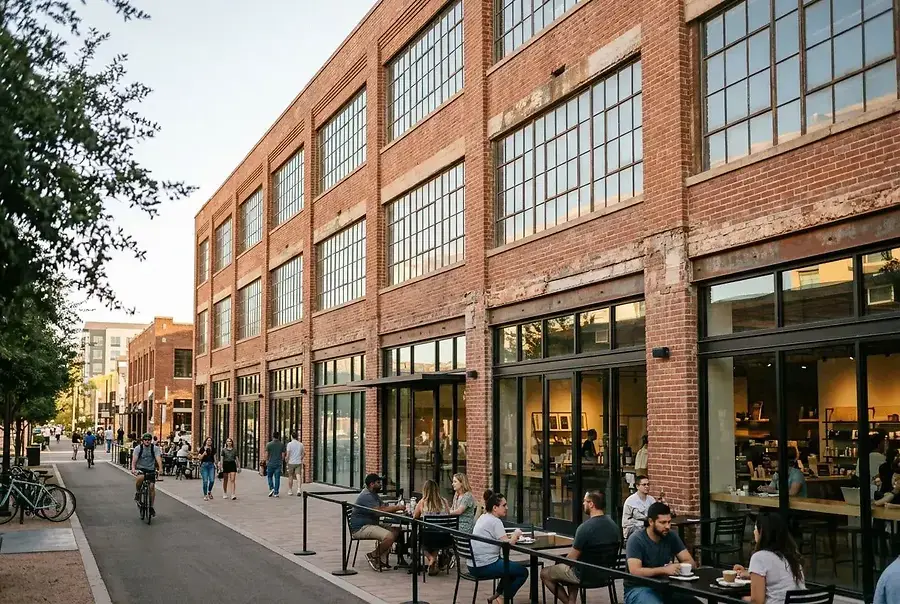
Understanding Adaptive Reuse: Why Smart Investors Are Converting Older Buildings
Adaptive reuse has emerged as one of the most compelling investment strategies in commercial real estate. Rather than demolishing aging structures, forward-thinking developers are reimagining these properties as vibrant commercial spaces that meet contemporary market demands. This approach offers multiple advantages that traditional new construction simply cannot match.
The Strategic Advantage of Adaptive Reuse
Converting older buildings into modern commercial spaces provides investors with significant cost savings compared to ground-up development. Existing foundations, structural frameworks, and utilities reduce construction expenses by 20-40%. Additionally, adaptive reuse projects often qualify for historic tax credits and other incentive programs that further enhance profitability.
Beyond financial benefits, adaptive reuse projects offer environmental advantages. By preserving existing structures, developers reduce waste and carbon emissions associated with demolition and new construction. This sustainability angle increasingly appeals to environmentally conscious tenants and investors alike.
Why Tenants Prefer Adaptive Reuse Spaces
Modern commercial tenants seek distinctive, character-filled spaces that differentiate their brands. Adaptive reuse properties deliver exactly that—combining historic charm with contemporary amenities. Exposed brick, original hardwood floors, and high ceilings create unique environments that command premium rental rates.
- Enhanced brand positioning through distinctive architecture
- Authentic, Instagram-worthy spaces that attract customers
- Flexible floor plans that accommodate diverse business needs
- Walkable, established neighborhoods with existing foot traffic
Market Opportunities in Tempe and Phoenix for Adaptive Reuse Projects
The Arizona market, particularly Tempe and Phoenix, presents exceptional opportunities for adaptive reuse investors. Both cities feature numerous vacant or underutilized historic buildings in prime locations, combined with strong tenant demand and favorable market conditions.
Tempe's Emerging Adaptive Reuse Scene
Tempe has positioned itself as a hub for adaptive reuse innovation. The city's proximity to Arizona State University creates consistent demand for commercial spaces serving students, faculty, and visitors. Historic warehouse districts near downtown Tempe are being transformed into trendy retail, restaurant, and office spaces.
Key opportunities in Tempe include:
- Former industrial warehouses in the Mill Avenue corridor
- Historic commercial buildings in downtown Tempe
- Underutilized retail properties in established neighborhoods
- Mixed-use developments combining residential and commercial spaces
Phoenix's Diverse Adaptive Reuse Landscape
Phoenix offers even broader opportunities across multiple neighborhoods. The city's rapid population growth and expanding business community create strong demand for commercial real estate. Historic districts in Roosevelt Row, Garfield, and Central Phoenix feature numerous conversion candidates.
Phoenix's adaptive reuse market benefits from:
- Strong tenant demand from growing tech and creative industries
- Established neighborhoods with walkable, vibrant atmospheres
- Supportive city policies and development incentives
- Diverse tenant base including restaurants, galleries, offices, and retail
Navigating Permits, Zoning, and Regulatory Requirements for Conversions
Successfully converting older buildings requires navigating a complex regulatory landscape. Understanding permit requirements, zoning regulations, and compliance standards is essential for project success and profitability.
Zoning and Land Use Considerations
Before acquiring a property, investors must verify that current zoning allows intended commercial uses. Many older buildings in Tempe and Phoenix were originally zoned for industrial or residential purposes. Converting these properties may require zoning variances or conditional use permits.
Key zoning questions to address:
- Does current zoning permit your intended commercial use?
- Are parking requirements feasible for the property?
- What setback and height restrictions apply?
- Are there historic district overlay regulations?
Historic Preservation and Building Codes
Properties in historic districts face additional regulatory requirements designed to preserve architectural integrity. While these regulations can complicate projects, they also unlock valuable tax incentives and grant opportunities.
Adaptive reuse projects must comply with:
- Historic preservation guidelines and design standards
- Updated building codes for safety and accessibility
- ADA compliance requirements
- Environmental remediation standards
- Energy efficiency upgrades
Securing Necessary Approvals
Working with experienced architects, engineers, and permitting consultants is essential for navigating regulatory requirements. These professionals understand local requirements and can identify potential obstacles early in the development process, preventing costly delays.
Calculating Costs and ROI: Making Your Adaptive Reuse Investment Profitable
Financial success in adaptive reuse requires careful cost analysis and realistic ROI projections. Understanding all expenses and revenue potential ensures projects remain profitable despite regulatory complexities.
Comprehensive Cost Analysis
Adaptive reuse projects involve multiple cost categories that must be carefully estimated:
- Acquisition costs: Property purchase price and due diligence expenses
- Renovation and construction: Structural repairs, systems upgrades, interior finishes
- Permitting and compliance: Architect, engineer, and consultant fees
- Soft costs: Insurance, financing, project management, contingencies
- Tenant improvements: Customizations for initial tenants
Contingency planning is critical. Older buildings often reveal hidden issues during renovation—outdated electrical systems, structural damage, or environmental concerns. Building 15-25% contingency into budgets protects against cost overruns.
Revenue Projections and ROI Calculations
Successful adaptive reuse projects generate revenue through multiple channels:
- Premium rental rates for distinctive commercial spaces
- Historic tax credits reducing project costs
- Potential property appreciation in revitalizing neighborhoods
- Long-term tenant retention due to unique space appeal
Conservative ROI projections for well-executed adaptive reuse projects typically range from 8-15% annually, depending on market conditions, property location, and renovation scope. Properties in high-demand Tempe and Phoenix neighborhoods often exceed these benchmarks.
Financing Adaptive Reuse Projects
Securing financing for adaptive reuse requires working with lenders experienced in this property type. Traditional construction loans may not be suitable for adaptive reuse projects due to their unique characteristics and timelines.
Explore these financing options:
- Historic preservation loans with favorable terms
- New Markets Tax Credit financing
- Community development financial institutions (CDFIs)
- State and local economic development programs
- Private equity and partnership structures
Maximizing Profitability
Smart investors maximize adaptive reuse profitability by phasing projects strategically. Converting one section first allows early revenue generation while subsequent phases are completed. This approach improves cash flow and reduces financing costs.
Additionally, selecting the right tenant mix enhances property value. Complementary businesses create synergies that attract customers and justify premium rents. In Tempe and Phoenix, successful adaptive reuse properties often combine restaurants, retail, offices, and creative studios.
Conclusion
Adaptive reuse represents a compelling opportunity for investors in Tempe and Phoenix. By understanding market dynamics, navigating regulatory requirements, and carefully analyzing financial projections, developers can transform vacant buildings into thriving commercial properties. The combination of cost savings, tax incentives, tenant demand for distinctive spaces, and strong market fundamentals makes adaptive reuse an increasingly attractive investment strategy in Arizona's dynamic commercial real estate market.