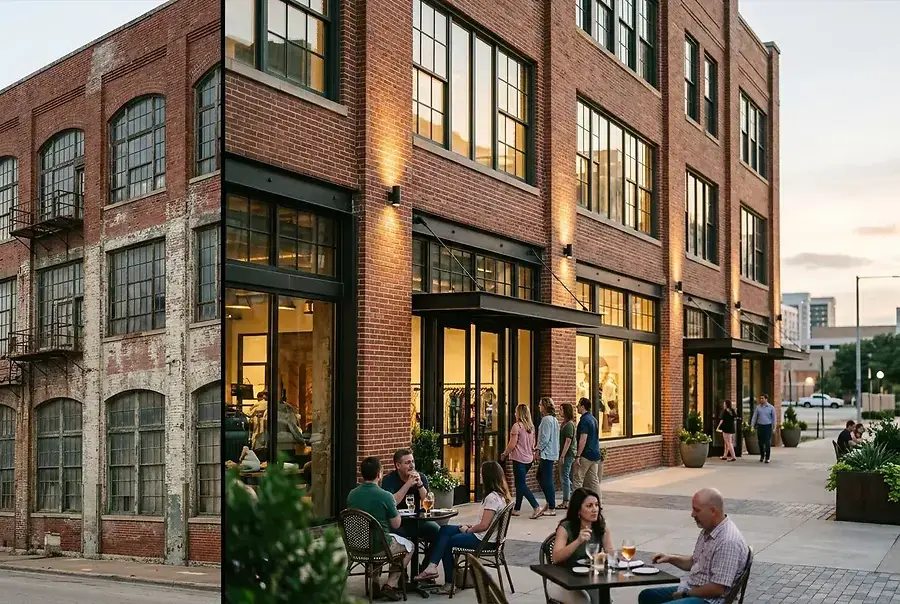
Understanding Adaptive Reuse in Fort Worth's Commercial Market
Adaptive reuse has become a transformative strategy for Fort Worth's commercial real estate landscape. Rather than demolishing aging structures, savvy property owners are reimagining these buildings for contemporary use, breathing new life into neighborhoods while preserving architectural character. This approach combines sustainability with profitability, creating spaces that appeal to modern tenants seeking unique, character-filled environments.
Fort Worth's historic warehouse districts, former manufacturing facilities, and vintage office buildings present exceptional opportunities for conversion. The city's thriving downtown core and emerging neighborhoods provide strong demand for distinctive commercial spaces. Property owners who recognize the potential in these structures position themselves to capture significant market share in an increasingly competitive landscape.
Why Fort Worth is Ideal for Adaptive Reuse
The city's rich industrial heritage combined with its growing economy creates the perfect conditions for adaptive reuse projects. Fort Worth's business community actively seeks authentic, character-driven spaces that differentiate their brands. Additionally, the city's supportive development policies and available incentive programs make conversion projects more financially feasible than ever before.
The Financial Benefits and ROI of Converting Existing Properties
The financial case for adaptive reuse is compelling. Converting existing structures typically costs significantly less than new construction while commanding premium rental rates. Property owners benefit from:
- Lower acquisition costs – Older buildings often sell at substantial discounts compared to prime new construction
- Reduced development timelines – Conversion projects typically complete faster than ground-up construction
- Premium rental rates – Tenants willingly pay higher rents for unique, character-filled spaces with architectural appeal
- Tax incentives – Federal and state historic preservation tax credits can offset 20-40% of qualified renovation costs
- Enhanced property values – Successful conversions often appreciate 30-50% above initial investment within 5-7 years
Calculating Your Adaptive Reuse ROI
Successful projects demonstrate returns of 15-25% annually when properly executed. Consider a typical scenario: a property acquired for $2 million with $1.5 million in renovation costs generates $400,000 in annual rental income. After accounting for operating expenses, this yields a strong cash-on-cash return while building equity through property appreciation.
The key to maximizing ROI is understanding your target tenant market before beginning renovations. Properties designed with specific end-users in mind command higher rents and experience faster lease-up periods.
Leveraging Tax Credits and Incentives
Fort Worth property owners should explore available financial incentives. Historic preservation tax credits, opportunity zone benefits, and local economic development grants can substantially improve project economics. Working with experienced tax advisors ensures you capture every available advantage.
Navigating Permits, Codes, and Compliance for Renovation Projects
Regulatory compliance represents both a challenge and an opportunity in adaptive reuse projects. While requirements can seem complex, understanding them early prevents costly delays and rework.
Essential Permits and Approvals
Your project will require multiple permits and approvals:
- Building permits – Required for all structural modifications and system upgrades
- Historic preservation review – Necessary if your building has historic designation
- Environmental assessments – Phase I and II environmental site assessments identify potential contamination
- Zoning variances – May be needed if your proposed use differs from current zoning
- Occupancy permits – Final approval confirming compliance with all codes
Code Compliance Strategies
Modern building codes often require significant upgrades to older structures. Focus on these critical areas: fire safety systems, accessibility compliance, mechanical and electrical systems, and structural integrity. Engaging architects and engineers experienced in adaptive reuse early in the process helps identify code requirements and budget accordingly.
Historic preservation guidelines may restrict certain modifications. However, these restrictions often preserve the character that makes your property valuable to tenants. Work collaboratively with preservation officials to find solutions that honor the building's heritage while meeting modern functional needs.
Working with Regulatory Agencies
Establish relationships with Fort Worth's planning and development departments early. Regular communication prevents surprises and demonstrates your commitment to compliance. Many cities offer pre-application meetings where officials provide guidance before formal submissions.
Positioning Your Adaptive Reuse Project for Maximum Market Appeal
Converting a building is only half the battle—successfully leasing the space requires strategic positioning and marketing.
Identifying Your Target Tenant Market
Different building types attract different tenants. Historic warehouses appeal to creative industries, tech companies, and upscale restaurants. Former office buildings attract professional services, nonprofits, and corporate headquarters. Understanding which tenants value your building's unique characteristics allows you to design spaces that command premium rates.
Design Considerations for Modern Tenants
Successful adaptive reuse projects balance historic character with modern functionality. Today's tenants expect:
- Open floor plans with flexible layouts
- High-speed internet infrastructure and technology integration
- Abundant natural light and quality indoor air
- Sustainable building features and energy efficiency
- Collaborative spaces and amenities
Preserving original architectural elements—exposed brick, timber beams, large windows, high ceilings—creates the distinctive appeal that justifies premium pricing while minimizing renovation costs.
Marketing Your Unique Space
Adaptive reuse properties tell compelling stories. Highlight the building's history, architectural significance, and the transformation you've created. Professional photography and virtual tours showcase the space's character. Emphasize the neighborhood's vibrancy, walkability, and community appeal. Successful marketing positions your property as more than just office or retail space—it's an experience that enhances tenant brands.
Building Community and Long-Term Value
Properties that foster community connections achieve higher occupancy rates and tenant retention. Consider hosting events, supporting local artists, or creating gathering spaces. These initiatives build loyalty and generate positive word-of-mouth that attracts quality tenants.
Conclusion
Adaptive reuse represents a powerful opportunity for Fort Worth commercial property owners. By understanding market dynamics, leveraging financial incentives, navigating regulatory requirements, and positioning projects strategically, you can transform aging structures into thriving, profitable assets. The combination of lower development costs, premium rental rates, and strong appreciation potential makes adaptive reuse an increasingly attractive investment strategy in Fort Worth's dynamic commercial real estate market.