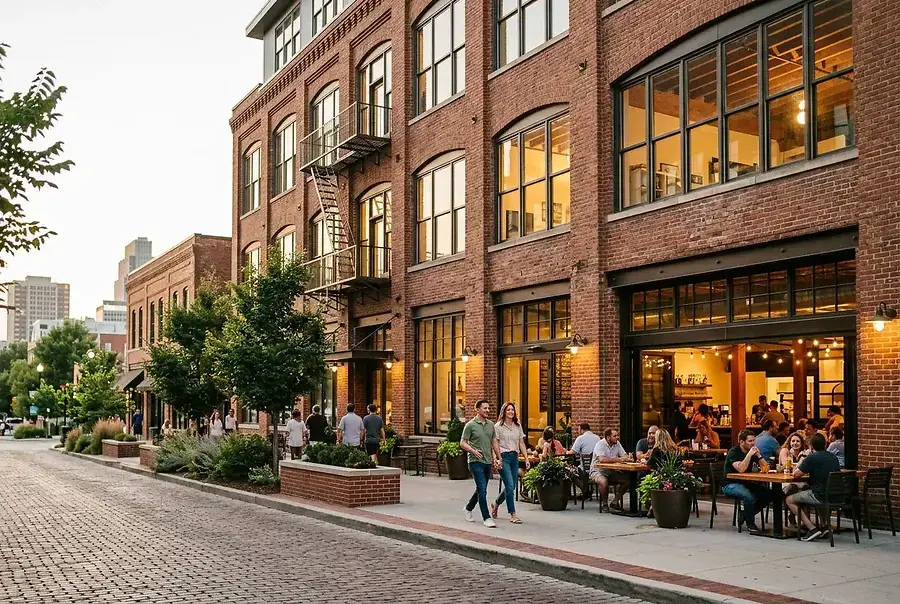
Understanding Adaptive Reuse: Definition and Market Advantages
Adaptive reuse represents one of the most compelling investment opportunities in Nebraska's commercial real estate market. This strategic approach involves converting existing buildings—originally designed for one purpose—into functional spaces serving entirely different uses. Rather than demolishing aging structures, savvy investors are recognizing the tremendous value in breathing new life into these properties.
The market advantages of adaptive reuse are substantial and multifaceted. First, investors benefit from significantly lower construction costs compared to ground-up development. The existing structural framework, foundations, and core infrastructure remain intact, eliminating expensive demolition and site preparation expenses. Second, adaptive reuse projects typically enjoy faster development timelines, allowing investors to reach revenue-generating status more quickly than traditional construction projects.
Beyond financial benefits, adaptive reuse projects often qualify for valuable tax incentives and grants. Federal historic preservation tax credits can offset 20% of qualified rehabilitation expenses, while Nebraska state programs provide additional funding opportunities. Environmental sustainability represents another compelling advantage—repurposing existing buildings reduces waste and carbon emissions compared to new construction.
Market Demand and Community Benefits
Nebraska communities increasingly value the preservation of architectural heritage while meeting contemporary needs. Adaptive reuse projects create vibrant mixed-use neighborhoods that attract residents, businesses, and tourism revenue. These transformations often revitalize declining downtown areas, increasing property values throughout surrounding blocks and generating renewed economic activity.
Identifying Eligible Properties in Lincoln and Omaha Markets
Nebraska's two largest metropolitan areas—Lincoln and Omaha—present exceptional opportunities for adaptive reuse investors. Each market offers distinct advantages and property types worth exploring.
Lincoln Market Opportunities
Lincoln's downtown corridor features numerous early-20th-century commercial buildings with strong bones and excellent locations. Key property types include:
- Historic bank buildings and financial institutions
- Former department stores with large open floor plans
- Warehouse and light industrial structures
- Office buildings from the 1960s-1980s with outdated systems
The Lincoln market particularly favors conversion projects targeting residential lofts, creative office spaces, and boutique hospitality venues. Strong university presence and growing tech sector demand create reliable tenant bases for these conversions.
Omaha Market Opportunities
Omaha's larger scale and diverse economy create broader adaptive reuse possibilities. Priority neighborhoods include:
- Old Market district—featuring historic brick warehouses ideal for mixed-use development
- Benson neighborhood—with industrial buildings suited for creative and commercial conversion
- Dundee area—offering mid-century commercial structures for residential and retail transformation
- Midtown Omaha—featuring office buildings ripe for hospitality and entertainment uses
Omaha's growing population and corporate headquarters presence support diverse conversion models, from luxury apartments to corporate office space to entertainment venues.
Property Evaluation Criteria
When identifying eligible properties, investors should assess:
- Structural integrity—Have professional engineers evaluate foundation, walls, and roof systems
- Location desirability—Proximity to amenities, transportation, and target tenant demographics
- Existing systems—Age and condition of electrical, plumbing, HVAC, and mechanical systems
- Historic designation status—Properties may qualify for additional tax credits and grants
- Market demand—Research local tenant demand for proposed end-use
Navigating Permits, Zoning, and Regulatory Compliance
Successfully executing adaptive reuse projects requires navigating complex regulatory frameworks. Understanding these requirements early prevents costly delays and redesigns.
Zoning and Land Use Considerations
Zoning compliance represents the first critical hurdle. Many aging commercial buildings exist in zones that may not permit proposed new uses. Fortunately, most Nebraska municipalities offer variance and conditional use permit processes. Working with experienced local planners early in the project ensures proposed uses align with zoning requirements or identifies pathways to obtain necessary approvals.
Lincoln and Omaha both maintain downtown revitalization zones with flexible zoning provisions specifically designed to encourage adaptive reuse. These districts often permit mixed-use development and creative conversions that might face obstacles in other areas.
Building Code and Safety Compliance
Adaptive reuse projects must meet current building codes despite existing structure limitations. Key compliance areas include:
- Accessibility requirements under the Americans with Disabilities Act
- Fire safety systems and egress requirements
- Energy efficiency standards
- Mechanical, electrical, and plumbing system upgrades
- Structural modifications to accommodate new uses
Building officials may grant reasonable accommodations when strict code compliance proves technically infeasible or economically prohibitive. Documenting these discussions and obtaining written approval protects projects from future complications.
Historic Preservation Requirements
Properties designated as historic landmarks or located within historic districts must follow specific preservation guidelines. The Secretary of Interior Standards for Historic Preservation establish requirements for maintaining historic character while accommodating modern functionality. Working with preservation specialists ensures projects meet these standards while accessing valuable tax credits.
Financial Planning and Return on Investment Projections
Successful adaptive reuse projects require rigorous financial analysis and realistic return projections.
Cost Estimation and Budget Development
Adaptive reuse projects typically involve three cost categories:
- Acquisition costs—Purchase price plus closing costs and due diligence expenses
- Hard costs—Construction, materials, and labor for renovation work
- Soft costs—Professional fees, permits, insurance, and financing costs
Contingency reserves of 15-25% are essential given the unpredictability of working with existing structures. Hidden conditions—asbestos, structural damage, outdated systems—frequently emerge during renovation, requiring budget flexibility.
Revenue Projections and Tenant Analysis
Realistic revenue projections depend on thorough market analysis. Investors should research comparable properties, current market rents, and occupancy rates for proposed uses. Conservative projections accounting for lease-up periods and potential vacancy prove more valuable than optimistic scenarios.
For mixed-use projects, diversified revenue streams reduce risk. Combining residential units, commercial space, and hospitality venues creates resilience against market fluctuations affecting any single sector.
Return on Investment Metrics
Evaluate adaptive reuse projects using multiple financial metrics:
- Cap Rate—Annual net operating income divided by total investment
- Cash-on-Cash Return—Annual cash flow divided by initial equity investment
- Internal Rate of Return (IRR)—Accounts for timing and magnitude of cash flows
- Payback Period—Years required to recover initial investment
Nebraska's adaptive reuse projects typically generate cap rates of 5-8%, with cash-on-cash returns of 8-15% depending on project specifics and financing structure. These returns compare favorably to traditional commercial real estate investments while offering additional benefits through tax credits and property appreciation.
Financing Strategies
Adaptive reuse projects often qualify for specialized financing programs. Key funding sources include:
- Historic Preservation Tax Credit financing
- New Markets Tax Credit programs
- Community Development Block Grants
- Traditional commercial real estate loans with adaptive reuse experience
- State and local economic development incentives
Working with lenders experienced in adaptive reuse ensures access to favorable terms and programs specifically designed for these project types.
Conclusion
Adaptive reuse represents a compelling opportunity for Nebraska investors seeking profitable, sustainable real estate projects. By understanding market advantages, identifying eligible properties in Lincoln and Omaha, navigating regulatory requirements, and conducting rigorous financial analysis, investors can transform aging commercial buildings into thriving income-generating assets. The combination of financial returns, community impact, and environmental sustainability makes adaptive reuse an increasingly attractive investment strategy for forward-thinking developers.