The Rise of Adaptive Reuse in Southeast Michigan
Southeast Michigan is experiencing a remarkable transformation as forward-thinking investors recognize the tremendous potential in adaptive reuse projects. Rather than demolishing aging commercial structures, savvy developers are reimagining these spaces as vibrant mixed-use developments that blend residential, retail, and office components. This trend reflects a broader shift toward sustainable development practices and smart urban planning.
Southfield and Clinton Township have emerged as prime locations for these innovative projects. Their strategic positioning within the Detroit metropolitan area, combined with strong infrastructure and business-friendly policies, makes them ideal candidates for conversion initiatives. The region's growing population and increasing demand for mixed-use spaces have created a perfect storm of opportunity for investors willing to take on adaptive reuse challenges.
The benefits are substantial:
- Preservation of architectural heritage and community character
- Reduced environmental impact compared to new construction
- Faster project timelines than ground-up development
- Access to tax incentives and historic preservation credits
- Enhanced community engagement and local support
Identifying High-Potential Properties for Conversion Projects
Location and Market Analysis
The first step in any successful adaptive reuse project is identifying properties with genuine conversion potential. Investors must conduct thorough market analysis to understand local demographics, employment trends, and consumer preferences. Properties located near transit corridors, entertainment districts, or emerging neighborhoods typically command premium valuations post-conversion.
In Southfield and Clinton Township, properties with strong bones—solid structural integrity, good ceiling heights, and flexible floor plans—are particularly attractive. Buildings originally constructed for manufacturing or corporate offices often feature the open layouts that modern tenants demand.
Financial Feasibility Assessment
Before committing capital, investors must evaluate the financial viability of conversion. This includes:
- Acquisition costs and current market value
- Estimated renovation and construction expenses
- Projected rental income and occupancy rates
- Timeline to profitability
- Exit strategy and long-term holding potential
Pro tip: Many successful developers use conservative revenue projections and add 15-20% contingency buffers to construction estimates. This approach protects against unexpected complications that frequently arise during renovation work.
Navigating Zoning, Permits, and Regulatory Requirements
Understanding Local Zoning Ordinances
Zoning regulations in Southfield and Clinton Township can significantly impact project feasibility. Many older commercial buildings were constructed under zoning codes that differ substantially from current regulations. Developers must work closely with municipal planning departments to understand permitted uses, setback requirements, and density limitations.
Mixed-use developments often require variances or special permits. The good news is that both municipalities have demonstrated strong support for adaptive reuse initiatives that contribute to community revitalization. Planning commissions frequently view these projects favorably when they align with comprehensive development plans.
Permitting and Compliance
The permitting process requires coordination across multiple agencies. Key considerations include:
- Building permits: Structural modifications, mechanical systems, electrical upgrades
- Environmental assessments: Phase I and Phase II environmental site assessments
- Historic preservation: If applicable, compliance with state and federal historic guidelines
- ADA compliance: Accessibility requirements for public spaces and tenant areas
- Fire and life safety codes: Updated sprinkler systems, egress routes, alarm systems
Engaging experienced architects, engineers, and legal counsel early in the process streamlines compliance and prevents costly delays. Many successful developers maintain relationships with local municipal staff to navigate requirements efficiently.
Leveraging Incentive Programs
Michigan offers several incentive programs that can dramatically improve project economics. The Historic Preservation Tax Credit provides federal tax credits for qualified rehabilitation of historic structures. Additionally, local tax abatement programs and brownfield remediation grants can offset significant development costs.
"The key to successful adaptive reuse is viewing regulatory requirements not as obstacles, but as opportunities to create better, safer, more valuable properties," explains a seasoned Michigan real estate developer.
Maximizing ROI Through Strategic Adaptive Reuse Planning
Mixed-Use Programming Strategy
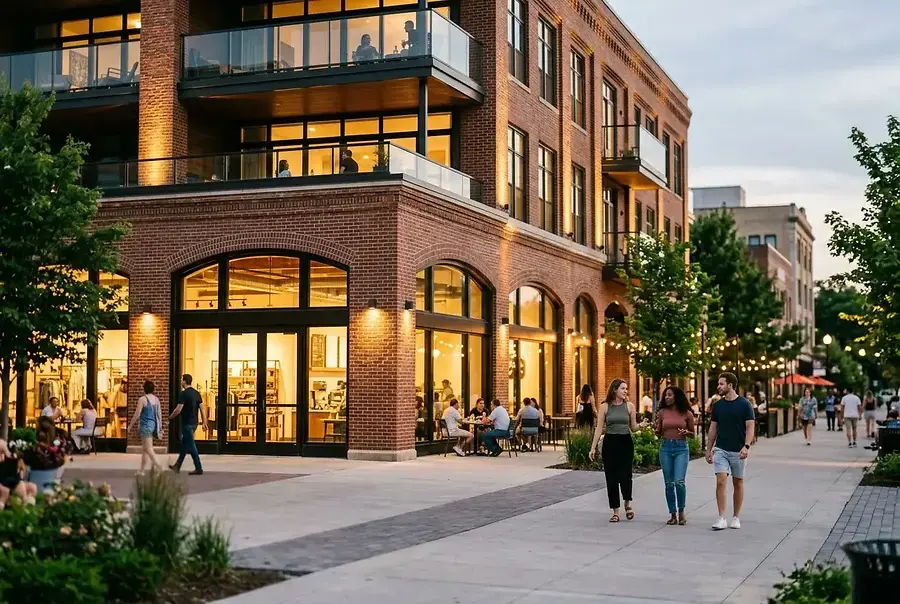
The most successful adaptive reuse projects thoughtfully blend complementary uses. Ground-floor retail and restaurants create street-level activation, while upper floors accommodate residential lofts or office space. This vertical integration maximizes property value and creates vibrant, walkable environments that attract quality tenants.
In Southfield and Clinton Township, demand is particularly strong for:
- Luxury loft apartments with exposed brick and high ceilings
- Boutique office spaces for creative and tech companies
- Experiential retail and specialty dining venues
- Fitness and wellness facilities
- Community gathering spaces and event venues
Design and Tenant Mix Optimization
Successful adaptive reuse requires balancing preservation of original architectural character with modern amenities. Developers who maintain distinctive features—original hardwood floors, exposed beams, vintage brick—while incorporating contemporary HVAC, technology infrastructure, and accessibility features create properties with strong market appeal.
Tenant mix significantly impacts long-term value. Anchor tenants provide stability and cash flow, while complementary secondary tenants create synergy. A successful mixed-use property might feature a well-known restaurant, professional services offices, and residential units that collectively drive foot traffic and community engagement.
Timeline and Phasing Strategies
Large adaptive reuse projects often benefit from phased development approaches. Completing revenue-generating components first—such as ground-floor retail—generates cash flow that supports subsequent phases. This strategy reduces financing burden and demonstrates market viability to future lenders and investors.
Realistic timelines account for permitting delays, construction complications, and tenant leasing periods. Most successful projects in the region require 18-36 months from acquisition to stabilized occupancy, depending on scope and complexity.
Building Community Support
Projects that engage local stakeholders from inception typically encounter fewer obstacles and achieve faster lease-up. Community meetings, transparent communication about project benefits, and incorporation of local feedback create goodwill that translates to smoother approvals and stronger tenant interest.
Forward-thinking developers recognize that adaptive reuse projects are not merely financial investments—they are community assets that enhance neighborhood character, create employment opportunities, and contribute to regional economic vitality. This perspective, combined with disciplined financial analysis and strategic planning, positions investors for success in Southeast Michigan's dynamic real estate market.