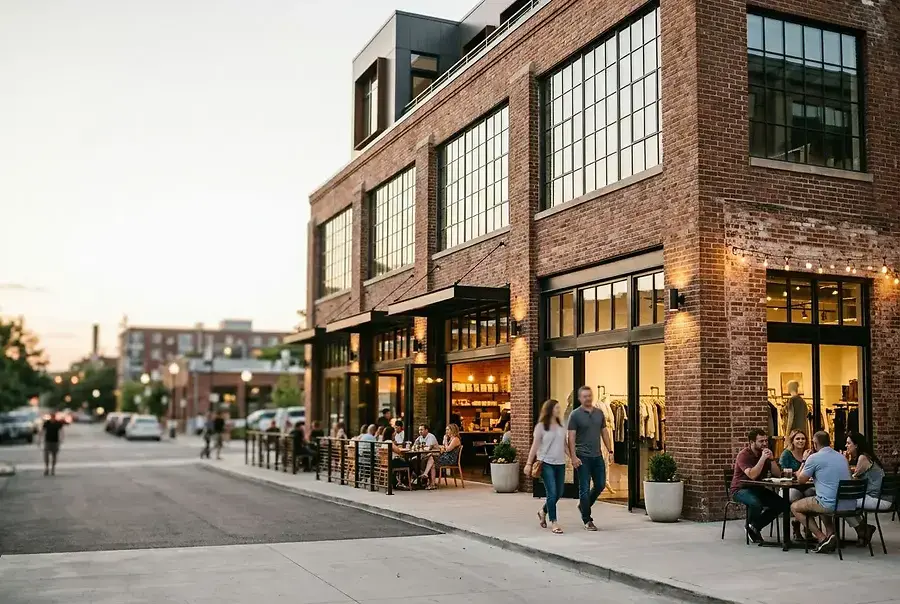
Understanding Adaptive Reuse in Jonesboro's Commercial Market
Adaptive reuse represents one of the most innovative approaches to commercial real estate development in Jonesboro. Rather than demolishing aging or underutilized buildings, savvy investors are breathing new life into existing structures by converting them into modern mixed-use spaces that serve contemporary market demands.
The Jonesboro commercial market has experienced significant shifts in recent years. Traditional office spaces, retail corridors, and warehouses that once thrived are now facing vacancy challenges. Adaptive reuse projects address this challenge by reimagining these properties for new purposes—transforming old office buildings into residential lofts, converting warehouses into creative workspaces, and repurposing retail locations into mixed-use developments that combine dining, entertainment, and residential components.
This approach offers several distinct advantages over traditional new construction:
- Preservation of Character: Historic and architecturally significant buildings maintain their charm while gaining modern functionality
- Faster Development Timeline: Existing structures eliminate lengthy permitting processes for new construction
- Reduced Environmental Impact: Reusing existing buildings reduces waste and carbon footprint compared to demolition and new construction
- Community Appeal: Adaptive reuse projects often generate stronger community support and local engagement
Key Challenges and Solutions for Property Conversion Projects
Structural and Code Compliance Issues
Converting older commercial buildings presents unique structural challenges. Many Jonesboro properties were built decades ago and may not meet current building codes, accessibility standards, or safety requirements. The solution lies in comprehensive structural assessments and strategic planning. Engaging experienced architects and engineers early in the process helps identify potential issues before they become costly problems.
Utility and Infrastructure Updates
Aging buildings often feature outdated electrical systems, plumbing, HVAC infrastructure, and internet connectivity. Modern tenants expect reliable utilities and high-speed connectivity. Upgrading these systems requires careful planning to minimize disruption and control costs. Many successful Jonesboro projects phase infrastructure improvements strategically, prioritizing critical systems while planning longer-term upgrades.
Financing and Funding Obstacles
Traditional lenders sometimes hesitate to finance adaptive reuse projects due to perceived risk. However, multiple funding options exist:
- Historic preservation tax credits for qualifying projects
- New Markets Tax Credits for developments in economically distressed areas
- State and local economic development grants
- Community development financial institutions (CDFIs) specializing in adaptive reuse
- Public-private partnerships with municipal governments
Zoning and Regulatory Navigation
Converting properties to new uses often requires zoning variances or special permits. Successful developers invest time in understanding Jonesboro's zoning regulations and building relationships with city planning departments. Many municipalities now actively encourage adaptive reuse through streamlined approval processes and regulatory flexibility.
Financial Benefits and ROI for Adaptive Reuse Investors
Cost Advantages Over New Construction
Adaptive reuse projects typically cost 20-30% less than comparable new construction. By preserving existing structural elements and building shells, developers avoid the substantial expenses associated with land acquisition, site preparation, and foundation work. This cost advantage directly translates to improved profit margins and faster payback periods.
Premium Rental Rates and Tenant Demand
Modern tenants increasingly seek unique, character-filled spaces that adaptive reuse projects provide. These distinctive environments command premium rental rates compared to standard commercial properties. A converted historic warehouse with exposed brick, high ceilings, and industrial charm attracts creative professionals, tech companies, and lifestyle-focused retailers willing to pay above-market rates.
Asset Appreciation and Long-Term Value
Successfully executed adaptive reuse projects significantly increase property values. A building that was vacant or underperforming becomes a vibrant community asset generating consistent revenue streams. This transformation creates substantial equity appreciation, particularly in emerging neighborhoods where adaptive reuse catalyzes broader revitalization.
Diversified Revenue Streams
Mixed-use developments create multiple income sources: ground-floor retail generates higher per-square-foot rents, office space attracts professional tenants, residential units provide stable residential income, and amenity spaces command premium pricing. This diversification reduces vacancy risk and stabilizes overall project returns.
Getting Started: Planning Your Jonesboro Conversion Project
Step 1: Identify and Evaluate Potential Properties
Begin by analyzing Jonesboro's commercial real estate market to identify underutilized properties with conversion potential. Look for buildings with strong bones, interesting architectural features, and locations with emerging demand. Properties near downtown revitalization areas, universities, or growing employment centers typically offer the strongest conversion opportunities.
Step 2: Conduct Thorough Due Diligence
Before committing capital, invest in comprehensive assessments:
- Structural engineering evaluations
- Environmental assessments and Phase I/II studies
- Title research and legal review
- Market analysis and tenant demand studies
- Cost estimation from experienced contractors
Step 3: Assemble Your Team
Successful adaptive reuse requires diverse expertise. Build a team including experienced architects familiar with conversion projects, structural engineers, contractors with adaptive reuse experience, real estate attorneys, and financial advisors. Local connections matter—professionals familiar with Jonesboro's regulatory environment and market conditions prove invaluable.
Step 4: Develop a Comprehensive Business Plan
Create a detailed plan addressing project scope, timeline, budget, financing strategy, and projected returns. Include contingency reserves for unexpected issues—adaptive reuse projects often encounter surprises during renovation. A well-developed business plan attracts financing partners and keeps projects on track.
Step 5: Secure Appropriate Financing
Explore all available funding sources. Many successful Jonesboro projects combine traditional construction financing with tax credits and grants. Lenders increasingly understand adaptive reuse and offer competitive terms for well-planned projects with experienced teams.
Step 6: Execute with Flexibility
Once construction begins, maintain flexibility to adapt to discoveries and market changes. Regular communication with your team, transparent contractor relationships, and proactive problem-solving ensure projects stay on schedule and budget.
Adaptive reuse represents more than a real estate strategy—it's a commitment to sustainable development, community revitalization, and creating vibrant spaces where people want to live, work, and gather.
Jonesboro's commercial real estate landscape is ripe with adaptive reuse opportunities. By understanding the challenges, recognizing the financial benefits, and following a structured development process, investors can transform underutilized properties into thriving mixed-use developments that generate strong returns while revitalizing the community.