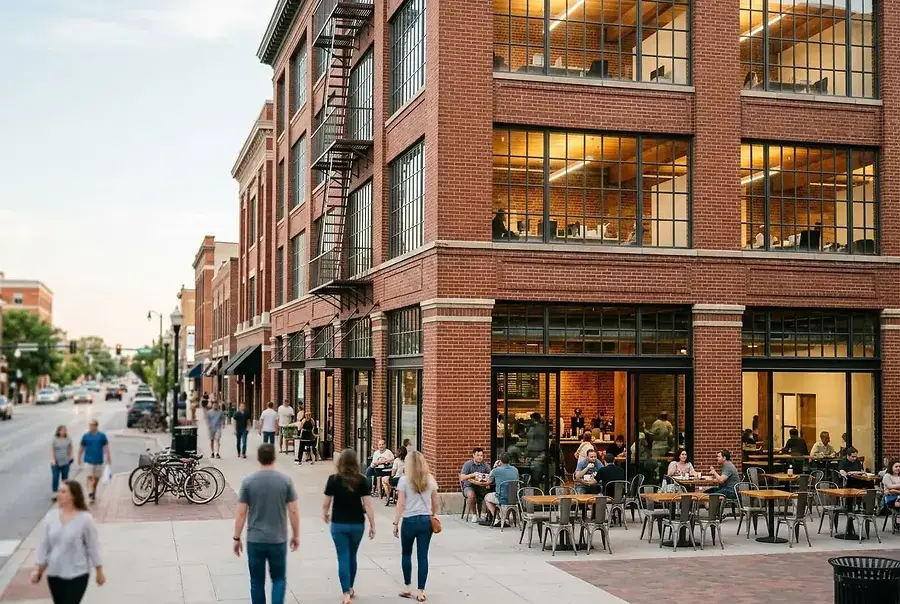
The Rise of Adaptive Reuse in Kansas Commercial Real Estate
Kansas is experiencing a remarkable transformation in its commercial real estate landscape. Across the state, from the bustling streets of Wichita to smaller regional centers, developers and investors are discovering the tremendous potential hidden within aging buildings. Rather than demolishing these structures, forward-thinking entrepreneurs are breathing new life into them through adaptive reuse projects—a strategy that combines financial savvy with environmental responsibility.
This trend reflects a broader shift in how we think about urban development and sustainability. Instead of starting from scratch, adaptive reuse allows property owners to capitalize on existing infrastructure while honoring the architectural heritage that defines Kansas communities. The result is a win-win scenario: preserved landmarks, vibrant new commercial spaces, and attractive investment opportunities.
Understanding Adaptive Reuse: Converting Outdated Buildings Into Modern Commercial Assets
What Is Adaptive Reuse?
Adaptive reuse refers to the process of converting buildings originally designed for one purpose into spaces serving entirely different functions. A historic warehouse might become a trendy office complex. An old factory could transform into upscale retail or residential lofts. A defunct bank building might house a modern restaurant or creative agency.
The key to successful adaptive reuse lies in thoughtful planning and strategic execution. Developers must assess structural integrity, update mechanical and electrical systems, ensure code compliance, and integrate modern amenities—all while maintaining the character that makes these buildings valuable in the first place.
Why Kansas Is Ideal for Adaptive Reuse
Kansas possesses several advantages that make it particularly suited for adaptive reuse projects:
- Abundant Historic Inventory: The state boasts numerous well-constructed buildings from the late 1800s and early 1900s, many featuring distinctive architectural details and solid foundations.
- Lower Land and Construction Costs: Compared to coastal markets, Kansas offers significantly lower acquisition and renovation expenses, improving project economics.
- Growing Urban Centers: Cities like Wichita are experiencing renewed commercial interest, creating strong demand for innovative workspace solutions.
- Community Support: Kansas communities often embrace preservation efforts that maintain local character while driving economic development.
Real-World Examples in Kansas
Across the state, successful adaptive reuse projects demonstrate the viability of this approach. Historic downtown districts in Wichita have seen former office buildings converted into mixed-use developments combining retail, dining, and residential spaces. Smaller communities have transformed old grain elevators and agricultural buildings into event venues, creative studios, and specialty retail destinations.
These projects showcase how adaptive reuse can revitalize neighborhoods, attract new businesses, and create gathering spaces that strengthen community identity.
Key Benefits: Higher Returns, Tax Incentives, and Market Demand in Wichita and Beyond
Financial Advantages
Superior Return on Investment: Adaptive reuse projects often deliver higher returns than traditional new construction. Lower acquisition costs, combined with premium rental rates for distinctive spaces, create attractive profit margins. Tenants frequently pay premium prices for the character and uniqueness that adaptive reuse spaces provide.
Tax Incentives and Credits: Kansas and federal programs offer substantial tax benefits for historic preservation projects. The Federal Historic Preservation Tax Credit can offset up to 20% of qualified rehabilitation expenses. State-level incentives further enhance project economics, making adaptive reuse financially competitive with conventional development.
Market Demand and Tenant Appeal
Modern businesses increasingly seek distinctive, character-filled spaces that reflect their brand identity. Creative agencies, tech startups, boutique retailers, and upscale restaurants actively pursue adaptive reuse locations. These tenants understand that unique environments enhance employee satisfaction, attract customers, and differentiate their businesses in competitive markets.
In Wichita and across Kansas, this demand continues growing as companies recognize the marketing value and operational benefits of distinctive commercial spaces.
Sustainability and Community Impact
Beyond financial returns, adaptive reuse projects deliver significant environmental and social benefits:
- Reducing waste by preserving existing structures rather than demolishing and rebuilding
- Lowering embodied carbon compared to new construction
- Revitalizing underutilized neighborhoods and downtown areas
- Creating jobs during renovation and ongoing operations
- Strengthening community character and local pride
- Supporting small businesses and entrepreneurship
These benefits resonate with investors, tenants, and communities alike, creating a powerful incentive structure supporting adaptive reuse development.
Risk Mitigation Strategies
While adaptive reuse offers compelling advantages, successful projects require careful planning. Smart investors:
- Conduct thorough structural and environmental assessments before acquisition
- Work with experienced architects and contractors familiar with historic renovation
- Secure pre-leasing commitments from quality tenants before project completion
- Budget conservatively for unexpected issues common in older buildings
- Leverage professional property management to maximize long-term returns
Positioning Your Portfolio for Success in Kansas's Growing Adaptive Reuse Market
For investors considering entry into Kansas's adaptive reuse market, several strategic considerations emerge:
Location Selection: Focus on established commercial districts with strong foot traffic, growing tenant demand, and supportive municipal policies. Wichita's downtown and emerging secondary markets offer compelling opportunities.
Property Analysis: Evaluate buildings based on structural soundness, architectural significance, location desirability, and market demand for potential uses. The best candidates combine solid bones with strong neighborhood fundamentals.
Partnership and Expertise: Success requires assembling experienced teams including preservation architects, specialized contractors, and knowledgeable property managers. Local relationships and community connections prove invaluable.
Financing Strategy: Explore specialized lending programs designed for adaptive reuse projects. Many lenders understand the economics and offer favorable terms for well-planned developments.
Kansas's adaptive reuse market represents a compelling opportunity for sophisticated investors seeking attractive returns while contributing to community revitalization. As demand for distinctive commercial spaces continues growing and tax incentives remain available, the window for entry into this market remains wide open.
By understanding the fundamentals of adaptive reuse, recognizing market opportunities, and executing thoughtfully planned projects, investors can position themselves to benefit from Kansas's emerging commercial real estate renaissance. The state's abundant historic inventory, supportive communities, and growing urban centers create an ideal environment for adaptive reuse success.