The Rise of Adaptive Reuse in the Delaware Valley Region
The Delaware Valley region is experiencing a remarkable transformation as developers and investors discover the immense potential of adaptive reuse projects. Historic buildings that once stood vacant or underutilized are now being reimagined as thriving commercial spaces, breathing new life into communities while preserving architectural heritage. This trend reflects a broader shift in commercial real estate toward sustainable development and community-focused investment strategies.
Adaptive reuse has become more than just a preservation strategy—it's a smart business model. Property owners and developers are recognizing that converting historic structures into modern commercial spaces offers unique advantages over traditional new construction. From reduced development timelines to lower environmental impact, adaptive reuse projects are reshaping how we think about commercial real estate investment in the region.
How Historic Buildings Are Being Converted Into Modern Commercial Spaces
Innovative Conversion Strategies
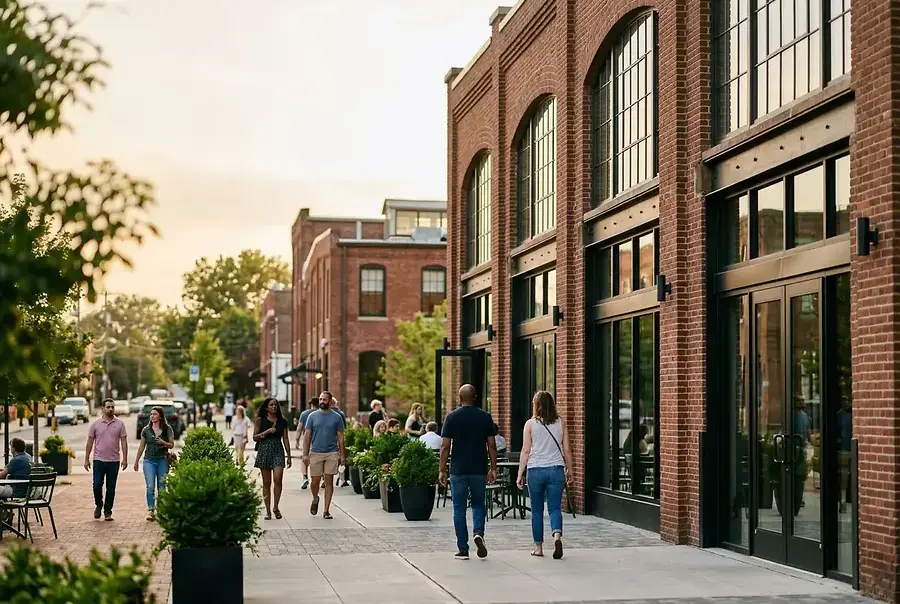
The conversion process involves careful planning and creative vision. Historic warehouses are being transformed into mixed-use office complexes, while former industrial buildings now house tech startups, creative agencies, and collaborative workspaces. Developers are preserving original architectural features—exposed brick, timber beams, and large windows—while integrating modern amenities like high-speed internet infrastructure, climate control systems, and flexible floor plans.
Success Stories Across the Region
Several notable projects showcase the potential of adaptive reuse in the Delaware Valley:
- Wilmington's Riverfront District: Former manufacturing facilities have been converted into premium office spaces and retail destinations, attracting major corporate tenants and creating vibrant streetscapes.
- New Castle Historic District: Colonial-era buildings are being reimagined as boutique commercial spaces, maintaining historical integrity while meeting contemporary business needs.
- Philadelphia's Emerging Neighborhoods: Industrial lofts and warehouse districts are becoming sought-after locations for creative industries, tech companies, and professional services.
Balancing Preservation and Modernization
The key to successful adaptive reuse lies in balancing historical preservation with modern functionality. Developers work closely with preservation specialists and local authorities to maintain architectural character while installing necessary infrastructure. This approach often results in distinctive commercial spaces that command premium rental rates and attract quality tenants seeking unique work environments.
Investment Opportunities and Market Benefits of Adaptive Reuse Properties
Strong Financial Returns
Adaptive reuse projects offer compelling investment opportunities for several reasons:
- Lower acquisition costs: Historic properties typically cost less than comparable new construction sites in prime locations.
- Tax incentives: Federal and state historic preservation tax credits can significantly reduce project costs and improve returns on investment.
- Faster time to market: Converting existing structures is often quicker than developing new buildings from the ground up.
- Premium rental potential: Unique, character-filled spaces often command higher rents than standard commercial properties.
Market Demand and Tenant Appeal
Forward-thinking companies increasingly prefer adaptive reuse spaces for their distinctive character and sustainability credentials. Creative industries, technology firms, and professional services are particularly attracted to these environments, which foster innovation and collaboration. The authentic aesthetic of converted historic buildings creates an appealing brand image for tenants and enhances employee satisfaction.
Community and Economic Impact
Beyond financial returns, adaptive reuse projects generate significant community benefits. These developments:
- Revitalize underutilized neighborhoods and downtown districts
- Create local jobs during construction and ongoing operations
- Increase property tax revenues for municipalities
- Preserve cultural heritage and architectural landmarks
- Attract complementary businesses and amenities to surrounding areas
Sustainability Advantages
Environmental considerations make adaptive reuse increasingly attractive to socially conscious investors. Reusing existing structures requires significantly less energy and materials than new construction, reducing carbon footprints and supporting sustainability goals. Many adaptive reuse projects achieve green building certifications, further enhancing their market appeal and long-term value.
Positioning Your Portfolio in This Emerging Commercial Trend
For investors looking to capitalize on the adaptive reuse movement in the Delaware Valley, several strategies can maximize success:
Key Investment Considerations
- Location matters: Focus on properties in revitalizing neighborhoods with strong fundamentals and growth potential.
- Structural integrity: Conduct thorough due diligence to assess building conditions and renovation requirements.
- Regulatory landscape: Understand local preservation requirements, zoning regulations, and available incentive programs.
- Tenant demand: Research market demand for commercial space in your target area and identify potential anchor tenants.
- Professional partnerships: Work with experienced developers, architects, and preservation specialists familiar with adaptive reuse projects.
The Future of Commercial Real Estate
The adaptive reuse trend in the Delaware Valley represents a fundamental shift in how we approach commercial real estate development. As companies prioritize sustainability, authenticity, and community engagement, demand for distinctive, character-filled commercial spaces will continue to grow. Investors who recognize and act on this opportunity now are positioning themselves at the forefront of a transformative market trend.
The convergence of financial incentives, market demand, and community benefits makes adaptive reuse projects an increasingly attractive investment strategy. Whether you're a seasoned real estate investor or exploring new opportunities, the Delaware Valley's thriving adaptive reuse market offers compelling potential for portfolio growth and meaningful community impact.
