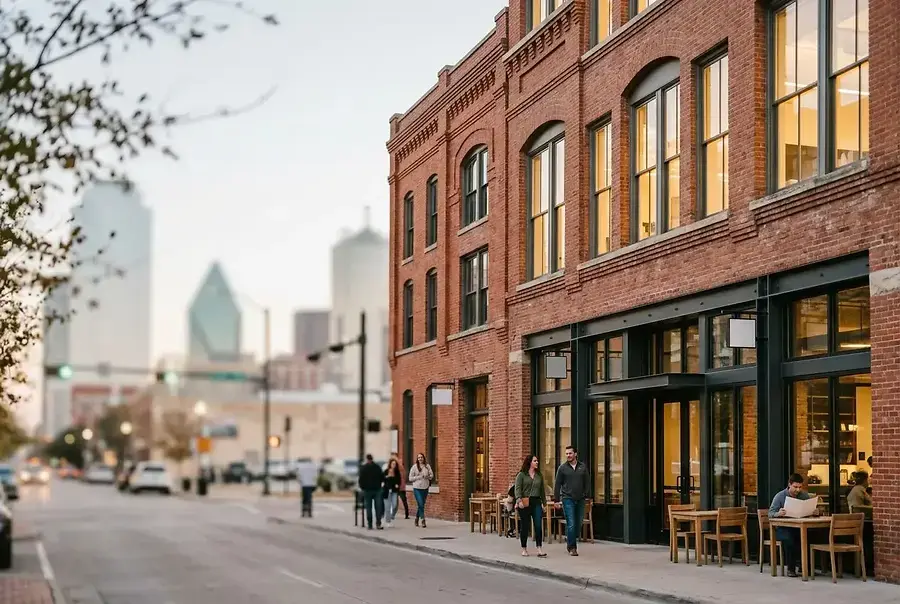
The Commercial Reuse Revolution in Dallas-Fort Worth
Dallas-Fort Worth is experiencing a remarkable transformation as developers and investors recognize the immense potential of adaptive reuse projects. Rather than demolishing aging commercial structures, forward-thinking entrepreneurs are breathing new life into historic buildings, converting them into dynamic modern spaces that blend architectural character with contemporary functionality. This shift represents more than just a real estate trend—it's a fundamental reimagining of how cities can grow sustainably while preserving their heritage.
The DFW region, known for its sprawling development and modern skyline, is now embracing a more nuanced approach to commercial real estate. From the warehouse districts of Deep Ellum to the industrial corridors of Fort Worth's Stockyards area, adaptive reuse projects are creating vibrant mixed-use neighborhoods that attract businesses, residents, and visitors alike.
Understanding Adaptive Reuse: Benefits and Market Demand
Why Adaptive Reuse Makes Economic Sense
Adaptive reuse projects offer compelling advantages over traditional new construction. Cost efficiency stands as one of the primary benefits—existing structures provide a foundation that eliminates expensive demolition and site preparation costs. Additionally, many historic buildings qualify for tax incentives and grants that significantly reduce development expenses.
The market demand for adaptive reuse spaces continues to surge. Businesses increasingly seek distinctive environments that set them apart from competitors. A tech startup operating from a converted 1920s warehouse gains authentic character that sleek glass office towers cannot replicate. This unique appeal translates directly into higher rental rates and stronger tenant retention.
Environmental and Community Benefits
Beyond financial considerations, adaptive reuse projects deliver substantial environmental advantages:
- Reduced waste: Preserving existing structures diverts millions of tons of construction debris from landfills
- Energy efficiency: Modern retrofitting with sustainable systems reduces operational carbon footprints
- Community preservation: Historic buildings maintain neighborhood character and cultural identity
- Economic revitalization: Projects stimulate local economies and create employment opportunities
Communities benefit from increased foot traffic, improved property values, and the restoration of neglected areas into thriving commercial districts. This revitalization effect extends beyond the individual property, transforming entire neighborhoods into desirable destinations.
Case Studies: Successful Conversions Driving DFW Commercial Growth
Deep Ellum's Industrial Renaissance
Deep Ellum exemplifies adaptive reuse success in DFW. Historic warehouses and manufacturing facilities have been transformed into creative office spaces, galleries, restaurants, and entertainment venues. These conversions have attracted major tech companies, creative agencies, and startups seeking authentic, affordable alternatives to traditional office parks. The neighborhood's transformation demonstrates how adaptive reuse can catalyze broader economic development and community engagement.
Fort Worth's Stockyards District Evolution
Fort Worth's iconic Stockyards area showcases adaptive reuse on a larger scale. Historic livestock facilities and trading buildings have been reimagined as retail destinations, restaurants, and event spaces. The district now generates significant tourism revenue while maintaining its authentic Western heritage. This balance between preservation and modernization has become a model for other cities nationwide.
The Warehouse District Transformation
Throughout DFW, warehouse districts are experiencing remarkable conversions. Former manufacturing facilities now house:
- Corporate headquarters and professional offices
- Creative studios and design firms
- Trendy restaurants and craft breweries
- Fitness centers and wellness facilities
- Residential lofts and mixed-use developments
These projects demonstrate the versatility of adaptive reuse and its ability to serve diverse commercial purposes while maintaining architectural integrity.
Investment Considerations and Next Steps for Commercial Property Buyers
Evaluating Adaptive Reuse Opportunities
Investors considering adaptive reuse projects should evaluate several critical factors:
- Structural integrity: Professional engineering assessments are essential to identify hidden issues and renovation costs
- Location and market demand: Proximity to transportation, workforce, and customer bases significantly impacts project viability
- Zoning and regulatory compliance: Understanding local regulations and obtaining necessary permits prevents costly delays
- Tenant demand: Research market appetite for the proposed commercial use in the specific neighborhood
- Timeline and budget: Realistic project timelines and contingency budgets protect investment returns
Financial Incentives and Support Programs
DFW investors benefit from various financial incentives designed to encourage adaptive reuse. Historic preservation tax credits can offset significant portions of renovation costs. Local economic development agencies offer grants, low-interest loans, and expedited permitting for qualifying projects. State and federal programs provide additional funding opportunities for projects meeting specific criteria.
Consulting with tax professionals and development specialists ensures investors maximize available incentives and structure deals optimally.
The Path Forward for Commercial Property Buyers
For commercial property buyers and investors, adaptive reuse represents a compelling opportunity to participate in DFW's evolution. The combination of financial incentives, strong market demand, and community support creates an ideal environment for successful projects.
Prospective investors should:
- Research available properties in emerging neighborhoods
- Connect with experienced adaptive reuse developers and consultants
- Investigate available tax credits and grant programs
- Conduct thorough due diligence on structural and market conditions
- Develop detailed financial projections and risk assessments
As DFW continues to grow, adaptive reuse projects will increasingly define the region's commercial landscape. By transforming historic buildings into vibrant modern spaces, investors and developers are creating lasting value while preserving the character that makes Dallas-Fort Worth unique. The next generation of commercial real estate success in DFW will be built on the foundation of thoughtful, strategic adaptive reuse.