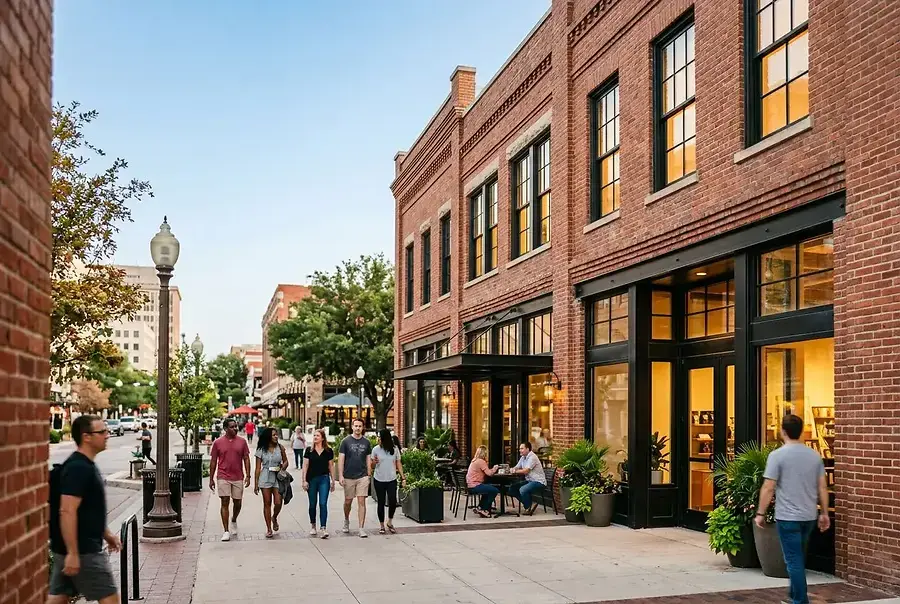
Understanding Adaptive Reuse Opportunities in Central Texas Markets
The Central Texas real estate landscape is experiencing a remarkable transformation. Across Austin, San Antonio, and New Braunfels, investors are discovering goldmines in overlooked commercial properties. Adaptive reuse—the practice of converting existing buildings for new purposes—has become one of the most dynamic investment strategies in the region.
These three markets present unique opportunities for forward-thinking developers. Austin's booming tech sector creates demand for mixed-use spaces combining office, retail, and residential components. San Antonio's rich cultural heritage and growing tourism industry make historic building conversions particularly attractive. New Braunfels, meanwhile, offers more affordable entry points for investors seeking to establish their portfolios in emerging markets.
Why Adaptive Reuse Makes Economic Sense
Converting existing structures costs significantly less than ground-up development. You avoid lengthy permitting processes for new construction and benefit from established infrastructure. The financial advantage is compelling: adaptive reuse projects typically require 20-30% less capital investment compared to new builds while generating comparable returns.
Beyond economics, adaptive reuse addresses critical community needs:
- Revitalizes declining neighborhoods and downtown corridors
- Preserves architectural heritage and local character
- Reduces environmental impact by avoiding demolition waste
- Creates jobs during renovation and ongoing operations
- Increases property tax revenues for municipalities
These benefits make adaptive reuse projects attractive to local governments, which often provide tax incentives and expedited approvals for qualifying conversions.
Navigating Permits, Zoning, and Renovation Costs for Conversion Projects
Understanding Local Regulatory Frameworks
Each Texas municipality has distinct zoning codes and building regulations. Success requires thorough due diligence before acquiring property. Austin's strict historic preservation guidelines differ dramatically from San Antonio's approach, which differs again from New Braunfels' more flexible regulations.
Key regulatory considerations include:
- Zoning Compliance: Verify that your intended use aligns with current zoning or pursue variance applications
- Historic Designation: Properties listed on historic registers may qualify for tax credits but face renovation restrictions
- Building Codes: Older structures often require significant upgrades to meet current safety and accessibility standards
- Environmental Assessment: Phase I and II environmental reviews identify potential contamination issues
- Structural Evaluation: Professional engineering assessments determine renovation feasibility and costs
Budgeting for Renovation Expenses
Renovation costs vary dramatically based on building condition, age, and intended use. A realistic budget typically includes:
Structural repairs and code compliance upgrades often represent 40-50% of total renovation costs, making accurate assessment critical to project viability.
Common expense categories include:
- HVAC, electrical, and plumbing system replacements
- Roof repairs or replacement
- Foundation stabilization and waterproofing
- ADA compliance modifications
- Fire suppression and safety system installation
- Interior finishes and tenant improvements
Building a 15-20% contingency reserve is essential—older buildings frequently reveal hidden issues during renovation.
Leveraging Incentive Programs
Texas offers several programs that reduce project costs. The Historic Preservation Tax Credit provides federal and state incentives for qualifying renovations. Opportunity Zone investments offer capital gains tax deferral benefits. Local economic development agencies frequently provide grants, low-interest loans, or tax abatements for projects meeting specific criteria.
Identifying High-Potential Properties and Assessing Financial Returns
Spotting Undervalued Opportunities
The best adaptive reuse deals often involve properties overlooked by conventional investors. Look for buildings in transitional neighborhoods showing early signs of revitalization. Properties with strong bones but cosmetic issues frequently offer the best risk-adjusted returns.
Key indicators of high-potential properties:
- Strategic location near transit, employment centers, or entertainment districts
- Solid structural foundation requiring cosmetic rather than major repairs
- Flexible floor plans adaptable to multiple uses
- Adequate parking or proximity to public transportation
- Reasonable acquisition price relative to post-renovation value
Calculating Returns and Exit Strategies
Successful adaptive reuse investors analyze multiple return scenarios. The hold-and-operate strategy involves converting the property and retaining it as a long-term income-producing asset. The development-for-sale approach focuses on maximizing value through conversion and selling to owner-operators or larger institutional investors.
Essential financial metrics include:
- Cap Rate: Net operating income divided by property value, typically 5-7% for stabilized adaptive reuse properties
- Cash-on-Cash Return: Annual cash flow relative to initial equity investment
- Internal Rate of Return (IRR): Accounts for timing and magnitude of cash flows over the holding period
- Loan-to-Value Ratio: Lenders typically finance 65-75% of adaptive reuse projects
Conservative underwriting assumes 12-24 months for renovation, 6-12 months for lease-up, and 5-10 year holding periods. These timelines protect against market downturns and unexpected delays.
Market-Specific Considerations
Austin offers the highest rents and fastest appreciation but faces intense competition and rising acquisition costs. Focus on emerging neighborhoods with improving fundamentals. San Antonio provides stable, predictable returns with lower entry costs and strong tourism-driven demand. New Braunfels attracts investors seeking growth potential with manageable competition and affordable properties.
Conclusion: Positioning Your Portfolio for Long-Term Commercial Growth
Adaptive reuse represents a compelling opportunity for investors seeking to build resilient, profitable commercial real estate portfolios. By understanding market dynamics, navigating regulatory requirements, and conducting thorough financial analysis, you can identify and execute projects that generate strong returns while contributing to community revitalization.
Success requires patience, expertise, and attention to detail. Partner with experienced architects, engineers, and legal advisors familiar with adaptive reuse projects. Build relationships with local government officials and community stakeholders. Start with smaller projects to develop expertise before tackling larger, more complex conversions.
The Central Texas market offers abundant opportunities for investors willing to see potential in overlooked properties. Whether you're drawn to Austin's dynamic growth, San Antonio's cultural richness, or New Braunfels' emerging potential, adaptive reuse offers a pathway to building long-term wealth while creating vibrant spaces that strengthen communities.