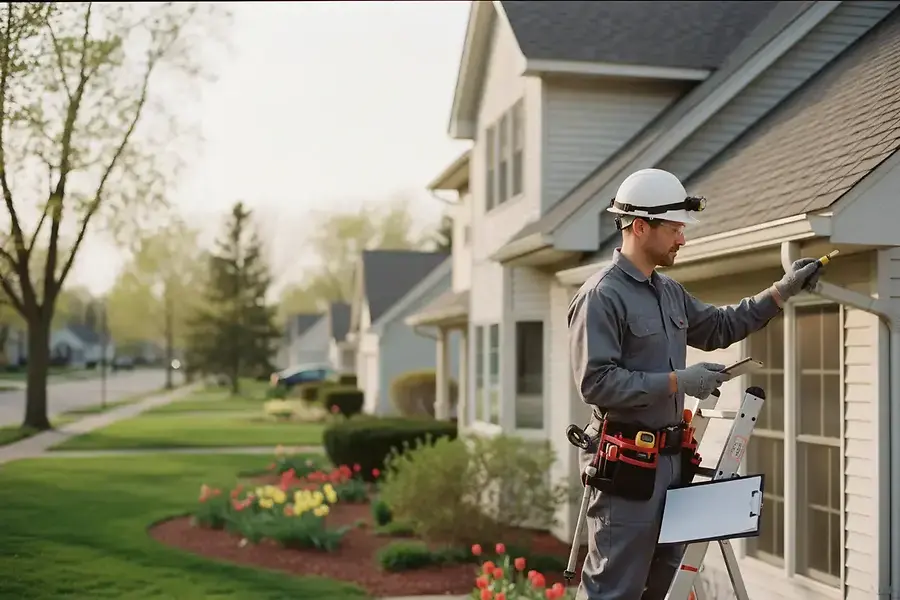
Understanding the Home Inspection Process in Appleton
A home inspection is one of the most critical steps in the homebuying process. In Appleton's competitive residential market, understanding what this process entails can mean the difference between a sound investment and a financial nightmare. A professional home inspector will spend 2-3 hours examining your potential property, creating a detailed report of its condition.
The inspection typically occurs after your offer is accepted but before the final closing. This timing allows you to request repairs or renegotiate the purchase price based on the inspector's findings. Always hire a licensed, insured inspector who is familiar with Appleton's local building codes and climate considerations.
What to Expect During the Inspection
Your inspector will examine both the interior and exterior of the home systematically. They'll test systems, look for visible damage, and document everything in a comprehensive report. You have the right to be present during the inspection—in fact, it's highly recommended. This gives you the opportunity to ask questions and understand potential issues firsthand.
Key Areas to Inspect: From Foundations to Roofs
Professional inspectors follow a standardized checklist, but knowing the critical areas yourself empowers you as a buyer.
Foundation and Structural Integrity
The foundation is your home's backbone. Inspectors look for:
- Cracks in the foundation or basement walls
- Signs of water damage or moisture intrusion
- Uneven settling or sloping floors
- Deterioration of concrete or masonry
Appleton's soil composition and seasonal freeze-thaw cycles can impact foundations over time, making this inspection particularly important in our region.
Roofing and Exterior
Your roof protects everything beneath it. Inspectors evaluate:
- Shingle condition and remaining lifespan
- Flashing around chimneys and vents
- Gutters and downspout functionality
- Siding condition and water damage
- Windows and door seals
Plumbing Systems
Water-related issues are among the costliest to repair. Inspectors check:
- Water pressure and flow rates
- Pipe materials and corrosion signs
- Drain functionality
- Water heater age and condition
- Septic systems (if applicable)
Electrical Systems
Safety is paramount with electrical systems. Inspectors examine:
- Panel capacity and breaker condition
- Outlet and switch functionality
- Grounding and bonding
- Outdated wiring (aluminum, knob-and-tube)
HVAC and Climate Control
Heating and cooling systems are essential in Appleton's climate. Inspectors assess:
- Furnace/boiler age and efficiency
- Air conditioning unit condition
- Ductwork integrity
- Thermostat functionality
Red Flags and Deal-Breakers Every Buyer Should Recognize
While minor issues are normal in any home, certain findings warrant serious consideration.
Major Structural Problems
Foundation cracks, severe settling, or structural damage can cost tens of thousands to repair. These are rarely simple fixes and may indicate deeper issues with the home's integrity.
Mold and Water Damage
Extensive mold growth or water damage suggests ongoing moisture problems. This can affect air quality and structural integrity, and remediation can be expensive and complex.
Outdated or Dangerous Electrical Systems
Aluminum wiring, knob-and-tube wiring, or insufficient panel capacity pose fire hazards. Upgrading electrical systems is costly and disruptive.
Failing Septic Systems
If the property uses a septic system, failure or improper maintenance can result in thousands in replacement costs. Always have septic systems professionally inspected.
Roof Near End of Life
A roof requiring replacement within 2-3 years is a significant expense. Budget accordingly or negotiate a credit from the seller.
Pest Infestations
Evidence of termites, carpenter ants, or other destructive pests requires professional treatment and may indicate structural damage.
Negotiating Repairs and Next Steps After Your Inspection
Once you receive the inspection report, you have options for moving forward.
Review and Prioritize Findings
Work with your real estate agent to categorize issues by severity and cost. Focus on major structural, safety, and system issues rather than cosmetic concerns.
Request Repairs or Credits
You can ask the seller to:
- Repair identified issues before closing
- Provide a credit toward repairs you'll handle
- Reduce the purchase price to account for repairs
Sellers may refuse some requests, so prioritize your must-haves. Be reasonable in your requests—asking for cosmetic updates rarely succeeds.
Get Specialist Inspections
For significant findings, consider hiring specialists:
- Structural engineers for foundation concerns
- Plumbers for major plumbing issues
- Electricians for electrical system problems
- Mold specialists for water damage or mold
Make Your Final Decision
After negotiations, you must decide whether to proceed, request further concessions, or walk away. Remember: you have the right to terminate your offer if inspection findings are unacceptable and your contract includes an inspection contingency.
Plan for Post-Closing Maintenance
Even with a clean inspection, budget for regular maintenance. Keep all inspection reports and receipts for future reference and resale value documentation.
A thorough home inspection is your best defense against unexpected expenses and safety issues. In Appleton's market, informed buyers make better decisions and protect their investments for years to come.