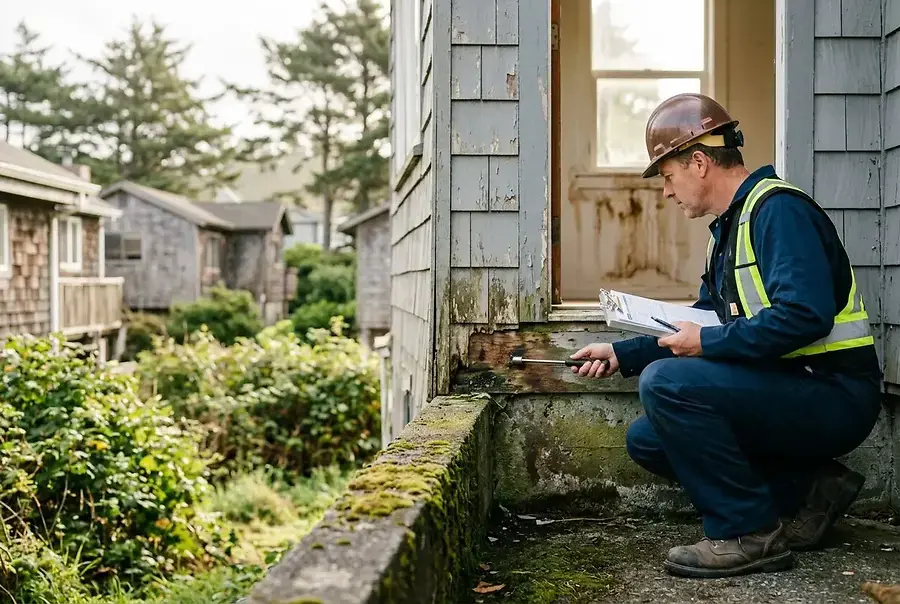
Why Home Inspections Matter in Arcata's Real Estate Market
Purchasing a home is one of the most significant financial decisions you'll make in your lifetime. In Arcata's competitive real estate market, a thorough home inspection serves as your safeguard against costly surprises and hidden defects. A professional inspection provides an objective assessment of a property's condition, giving you the knowledge needed to make informed decisions and negotiate effectively.
Arcata's unique coastal climate and architectural diversity mean that properties face specific challenges—from moisture intrusion and salt air corrosion to foundation issues common in older homes. An experienced inspector familiar with local building practices and environmental factors can identify problems that untrained eyes might miss. This investment in a professional inspection typically costs between $300 and $500 but can save you thousands in unexpected repairs.
The inspection process is your opportunity to understand exactly what you're buying. Rather than discovering problems after closing, you'll have detailed documentation of the property's current state, allowing you to make confident decisions before committing your money.
Key Areas Inspectors Evaluate: Foundation, Structural, and Moisture Concerns
Foundation and Structural Integrity
The foundation is the literal and financial foundation of your home. Inspectors examine foundations for cracks, settling, water damage, and signs of movement. In Arcata, where soil composition and moisture levels vary, foundation issues can develop over time. Look for horizontal cracks, bowing walls, or uneven floors—these indicate serious structural problems that require professional assessment.
Structural elements including beams, joists, and load-bearing walls are evaluated for damage, rot, and proper support. Inspectors check attics and crawl spaces where structural damage often becomes visible first. Any signs of sagging, warping, or deterioration should be taken seriously.
Moisture and Water Intrusion
Arcata's coastal location means moisture is a constant concern. Inspectors look for:
- Water stains on ceilings and walls
- Mold or mildew growth
- Damaged or missing caulking around windows and doors
- Roof leaks and compromised flashing
- Poor drainage around the foundation
- Basement or crawl space flooding history
Moisture problems are particularly serious because they can lead to mold growth, structural rot, and expensive remediation. A property with active moisture issues should raise immediate red flags.
Roofing and Exterior Systems
The roof protects everything beneath it. Inspectors evaluate roof age, material condition, proper ventilation, and signs of leaks. They examine gutters, downspouts, siding, windows, and doors for weatherproofing integrity. In Arcata's climate, regular maintenance is essential to prevent water intrusion and extend the life of exterior systems.
Plumbing and Electrical Systems
Inspectors test water pressure, check for leaks, and assess the condition of pipes and fixtures. They verify that electrical systems are properly grounded, safely installed, and adequate for modern usage. Outdated systems may need upgrades to meet current safety standards.
HVAC and Appliances
Heating, ventilation, and air conditioning systems are tested for proper operation and efficiency. Inspectors note the age of major appliances and their expected remaining lifespan, helping you budget for future replacements.
Red Flags and Deal-Breakers: Common Issues Found in Arcata Homes
Termite and Pest Damage
Termites and wood-boring insects can cause extensive structural damage. A separate pest inspection is often recommended, particularly for older Arcata homes. Evidence of active infestation is a serious concern requiring immediate professional treatment.
Asbestos and Lead Paint
Homes built before the 1980s may contain asbestos in insulation, floor tiles, and roofing materials. Homes built before 1978 likely contain lead paint. While presence alone isn't necessarily a deal-breaker, you need to understand the risks and costs of proper remediation or encapsulation.
Outdated or Unsafe Electrical Systems
Knob-and-tube wiring or aluminum wiring in older homes poses fire hazards and may not meet current safety codes. Upgrading electrical systems can be expensive, so understanding the scope of work needed is crucial for your decision-making.
Septic System Issues
If the property uses a septic system rather than municipal sewer, the inspector evaluates its condition and functionality. Failing septic systems are expensive to replace and can indicate broader environmental concerns.
Significant Deferred Maintenance
Properties showing signs of neglect—peeling paint, rotting wood, broken fixtures, overgrown landscaping—often hide more serious problems. Deferred maintenance suggests the owner hasn't invested in proper upkeep, and you may inherit costly repairs.
Taking Action: How to Use Inspection Reports to Negotiate and Make Informed Decisions
Understanding Your Inspection Report
A comprehensive inspection report details findings by category, severity, and recommended actions. Reports typically categorize issues as immediate concerns, important repairs, or maintenance recommendations. Take time to understand each finding and ask your inspector to clarify anything unclear.
Negotiation Strategies
Armed with inspection findings, you have several options:
- Request repairs: Ask the seller to fix significant issues before closing
- Request credits: Negotiate a price reduction to cover repair costs yourself
- Walk away: If issues are too extensive or costly, you can terminate the purchase
- Accept as-is: For minor issues, you may choose to proceed without modifications
The strength of your negotiating position depends on market conditions, the severity of issues, and the property's overall value. In Arcata's market, significant structural or moisture problems typically warrant serious negotiation.
Getting Second Opinions
For major issues identified in the inspection, consider hiring specialists. A structural engineer can assess foundation concerns, a mold specialist can evaluate moisture problems, and a pest control expert can confirm termite damage. These specialist reports provide detailed information for negotiation and decision-making.
Making Your Final Decision
The inspection report is your roadmap to an informed decision. Compare the cost of identified repairs against the property's value and your budget. Consider not just immediate repairs but the property's long-term maintenance needs. A home with minor cosmetic issues might be an excellent investment, while one with structural or moisture problems could become a financial burden.
Remember that no home is perfect, but understanding exactly what you're buying empowers you to make decisions aligned with your financial situation and risk tolerance. A thorough home inspection in Arcata isn't just a formality—it's your essential protection in one of life's biggest purchases.