Understanding the Home Appraisal Process in Ashburn
A home appraisal is an independent assessment of your property's market value, conducted by a licensed appraiser. In Ashburn, this process is crucial for both buyers and sellers, as it determines the fair market value of your home and influences financing decisions. Understanding how this process works can help you prepare effectively and avoid surprises during your sale.
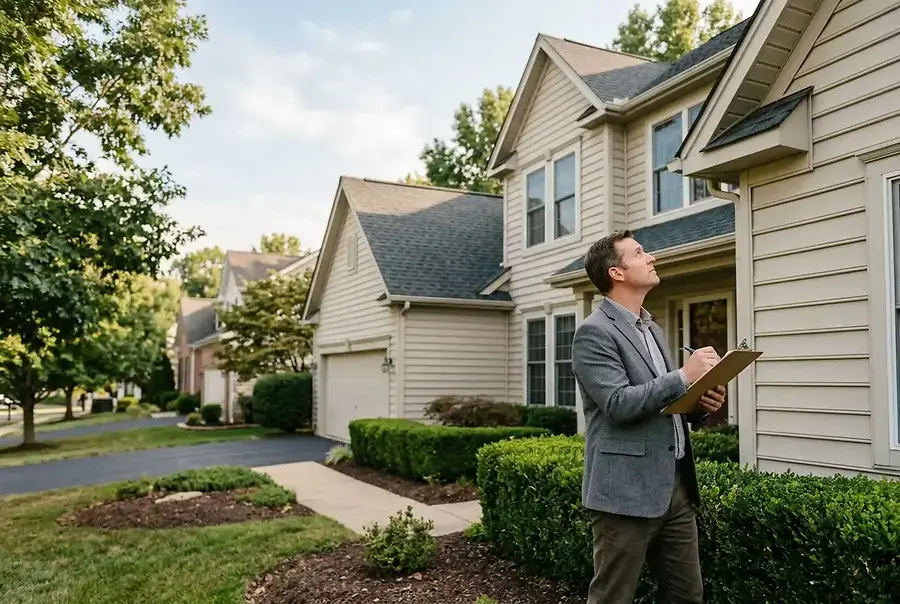
The appraisal typically begins with a thorough inspection of your property, both inside and out. The appraiser examines structural integrity, roof condition, HVAC systems, plumbing, electrical systems, and overall maintenance. They also assess the property's location, lot size, and proximity to amenities. This comprehensive evaluation usually takes 1-2 hours, though the final report may take several days to complete.
What Appraisers Look For
Professional appraisers follow standardized methods to evaluate properties. They compare your home to recently sold comparable properties in the Ashburn area, adjusting for differences in size, condition, age, and features. This comparative market analysis forms the foundation of the appraisal value. Appraisers also consider current market trends, interest rates, and local economic conditions that affect property values.
Factors That Impact Your Property's Appraised Value
Location and Neighborhood Characteristics
Your home's location is one of the most significant factors affecting its appraised value. Properties in desirable Ashburn neighborhoods with good schools, low crime rates, and convenient access to shopping and employment centers typically command higher values. Proximity to parks, public transportation, and major highways also influences appraisal outcomes.
Property Condition and Maintenance
The overall condition of your home directly impacts its appraised value. Appraisers note any deferred maintenance, needed repairs, or outdated systems. Recent upgrades to kitchens, bathrooms, roofing, and HVAC systems can positively influence the appraisal. However, cosmetic improvements alone won't significantly boost value if structural or mechanical issues exist.
Home Features and Improvements
- Square footage: Larger homes typically appraise for higher values, though quality matters more than quantity
- Number of bedrooms and bathrooms: Additional bedrooms and bathrooms increase property value
- Garage space: Two or three-car garages are valued higher than single-car or no garage
- Outdoor amenities: Decks, patios, pools, and landscaping add value
- Energy efficiency: Modern insulation, windows, and HVAC systems appeal to appraisers
- Smart home features: Updated technology and automation systems can boost value
Comparable Sales and Market Trends
Appraisers rely heavily on recent sales of similar properties in your area. If comparable homes have sold for strong prices, your appraisal will likely reflect this positive trend. Conversely, if the market is softening, appraisals may be lower. Understanding recent sales in your neighborhood helps you anticipate your appraisal range.
Preparing Your Home for a Successful Appraisal
Pre-Appraisal Inspection and Repairs
Before the appraiser arrives, conduct a thorough inspection of your home. Address any obvious issues such as broken windows, damaged siding, or roof problems. Fix leaky faucets, repair drywall damage, and ensure all doors and windows operate smoothly. These repairs demonstrate that your home is well-maintained and can positively influence the appraisal.
Curb Appeal and Exterior Presentation
First impressions matter. Ensure your landscaping is neat and well-maintained, with trimmed bushes and healthy grass. Paint the front door if it's worn, clean the exterior, and ensure the driveway is in good condition. A well-maintained exterior suggests the interior is equally cared for, which can favorably influence the appraiser's perception.
Interior Preparation
Clean your home thoroughly before the appraisal. A clean, organized home allows the appraiser to easily assess the property's condition. Ensure adequate lighting throughout the home, as dark spaces can negatively impact the appraisal. Remove personal clutter and excessive decorations that might distract from the home's features.
Documentation and Improvements
Prepare documentation of any recent improvements or upgrades. Keep receipts and permits for renovations, new appliances, roof replacements, or HVAC installations. Provide the appraiser with information about energy-efficient upgrades, updated electrical systems, or structural improvements. This documentation helps justify higher appraised values.
Accessibility During the Appraisal
Ensure the appraiser has full access to all areas of your home, including the attic, basement, and crawl spaces. Provide access to utility areas and ensure outdoor spaces are accessible. Being cooperative and helpful creates a positive impression and allows the appraiser to conduct a thorough evaluation.
Negotiating Appraisal Results and Protecting Your Sale
Understanding Appraisal Disputes
If the appraisal comes in lower than expected, you have options. Request a copy of the appraisal report and review it carefully for errors or inaccuracies. Common mistakes include incorrect square footage, missing rooms, or inaccurate comparable sales. If you identify errors, contact the appraiser to request a reconsideration.
Requesting a Reconsideration of Value
If the appraisal is low, you can request a reconsideration of value (ROV) from the appraiser. Provide additional comparable sales data, documentation of recent improvements, or evidence of errors in the original appraisal. Present this information professionally and objectively. Many appraisers will adjust their valuation if presented with compelling evidence.
Working with Your Real Estate Agent
Your real estate agent can be invaluable in addressing appraisal issues. They have access to market data and can provide comparable sales information to support a higher valuation. They can also communicate with the appraiser or lender on your behalf and help negotiate if the appraisal affects the sale terms.
Protecting Your Sale Agreement
Include appraisal contingencies in your sale agreement. This protects you if the appraisal comes in significantly lower than the agreed purchase price. Discuss with your real estate agent whether to include an appraisal contingency and what terms best protect your interests. Understanding your options before issues arise helps you make informed decisions.
Moving Forward
If an appraisal issue arises, remain calm and professional. Work collaboratively with the buyer, appraiser, and your agent to find solutions. Sometimes a modest price adjustment or additional repairs can resolve disputes. Focus on reaching a fair agreement that satisfies all parties and allows your sale to proceed smoothly.
By understanding the appraisal process and taking proactive steps to prepare your home, you can maximize your property's appraised value and protect your sale in the competitive Ashburn real estate market.