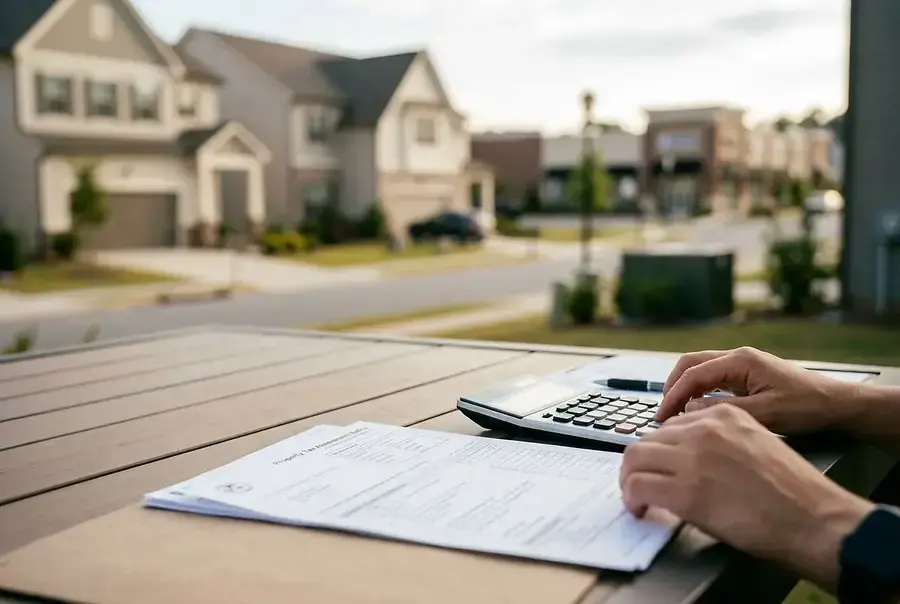
Understanding Atlanta's Property Tax System: How Assessments Work for Residential and Commercial Properties
Property taxes are a significant expense for homeowners and business owners in Atlanta, yet many property owners don't fully understand how their tax bills are calculated. The Atlanta property tax system is administered by the Fulton County Tax Assessor's Office and operates on a straightforward principle: your property tax obligation is determined by multiplying your property's assessed value by the applicable tax rate.
For residential properties, the assessment process begins with the county assessor evaluating your home's market value based on recent comparable sales, property characteristics, and location factors. Commercial properties follow a similar process but may involve additional considerations such as income-generating potential and lease agreements. Both residential and commercial property owners should understand that assessments are typically updated annually, though the frequency and methodology may vary.
The Assessment Process
The Fulton County Tax Assessor's Office conducts property assessments using a combination of automated valuation models and manual reviews. Assessors examine factors such as square footage, age, condition, improvements, and recent sales data for comparable properties. For commercial properties, income and expense information may also be considered to determine fair market value.
Once your property is assessed, you'll receive a notice of assessment. This is your opportunity to review the valuation and determine if it accurately reflects your property's true market value. Many property owners overlook this critical step, missing the chance to challenge inaccurate assessments.
Key Factors That Influence Your Property Tax Bill in Atlanta
Several factors directly impact the amount of property tax you'll owe in Atlanta. Understanding these elements can help you anticipate your tax obligations and identify areas where you might reduce your burden.
Property Assessment Value
The assessed value is the foundation of your property tax calculation. This value is determined by the county assessor and should reflect your property's fair market value. However, assessments can sometimes be inaccurate due to:
- Outdated property information in the assessor's database
- Failure to account for property damage or deterioration
- Incorrect square footage or lot size measurements
- Overvaluation compared to recent comparable sales
Tax Rate and Millage
Your property tax rate, expressed as a millage rate, is set by local government entities and varies depending on your property's location within Atlanta and surrounding areas. Different jurisdictions—such as the city of Atlanta, school districts, and county services—each levy their own millage rates, which are combined to create your total tax rate.
Property Classification
Atlanta classifies properties into different categories, including residential, commercial, industrial, and agricultural. Each classification may have different assessment ratios and tax rates. Residential properties typically receive more favorable assessment treatment than commercial properties, which are often assessed at a higher percentage of market value.
Exemptions and Abatements
Certain property owners may qualify for tax exemptions or abatements that reduce their tax obligations. These include homestead exemptions for primary residences, exemptions for senior citizens and disabled individuals, and various commercial incentives for business development and revitalization projects.
Strategies to Review, Challenge, and Reduce Your Property Tax Burden
Taking an active role in managing your property taxes can result in significant savings. Here are proven strategies to help you reduce your tax obligations:
Review Your Assessment Notice Carefully
When you receive your assessment notice, examine every detail. Verify that:
- Your property address and legal description are correct
- The square footage matches your actual home or building size
- The property characteristics (age, condition, improvements) are accurately described
- The assessed value is comparable to similar properties in your area
If you notice discrepancies, document them with photos, blueprints, or other evidence.
File a Formal Appeal
If you believe your assessment is inaccurate, you have the right to appeal. The Fulton County Board of Assessors accepts appeals during a specific window each year. To strengthen your appeal, gather:
- Recent appraisals or professional valuations
- Comparable sales data for similar properties
- Documentation of property defects or needed repairs
- Evidence of market conditions affecting property values
Professional appraisers or tax consultants can help you build a compelling case for a lower assessment.
Explore Available Exemptions
Don't leave money on the table by overlooking exemptions you may qualify for. Common exemptions include:
- Homestead Exemption: Available to primary homeowners, reducing assessed value by a set amount
- Senior Citizen Exemption: Additional relief for property owners age 65 and older
- Disabled Veteran Exemption: Special consideration for qualifying veterans
- Agricultural Exemption: For properties used in agricultural production
- Commercial Development Incentives: Tax abatements for qualifying business investments
Monitor Property Changes
Keep the assessor's office informed of significant changes to your property. If you've made major repairs, renovations, or improvements, the assessor should know. Conversely, if your property has deteriorated or suffered damage, report this to potentially lower your assessment. Proactive communication can prevent inflated assessments based on outdated information.
Consider Professional Assistance
For commercial properties or complex residential situations, hiring a property tax consultant or attorney may be worthwhile. These professionals understand the nuances of Atlanta's tax system and can identify reduction opportunities you might miss on your own.
Conclusion: Taking Control of Your Property Tax Costs
Property taxes are a substantial ongoing expense, but they're not necessarily fixed in stone. By understanding how Atlanta's property tax system works, staying informed about your assessment, and taking advantage of available strategies, you can ensure you're paying a fair amount on your residential or commercial property.
The key is to remain vigilant and proactive. Review your assessment notices, challenge inaccuracies when warranted, explore exemptions, and seek professional guidance when needed. Taking control of your property tax costs today can result in meaningful savings for years to come.