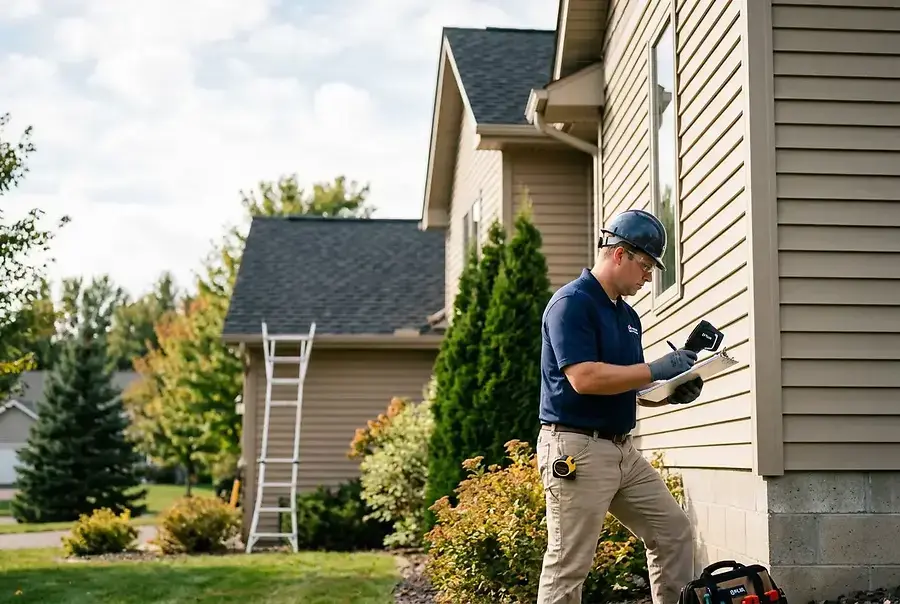
Understanding the Home Inspection Process in Aurora, MN
A home inspection is a comprehensive evaluation of a property's physical condition, performed by a licensed professional inspector. In Aurora, MN, this process is essential for both buyers and investors looking to make informed decisions about their real estate investments. The inspection typically takes two to three hours and covers all accessible areas of the property, from the foundation to the roof.
During the inspection, the professional will document their findings in a detailed report that outlines the property's strengths and weaknesses. This report becomes a crucial tool for negotiating repairs, requesting credits, or making the final decision to proceed with the purchase. Understanding what inspectors look for helps you prepare for the process and ask the right questions.
What to Expect During Your Inspection
The inspector will arrive with specialized tools and equipment to assess various systems and components. They'll examine structural integrity, electrical systems, plumbing, HVAC systems, and more. You're typically welcome to walk through the property with the inspector, which provides an excellent opportunity to learn about the home's condition firsthand and ask questions about maintenance and repairs.
Critical Areas Inspectors Evaluate for Residential Properties
Foundation and Structural Components
The foundation is the backbone of any home. Inspectors look for cracks, settling, water damage, and signs of structural movement. In Aurora's climate, frost heave and soil expansion can affect foundations, making this assessment particularly important. Any significant structural issues can be costly to repair and may affect the property's value and safety.
Roofing and Exterior
The roof protects your entire investment. Inspectors evaluate:
- Shingle condition and age
- Flashing integrity around chimneys and vents
- Gutters and downspouts
- Siding and exterior walls for damage or deterioration
- Windows and doors for proper sealing
A roof nearing the end of its lifespan may require replacement soon, which is an expensive undertaking that should factor into your investment decision.
Electrical Systems
Inspectors examine the electrical panel, wiring, outlets, and switches to ensure they meet current safety standards. They look for outdated systems, improper grounding, and potential fire hazards. Older homes in Aurora may have aluminum wiring or insufficient capacity for modern electrical demands, which could require upgrades.
Plumbing and Water Systems
Water damage is one of the most common and costly issues in residential properties. Inspectors check:
- Water pressure and flow
- Pipe material and condition
- Presence of leaks or water stains
- Water heater functionality and age
- Drainage systems and sump pumps
Corroded pipes, outdated materials, or signs of previous water damage can indicate future problems and maintenance costs.
HVAC Systems
Heating, ventilation, and air conditioning systems are vital for comfort and health. Inspectors assess the age, condition, and efficiency of furnaces, air conditioners, and ventilation systems. They'll note whether systems are functioning properly and estimate remaining lifespan.
Interior Conditions
The inspector evaluates interior walls, ceilings, floors, and insulation. They look for signs of water damage, mold, pest infestation, and structural issues. Proper insulation is crucial for energy efficiency, especially in Minnesota's cold climate.
Commercial Property Inspection Requirements and Red Flags
Unique Commercial Considerations
Commercial property inspections are more complex than residential evaluations. Inspectors assess larger mechanical systems, commercial-grade HVAC units, and specialized equipment. They also evaluate the property's compliance with commercial building codes and accessibility standards.
Common Red Flags in Commercial Properties
Environmental concerns are particularly important in commercial inspections. Inspectors look for asbestos, lead paint, mold, and contamination from previous business operations. These issues can be extremely costly to remediate and may affect the property's usability.
Additional red flags include:
- Deferred maintenance on major systems
- Roof leaks or structural damage
- Outdated electrical or plumbing infrastructure
- HVAC systems nearing end of life
- Accessibility violations
- Fire safety code violations
- Parking lot or foundation deterioration
Commercial properties often require specialized inspections for specific systems or environmental concerns, which may add to the overall inspection cost but provide crucial protection for your investment.
Taking Action: Next Steps After Your Inspection Report
Reviewing Your Report
Once you receive the inspection report, take time to review it thoroughly. The inspector should categorize findings by severity—from minor maintenance items to major concerns requiring immediate attention. Don't hesitate to contact the inspector with questions about specific findings or recommendations.
Prioritizing Issues
Not every finding requires immediate action. Prioritize issues based on safety, functionality, and cost. Safety concerns like electrical hazards or structural problems should be addressed immediately. Functional issues affecting daily use come next, followed by cosmetic or maintenance items.
Negotiating with Sellers
Use the inspection report as a negotiating tool. You can request that sellers make repairs, provide credits for repairs you'll handle yourself, or adjust the purchase price to account for necessary work. Be reasonable in your requests—focus on significant issues rather than minor cosmetic concerns.
Planning Your Investment Strategy
For investors, the inspection report helps determine the property's true condition and renovation costs. Factor these expenses into your investment analysis to ensure the property meets your financial goals. Consider getting specialized quotes from contractors for major repairs before finalizing your offer.
Ongoing Maintenance
After purchase, use the inspection report as a maintenance guide. Address recommended repairs promptly to prevent small issues from becoming major problems. Regular maintenance protects your investment and maintains property value over time.
A professional home inspection is one of the most important steps in any real estate transaction. Whether you're a first-time homebuyer or an experienced investor in Aurora, MN, understanding what inspectors evaluate and how to act on their findings ensures you make informed decisions and protect your property investment for years to come.