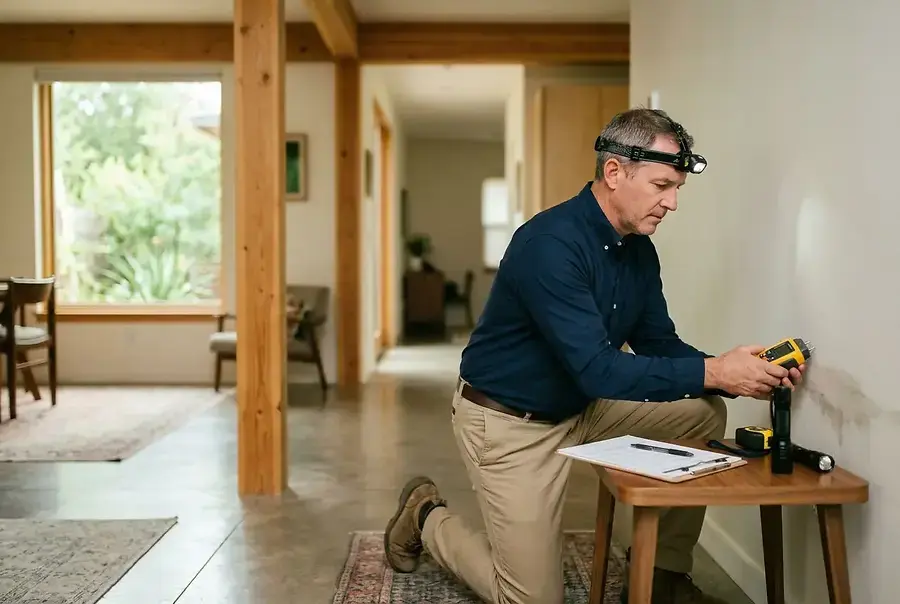
Why Home Inspections Matter in Austin's Competitive Market
In Austin's fast-paced real estate market, home inspections serve as your critical safeguard against costly surprises after closing. With properties moving quickly and competition fierce, many buyers feel pressured to skip inspections or overlook red flags. However, a thorough inspection is one of the most important investments you can make when purchasing a home.
Austin's unique climate and construction styles present specific challenges that inspectors must evaluate. From the intense summer heat affecting HVAC systems to the expansive clay soil causing foundation issues, understanding what inspectors look for helps you make informed decisions. An inspection report provides detailed documentation of a property's condition, giving you leverage to negotiate repairs or price adjustments before you're locked into the purchase.
What Professional Inspectors Examine in Austin Homes
Structural Components and Foundation
Austin's clay-heavy soil is notorious for causing foundation problems. Professional inspectors carefully examine foundation cracks, settling, and signs of water damage. They look for:
- Visible cracks in concrete slabs or pier-and-beam foundations
- Uneven floors or doors that don't close properly
- Water stains indicating previous flooding or moisture issues
- Evidence of previous foundation repairs or underpinning
Roofing and Exterior
Austin's intense sun and occasional severe weather make roof inspection essential. Inspectors evaluate:
- Roof age and remaining lifespan
- Missing, cracked, or curling shingles
- Proper flashing around chimneys and vents
- Gutters and drainage systems
- Exterior siding, paint, and weatherproofing
HVAC Systems
With Austin summers reaching extreme temperatures, a functioning HVAC system is non-negotiable. Inspectors assess:
- Age and condition of air conditioning units
- Heating system functionality
- Proper refrigerant levels and ductwork
- Thermostat operation and efficiency
Plumbing and Water Systems
Water quality and plumbing integrity directly impact your home's livability. Professional inspectors check:
- Water pressure and flow rates
- Pipe material and condition (galvanized, copper, PEX)
- Signs of leaks or water damage
- Water heater age and functionality
- Septic systems or municipal water connections
Electrical Systems
Electrical safety is paramount. Inspectors examine:
- Panel capacity and condition
- Proper grounding and bonding
- Outlet and switch functionality
- Signs of outdated or hazardous wiring
- GFCI protection in wet areas
Interior and Appliances
Beyond structural elements, inspectors evaluate interior conditions including:
- Walls, ceilings, and flooring for damage or settling
- Windows and doors operation
- Appliance functionality and age
- Insulation and ventilation
- Signs of pest infestation or mold
How to Review Your Inspection Report and Negotiate Repairs
Understanding the Report Structure
Professional inspection reports typically organize findings by system or area. Reports use standardized terminology to classify issues:
- Critical Issues: Safety hazards requiring immediate attention
- Major Concerns: Significant problems affecting home value or functionality
- Minor Issues: Cosmetic or small maintenance items
- Recommendations: Suggested improvements or further evaluation
Prioritizing Findings
Not every inspection finding requires negotiation. Focus on issues that affect safety, structural integrity, or major systems. Critical items like electrical hazards, foundation problems, or non-functioning HVAC systems should be your priority. Minor cosmetic issues or routine maintenance can often be handled after closing.
Negotiation Strategies
Once you've reviewed the report, you have several options:
- Request seller repairs: Ask the seller to fix critical issues before closing
- Request credits: Negotiate a price reduction to cover repair costs yourself
- Request inspections: Ask for specialized inspections on specific systems (foundation, HVAC, plumbing)
- Walk away: If issues are too severe, you may have grounds to terminate the contract
When negotiating, obtain repair estimates from licensed contractors. This documentation strengthens your negotiating position and ensures you're requesting reasonable adjustments. Be prepared to compromise—sellers may not agree to fix every minor issue, but critical safety concerns are typically negotiable.
Working with Your Real Estate Agent
Your real estate agent can provide valuable guidance on local market conditions and typical negotiation outcomes. They understand what issues are common in Austin properties and can advise on reasonable repair requests. Don't hesitate to ask questions or request clarification on inspection findings.
Making Informed Decisions with Inspection Results
A comprehensive home inspection empowers you to make confident purchasing decisions. Use inspection results not as a reason to panic, but as a roadmap for understanding your investment. Every home has some issues—the key is identifying which ones matter most to you and your family.
Remember that an inspection is a snapshot of the home's condition at one point in time. Some issues may be easily remedied, while others might indicate larger concerns requiring professional evaluation. Trust your inspector's expertise, ask questions, and don't rush the negotiation process.
By understanding what inspectors examine and how to evaluate their findings, you're taking control of your home-buying journey in Austin's competitive market. This knowledge protects your investment and ensures you're making informed decisions every step of the way.
