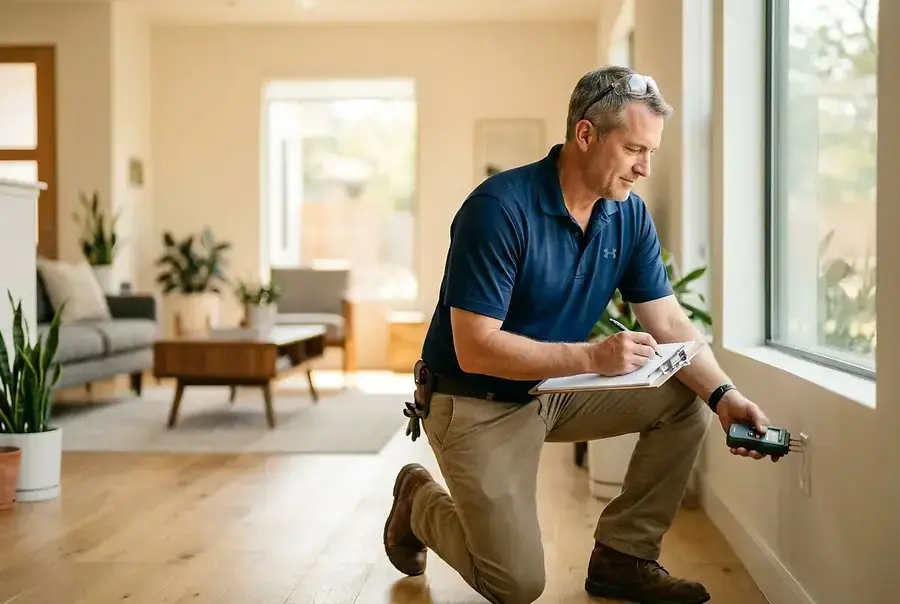
Why Home Inspections Matter in Austin's Competitive Market
Austin's real estate market moves at lightning speed. Homes sell quickly, bidding wars are common, and buyers often feel pressured to make fast decisions. In this high-pressure environment, a professional home inspection is your most valuable tool for protecting your investment.
A thorough home inspection provides an independent, objective assessment of a property's condition before you commit to the purchase. It reveals hidden problems that could cost thousands to repair and gives you the leverage to negotiate better terms or walk away from a bad deal. In Austin's competitive market, this knowledge is power.
Why Austin homes need special attention: Austin's unique climate, with hot summers and occasional freeze-thaw cycles, creates specific wear patterns on homes. Additionally, the city's rapid growth has led to a mix of older historic homes and newer construction, each with distinct inspection considerations.
What to Expect During a Professional Home Inspection
The Inspection Timeline
A typical home inspection takes 2-3 hours, depending on the property's size and age. The inspector will systematically examine every major system and component of the home, creating a detailed written report.
Key Areas Inspectors Examine
- Structural components: Foundation, walls, roof framing, and overall structural integrity
- Roofing system: Condition, age, and remaining lifespan of the roof
- Exterior: Siding, windows, doors, gutters, and drainage systems
- Plumbing: Water supply lines, drainage, fixtures, and water heater
- Electrical system: Panel, wiring, outlets, and safety features
- HVAC: Heating, cooling, and ventilation systems
- Interior: Walls, ceilings, floors, insulation, and ventilation
- Appliances: Functionality of included appliances
What You Should Do During the Inspection
Attend the inspection if possible. Walk through with the inspector, ask questions, and take notes. This hands-on approach helps you understand the property's condition and builds your knowledge for future negotiations. Don't be shy—professional inspectors expect and welcome buyer questions.
Common Issues Found in Austin Homes and How to Address Them
Foundation Problems
Austin's clay-heavy soil expands and contracts with moisture changes, making foundation issues common. Look for cracks in the foundation, uneven floors, or doors that don't close properly. Action: Request a foundation specialist's evaluation if concerns arise. Minor cracks may be cosmetic, but significant issues require professional assessment and potential repair estimates.
Roof Damage and Age
The intense Texas sun ages roofing materials quickly. Inspectors will note the roof's age and condition. Action: If the roof is nearing the end of its lifespan (typically 15-20 years), negotiate for a replacement or credit toward repairs.
Water Intrusion and Moisture Issues
Poor drainage, leaking windows, or inadequate grading can lead to water damage and mold. These issues are particularly concerning in Austin's occasional heavy rain events. Action: Request detailed documentation of any water stains or moisture issues and obtain repair estimates from qualified contractors.
HVAC System Concerns
Air conditioning systems work overtime in Austin summers. An aging or inefficient HVAC system can be costly to replace. Action: Ask for maintenance records and consider requesting a professional HVAC evaluation if the system is older than 10-12 years.
Outdated Electrical Systems
Older Austin homes may have outdated wiring or insufficient electrical capacity for modern needs. Action: If the inspector notes concerns, request an electrician's evaluation and budget for potential upgrades.
Plumbing Issues
Older homes may have corroded pipes or outdated plumbing materials. Action: Request information about pipe materials and age. If replacement is needed, obtain contractor estimates for negotiation purposes.
Pest and Termite Damage
Austin's warm climate attracts termites and other pests. Action: The inspection report may recommend a separate termite inspection. Take this seriously and budget for any necessary treatments or repairs.
Using Inspection Results to Negotiate and Protect Your Purchase
Understanding Your Report
The inspection report categorizes issues by severity. Major defects affect safety or structural integrity. Minor issues are cosmetic or low-priority. Use this categorization to prioritize your concerns and negotiations.
Negotiation Strategies
You have several options after receiving the inspection report:
- Request repairs: Ask the seller to fix major issues before closing
- Request credits: Negotiate a credit toward closing costs to handle repairs yourself
- Request price reduction: Lower the purchase price to account for repair costs
- Walk away: If issues are too significant, you may have grounds to terminate the contract
Be strategic in your negotiations. Focus on major issues that affect safety, functionality, or long-term value. Don't nickel-and-dime over minor cosmetic issues.
Protecting Your Investment
A home inspection is just the beginning. Consider these additional protections:
- Request a separate termite inspection
- Have a professional evaluate any systems of concern
- Obtain repair estimates for negotiation leverage
- Review the seller's disclosure documents carefully
- Understand your home warranty options
Conclusion
In Austin's competitive real estate market, a professional home inspection is not optional—it's essential. This critical step protects your investment, reveals hidden problems, and gives you the information needed to make confident decisions and negotiate effectively.
By understanding what inspectors look for, recognizing common Austin-specific issues, and knowing how to use inspection results strategically, you position yourself as a smart, informed buyer. Don't let the pressure of a competitive market rush you through this vital process. Your future self will thank you for the diligence you invest today.