Understanding the Appraisal Process in Bellingham
When you decide to sell your home in Bellingham, one of the most critical steps in the process is the appraisal. An appraisal is an independent, professional assessment of your property's fair market value. Unlike a Comparative Market Analysis (CMA) provided by your real estate agent, an appraisal is an official valuation that lenders rely on to determine how much they'll finance for a buyer.
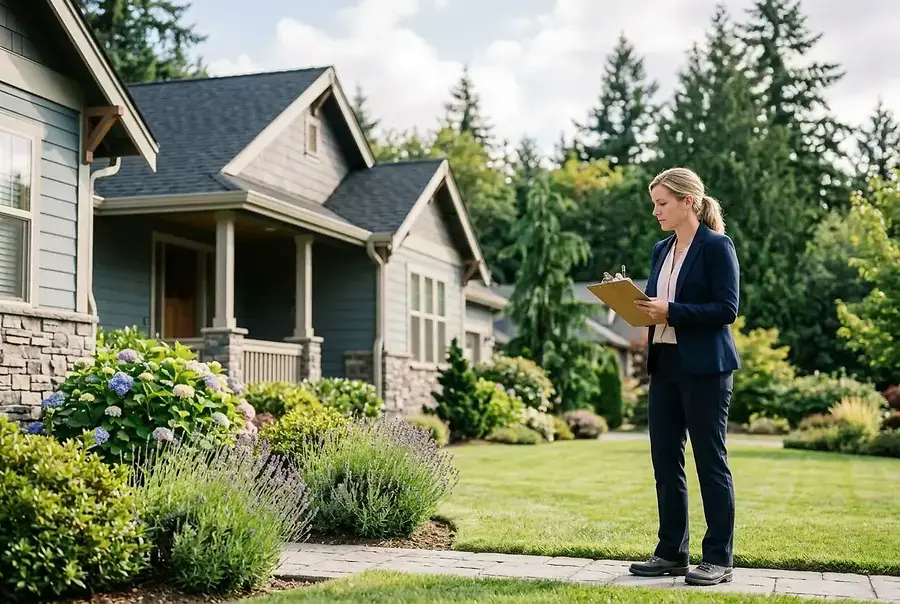
In Bellingham's dynamic real estate market, understanding how appraisals work is essential for sellers. The appraisal process typically involves a licensed appraiser visiting your property to conduct a thorough inspection. They'll examine both the interior and exterior of your home, take measurements, photograph key features, and research comparable sales in your neighborhood.
The Role of Licensed Appraisers
Licensed appraisers in Bellingham are trained professionals who follow strict guidelines set by the Appraisal Standards Board. They use three primary approaches to determine value: the sales comparison approach (comparing your home to similar properties), the cost approach (calculating replacement cost), and the income approach (if applicable). Most residential appraisals rely heavily on the sales comparison method.
The appraiser's report becomes a crucial document in your sale. If the appraisal comes in lower than your listing price, it can create complications with the buyer's financing and may require renegotiation.
Factors That Impact Your Home's Appraised Value
Location and Neighborhood Characteristics
In Bellingham, location is paramount. Properties near downtown, waterfront areas, or highly desirable neighborhoods typically command higher appraisals. Appraisers consider:
- Proximity to schools, parks, and shopping centers
- Neighborhood crime rates and safety
- Quality of local schools
- Community amenities and recreational opportunities
- Future development plans in the area
Property Condition and Age
The physical condition of your home significantly impacts its appraised value. Appraisers assess:
- Structural integrity – Foundation, framing, and overall stability
- Roof condition – Age and remaining lifespan
- HVAC systems – Heating and cooling efficiency
- Plumbing and electrical – Safety and functionality
- Interior finishes – Flooring, paint, fixtures, and appliances
- Deferred maintenance – Any needed repairs or updates
Homes with recent renovations and well-maintained systems typically receive higher appraisals than properties requiring significant work.
Square Footage and Layout
The size of your home, measured in finished square footage, directly influences its value. Appraisers also consider the functional layout – homes with efficient floor plans and desirable features like open-concept living spaces tend to appraise higher than those with outdated configurations.
Comparable Sales Data
Appraisers analyze recent sales of similar properties in Bellingham to establish a baseline for your home's value. They look for homes with comparable:
- Square footage
- Number of bedrooms and bathrooms
- Age and condition
- Location and neighborhood
- Special features (pools, garages, decks)
In Bellingham's competitive market, having strong comparable sales in your favor can positively impact your appraisal.
Preparing Your Property for a Successful Appraisal
Make Critical Repairs Before Appraisal
Address any obvious issues that could negatively impact your appraisal. This includes:
- Fixing leaky roofs or gutters
- Repairing broken windows or damaged siding
- Correcting electrical or plumbing problems
- Replacing missing or damaged shingles
- Fixing cracked foundations or settling issues
Pro tip: You don't need to undertake major renovations, but addressing deferred maintenance is crucial. A $500 repair now could prevent a $5,000 appraisal reduction.
Enhance Curb Appeal
First impressions matter. The appraiser's initial assessment begins the moment they arrive at your property. Ensure your home's exterior is inviting:
- Maintain a well-manicured lawn and landscaping
- Paint the front door and trim if needed
- Clean windows and ensure they're in good condition
- Power wash the driveway and walkways
- Ensure proper lighting and visible house numbers
Declutter and Clean Thoroughly
A clean, organized home allows the appraiser to see your property's true potential. Remove personal clutter, organize closets, and ensure all rooms are accessible. While appraisers focus on the structure and systems rather than décor, a well-maintained appearance demonstrates that you've cared for your home.
Document Recent Improvements
Compile documentation of any recent upgrades or improvements you've made, such as:
- New roof, HVAC, or water heater installation
- Kitchen or bathroom remodels
- New flooring or paint
- Energy-efficient upgrades
- Structural repairs or additions
Provide receipts and warranties to the appraiser. These improvements can positively influence the appraisal value.
Provide Access and Information
Make sure the appraiser has complete access to all areas of your home, including the attic, basement, and crawl spaces. Be prepared to answer questions about your home's history, any renovations, and any issues you're aware of. Transparency is key – attempting to hide problems will only hurt your appraisal in the long run.
Conclusion: Maximizing Your Home's Appraisal Potential
In Bellingham's competitive real estate market, a strong appraisal is essential for a successful sale. By understanding how appraisals work, recognizing the factors that influence value, and taking proactive steps to prepare your property, you can maximize your home's appraised value.
Remember, the goal isn't to deceive or artificially inflate your home's value – it's to ensure that your property is presented in its best light and that the appraiser has all the information needed to make an accurate assessment. Start preparing your home early, address any obvious issues, and work closely with your real estate agent to understand the local market dynamics.
When you take these steps seriously, you're not just preparing for an appraisal – you're setting yourself up for a smoother, more successful home sale. Your investment in preparation now can pay dividends when it comes time to close the deal.