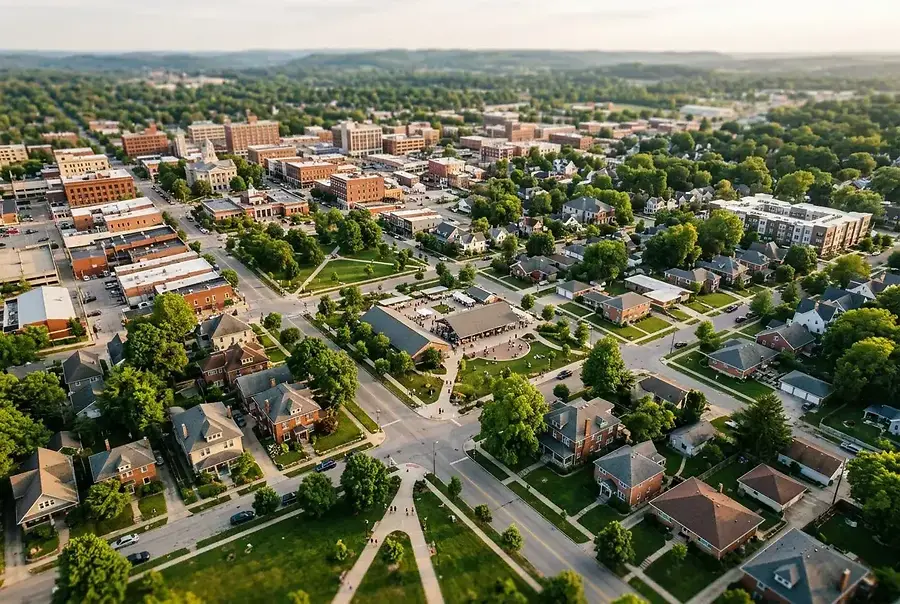
Understanding Bloomington's Diverse Neighborhoods and Their Characteristics
Bloomington offers a rich tapestry of neighborhoods, each with its own distinct personality and appeal. Whether you're a young professional seeking urban vibrancy, a growing family looking for suburban comfort, or a retiree wanting a peaceful retreat, Bloomington has something to offer everyone.
Downtown and Urban Core
The downtown area represents the heart of Bloomington's cultural and commercial activity. This neighborhood features walkable streets, historic architecture, and vibrant nightlife. Residents enjoy proximity to restaurants, galleries, theaters, and entertainment venues. The urban core attracts those who value convenience and cultural engagement over spacious yards.
Established Residential Districts
Neighborhoods like the Near North and Near South areas showcase tree-lined streets and well-maintained homes built primarily in the mid-20th century. These communities offer a balance between urban accessibility and residential tranquility. Many feature mature landscaping, diverse architecture styles, and strong neighborhood associations that foster community connection.
Suburban Expansion Areas
Newer developments on Bloomington's outskirts provide modern amenities and contemporary home designs. These neighborhoods appeal to families seeking newer construction, larger lots, and planned community features. They often include newer schools, shopping centers, and recreational facilities within close proximity.
Comparing Amenities, Schools, and Community Features Across Districts
Educational Opportunities
School quality significantly impacts neighborhood desirability and property values. Bloomington's school districts vary in their ratings and specializations:
- Central District Schools: Known for innovative programs and diverse student populations
- North Side Schools: Recognized for strong academic performance and advanced placement offerings
- South Side Schools: Feature excellent STEM programs and community partnerships
- West Side Schools: Emphasize arts integration and experiential learning
Recreation and Wellness
Access to parks, trails, and recreational facilities varies by neighborhood. Downtown areas offer cultural institutions and fitness centers, while suburban neighborhoods typically feature parks, playgrounds, and sports complexes. Many communities maintain walking trails, community gardens, and outdoor gathering spaces that enhance quality of life.
Shopping and Dining
Neighborhood character often reflects its retail and dining landscape. Downtown and established residential areas boast independent boutiques, local restaurants, and specialty shops. Suburban areas typically feature shopping centers and chain establishments offering convenience and variety. Consider your shopping preferences when evaluating neighborhoods.
Community Services and Infrastructure
Essential services like healthcare, libraries, and public transportation vary across districts. Central neighborhoods benefit from established infrastructure and multiple service providers, while developing areas are rapidly expanding their service offerings. Evaluate proximity to hospitals, clinics, and emergency services when making your decision.
Evaluating Property Values and Investment Potential by Area
Market Trends and Price Points
Bloomington's real estate market shows distinct patterns across neighborhoods. Downtown properties command premium prices due to walkability and cultural amenities, while established residential areas offer moderate pricing with stable appreciation. Suburban developments provide competitive entry points for first-time buyers and families.
"Location, condition, and market timing are critical factors in real estate investment success. Understanding neighborhood trends helps you identify opportunities aligned with your financial goals."
Appreciation Potential
Different neighborhoods offer varying investment returns:
- Revitalization Areas: Show strong appreciation as neighborhoods undergo renewal and infrastructure improvements
- Established Neighborhoods: Provide steady, predictable appreciation with lower volatility
- Growth Corridors: Offer significant upside potential as new development expands amenities and accessibility
Rental Market Considerations
If investment property appeals to you, consider rental demand by neighborhood. Downtown and near-university areas attract renters seeking walkability and urban convenience. Family-oriented neighborhoods appeal to long-term residential renters. Analyze vacancy rates, rental rates, and tenant demographics to assess investment viability.
Cost of Living Factors
Beyond property prices, evaluate property taxes, utility costs, and maintenance expenses across neighborhoods. Older homes may require more upkeep, while newer construction often includes energy-efficient features. Consider total cost of ownership, not just purchase price, when comparing neighborhoods.
Making Your Final Decision: Choosing the Right Bloomington Neighborhood
Assess Your Priorities
Create a list of must-haves versus nice-to-haves for your ideal neighborhood. Prioritize factors like school quality, commute time, walkability, property size, and community atmosphere. Understanding your non-negotiables helps narrow options and focus your search.
Visit and Experience Neighborhoods
Virtual research provides valuable information, but nothing replaces in-person exploration. Visit neighborhoods at different times—weekdays, weekends, mornings, and evenings—to experience authentic community life. Stop at local coffee shops, parks, and community events to get a genuine feel for each area.
Connect with Current Residents
Talk to people who live in neighborhoods you're considering. They offer insider perspectives on community strengths, challenges, and hidden gems. Neighborhood associations, social media groups, and local events provide opportunities to connect with residents and ask questions.
Work with Local Experts
Real estate agents familiar with Bloomington's neighborhoods provide invaluable guidance. They understand market dynamics, upcoming developments, and neighborhood trajectories. Choose an agent who knows the areas you're considering and can provide data-backed insights to support your decision.
Trust Your Instincts
After analyzing data and visiting neighborhoods, trust your gut feeling. The right neighborhood should feel like home. Consider where you can envision building memories, establishing roots, and achieving your long-term goals. Your emotional connection to a community matters as much as practical considerations.
Bloomington's diverse neighborhoods offer something for everyone. By understanding each area's characteristics, amenities, and investment potential, you can confidently choose a community that aligns with your lifestyle, budget, and aspirations. Take time with your decision—selecting the right neighborhood is one of life's most important choices.