Understanding the Boston Home Inspection Process
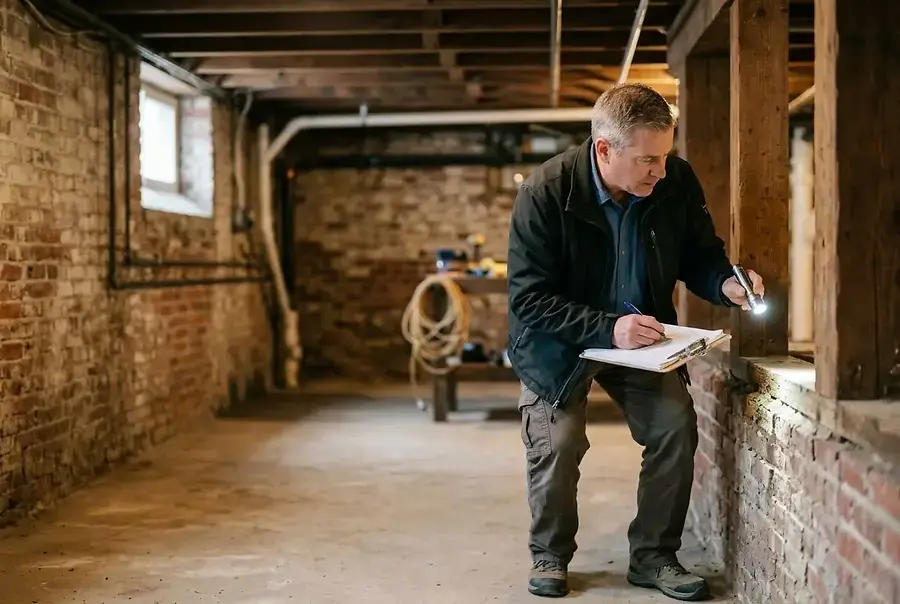
A home inspection is one of the most critical steps in the home-buying process, especially in Boston where properties range from historic brownstones to modern condominiums. This comprehensive evaluation typically takes two to three hours and involves a licensed inspector examining the home's major systems and components.
What Happens During an Inspection
During a standard Boston home inspection, the inspector will evaluate:
- Structural components - Foundation, walls, and roof integrity
- Electrical systems - Wiring, panels, and safety features
- Plumbing systems - Pipes, fixtures, and water pressure
- HVAC systems - Heating, cooling, and ventilation
- Exterior elements - Siding, windows, doors, and drainage
- Interior features - Walls, ceilings, floors, and appliances
As a buyer, you have the right to be present during the inspection. This is an excellent opportunity to ask questions and understand the property's condition firsthand. Many inspectors welcome buyer participation and will explain their findings as they work.
The Inspection Report
After completing the walkthrough, the inspector will provide a detailed report within 24-48 hours. This document includes photographs, descriptions of issues found, and severity ratings. Understanding this report is crucial for making informed decisions about your purchase.
Common Issues Found in Boston Properties and What They Mean
Boston's diverse housing stock, much of it built decades ago, presents unique inspection challenges. Knowing what issues are common can help you understand whether problems are typical wear-and-tear or serious concerns.
Age-Related Wear and Tear
Many Boston homes were built in the 1800s and early 1900s. Common age-related issues include:
- Outdated electrical systems - Knob-and-tube wiring or insufficient capacity for modern appliances
- Aging plumbing - Galvanized pipes that may corrode or cast iron pipes nearing the end of their lifespan
- Roof deterioration - Asphalt shingles typically last 15-20 years and may need replacement
- Foundation settling - Minor cracks are common in older homes but should be monitored
Climate-Related Concerns
Boston's harsh winters and humid summers create specific challenges. Inspectors commonly find:
- Water damage and moisture issues - Particularly in basements and crawl spaces
- Ice dam damage - Resulting from inadequate attic ventilation or insulation
- Exterior wood rot - From freeze-thaw cycles and moisture exposure
Understanding the Severity
Not all issues require immediate action. Cosmetic problems like minor paint peeling are low priority, while safety concerns such as faulty electrical wiring or structural damage demand attention. Functional issues like a failing HVAC system fall somewhere in between and should be addressed within a reasonable timeframe.
Red Flags That Could Affect Your Purchase Decision
While some issues are manageable, certain findings should give you serious pause about proceeding with the purchase.
Structural and Foundation Problems
Major structural issues are deal-breakers. Watch for:
- Large, actively growing cracks in the foundation
- Bowing or leaning walls
- Sagging floors or ceilings indicating structural failure
- Evidence of previous foundation repairs that appear inadequate
These problems are expensive to fix and can affect the home's insurability and resale value.
Serious Water Intrusion
Extensive water damage or active leaks suggest deeper problems. Mold growth, rotted wood framing, and compromised insulation can lead to health hazards and costly remediation. If you see evidence of water damage in multiple areas, consider having a specialized water intrusion assessment performed.
Hazardous Materials
Older Boston homes may contain:
- Asbestos - In insulation, floor tiles, and roofing materials
- Lead paint - A concern if you have young children
- Radon - A naturally occurring radioactive gas that accumulates in basements
These require specialized testing and professional remediation, adding significant costs to your purchase.
Failing Major Systems
If the roof, HVAC system, or electrical panel are near the end of their lifespan or showing signs of failure, budget $5,000-$25,000+ for replacements. Multiple failing systems simultaneously is a red flag that the home hasn't been well-maintained.
Taking Action: Negotiating Repairs and Next Steps
Once you receive the inspection report, you have several options for moving forward.
Request Repairs or Credits
Based on the inspection findings, you can ask the seller to:
- Make repairs before closing, with verification that work meets code
- Provide credits toward closing costs so you can hire contractors yourself
- Offer price reductions reflecting the cost of necessary repairs
Be strategic in your requests. Focus on significant issues that affect safety, functionality, or structural integrity. Sellers are more likely to negotiate on major concerns than cosmetic issues.
Obtain Specialist Inspections
If the general inspection reveals potential problems, consider hiring specialists:
- Structural engineer - For foundation or framing concerns
- Pest inspector - To check for termites or other infestations
- Radon tester - For basement contamination
- Mold inspector - If water damage is evident
These additional inspections cost $300-$800 each but provide expert assessment of specific concerns.
Make Your Final Decision
The inspection period is your opportunity to walk away from the deal if serious issues emerge. Most purchase agreements include an inspection contingency allowing you to terminate the contract if findings are unacceptable.
Weigh the inspection results against the property's price, location, and your long-term plans. A home with some issues at the right price may be a better investment than a perfect home that stretches your budget.
Moving Forward
Once you've negotiated repairs or credits and resolved your concerns, you're ready to move toward closing. Keep copies of the inspection report and any repair estimates for your records. These documents are valuable for future reference and insurance purposes.
Remember: A thorough home inspection is your best protection as a buyer. It provides the information you need to make a confident decision about one of the largest investments of your life.