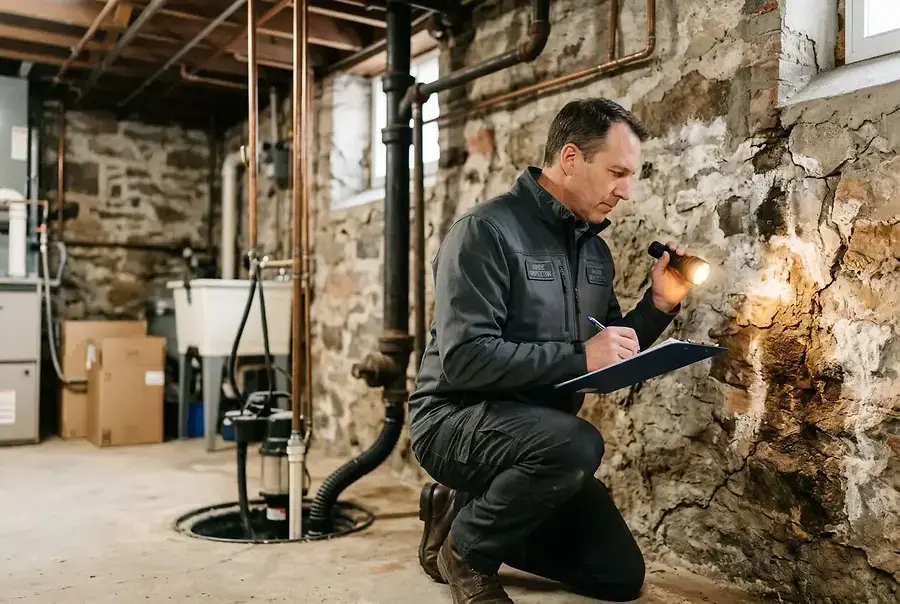
Why Home Inspections Matter in Boston
Purchasing a home in Boston is one of the most significant financial decisions you'll make. With the city's competitive real estate market and older housing stock, a thorough home inspection isn't just recommended—it's essential. A professional inspection can reveal hidden problems that could cost thousands to repair, giving you the leverage to negotiate repairs or adjust your offer price.
Boston's unique climate and aging infrastructure mean that properties face specific challenges that buyers in other regions might not encounter. From harsh winters to the prevalence of historic homes with outdated systems, understanding what to look for during an inspection can save you from costly surprises down the road.
Key Systems and Structural Elements to Evaluate
Roofing and Exterior
Boston's weather is unforgiving, making the roof one of the most critical components of your home. During inspection, ensure the inspector examines:
- Roof age and remaining lifespan
- Signs of leaks, missing shingles, or deterioration
- Proper drainage and gutter systems
- Flashing around chimneys and vents
The exterior should also be evaluated for water damage, foundation cracks, and proper grading that directs water away from the home.
Heating and Cooling Systems
In Boston, a reliable heating system isn't a luxury—it's a necessity. Have the inspector thoroughly evaluate:
- Age and condition of the furnace or boiler
- Efficiency ratings and fuel type
- Ductwork integrity and insulation
- Thermostat functionality
Many older Boston homes use oil heating systems, which require special attention. Ask about the condition of the oil tank and whether it's been properly maintained.
Plumbing and Water Systems
Water-related issues are among the most expensive to repair. Your inspection should cover:
- Water pressure and flow rates
- Pipe material and condition (galvanized, copper, or PEX)
- Water heater age and functionality
- Signs of leaks or water damage
- Sump pump operation in basements
Boston's older homes often have outdated plumbing that may need replacement, so understanding the system's age is crucial.
Electrical Systems
Safety is paramount when evaluating electrical systems. The inspector should check:
- Panel capacity and condition
- Presence of outdated knob-and-tube wiring
- Proper grounding and bonding
- GFCI outlets in wet areas
- Overall code compliance
Foundation and Structural Integrity
Boston's clay-heavy soil and freeze-thaw cycles can cause foundation problems. Look for:
- Cracks in the foundation (hairline vs. structural)
- Water intrusion or dampness in basements
- Proper drainage around the foundation
- Signs of settling or shifting
Common Boston-Specific Issues and Red Flags
Lead Paint and Asbestos
Many Boston homes were built before lead paint was banned. This is a critical concern for families with children. Additionally, homes built before the 1980s may contain asbestos in insulation, floor tiles, and other materials. While not always dangerous if undisturbed, it's important to identify its presence.
Moisture and Mold
Boston's humid climate and older homes create ideal conditions for mold growth. Watch for musty odors, visible mold, or water stains in basements, attics, and crawl spaces. Mold remediation can be expensive and may indicate deeper moisture problems.
Outdated Insulation
Many historic Boston homes lack adequate insulation, leading to high heating and cooling costs. During inspection, have the attic and walls evaluated for insulation type and R-value to understand energy efficiency.
Chimney and Fireplace Issues
Boston's many historic homes feature fireplaces and chimneys that require specialized inspection. Ensure the chimney is properly lined, clean, and structurally sound. Deteriorating mortar or missing bricks can lead to dangerous drafts and fire hazards.
Basement and Crawl Space Concerns
Boston's high water table means basement moisture is common. Look for:
- Efflorescence (white mineral deposits on walls)
- Cracks allowing water seepage
- Inadequate drainage systems
- Proper ventilation in crawl spaces
Outdated Systems and Code Violations
Older homes may have systems that don't meet current building codes. This could affect your ability to renovate or refinance. Ask your inspector about any code violations and the cost to remedy them.
Making Informed Decisions with Inspection Results
Once you receive the inspection report, don't panic if issues are found—most homes have some problems. Instead, prioritize them by severity and cost:
- Critical Issues: Safety hazards or major system failures that need immediate attention
- Important Issues: Problems that will likely worsen and become expensive if ignored
- Minor Issues: Cosmetic or low-priority items that can be addressed over time
Use the inspection report as a negotiating tool. Request that the seller make critical repairs, offer a credit toward repairs, or adjust the purchase price accordingly. In Boston's competitive market, having detailed inspection information gives you leverage.
Consider hiring specialists for specific concerns. If the inspector flags potential structural issues, mold, or electrical problems, a specialist's evaluation can provide more detailed information and cost estimates.
Remember, a home inspection is an investment in your peace of mind. By thoroughly evaluating key systems and understanding Boston-specific challenges, you're taking control of one of the most important purchases of your life. Don't skip this critical step—your future self will thank you.