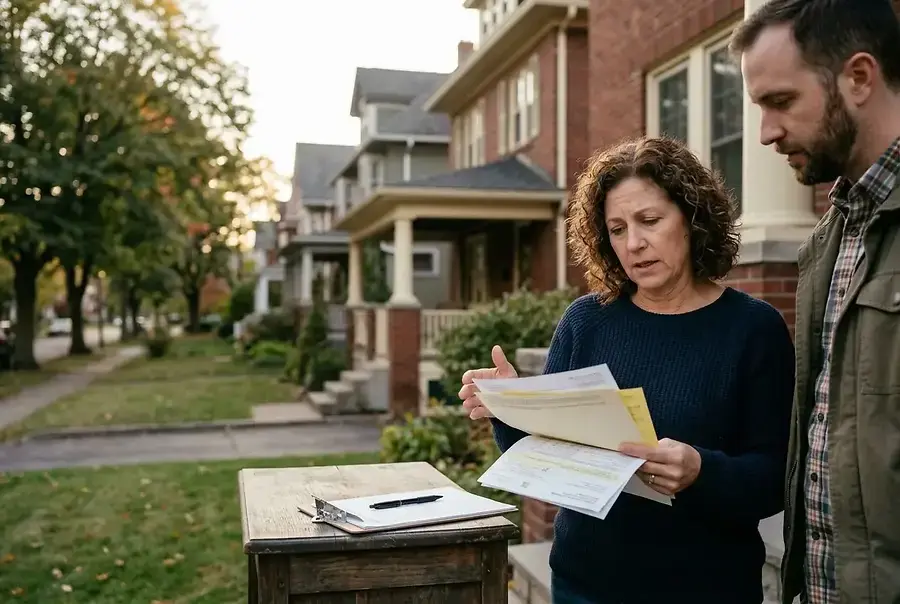
Understanding Buffalo's Property Tax System and Assessment Process
Buffalo's property tax system can seem complex, but understanding the basics is essential for every homeowner. Property taxes in Buffalo are calculated based on the assessed value of your home, which is determined by the Erie County Assessor's office. This assessed value is then multiplied by the local tax rate to determine your annual tax bill.
The assessment process begins with a physical inspection of your property. Assessors evaluate factors such as:
- Square footage and lot size
- Age and condition of the structure
- Number of bedrooms and bathrooms
- Recent renovations or improvements
- Comparable sales in your neighborhood
Assessments are typically updated every few years, though they can be adjusted more frequently if significant changes occur. It's crucial to understand that the assessed value may differ significantly from your home's actual market value. Many Buffalo homeowners are surprised to learn that their assessments don't always reflect current market conditions or the true condition of their properties.
How Assessment Values Are Determined
The Erie County Assessor uses a mass appraisal approach, which means they evaluate properties in groups rather than individually. While this method is efficient, it can lead to inaccuracies, especially for unique properties or homes in rapidly changing neighborhoods. The assessor's office relies heavily on comparable sales data, but this information may be outdated or not truly comparable to your specific property.
Common Reasons Properties Are Overassessed in Western New York
Overassessment is a widespread issue affecting many Buffalo homeowners. Understanding the common causes can help you identify whether your property may be overvalued on the tax rolls.
Outdated Comparable Sales Data
One of the most frequent reasons for overassessment is reliance on outdated or inappropriate comparable sales. If your neighborhood has experienced declining property values or if recent sales don't accurately reflect your home's condition, your assessment may be inflated. Properties in transitional neighborhoods are particularly vulnerable to this issue.
Failure to Account for Property Condition
The assessor's office may not have current information about your home's actual condition. If your property requires significant repairs, has structural issues, or lacks modern amenities, these factors should reduce its assessed value. Many homeowners discover that their assessments don't reflect deferred maintenance or necessary renovations.
Incorrect Property Characteristics
Assessment records sometimes contain errors regarding basic property information. Common mistakes include:
- Incorrect square footage calculations
- Wrong number of bathrooms or bedrooms
- Misclassified property type
- Inaccurate lot size measurements
- Failure to account for missing utilities or amenities
These errors can significantly impact your assessment and are often easy to correct once identified.
Market Value Fluctuations
Buffalo's real estate market has experienced notable changes in recent years. If your property was assessed during a peak market period, your assessment may not reflect current market realities. Economic shifts, neighborhood changes, and broader market trends can all affect your home's true value.
Steps to File a Tax Assessment Appeal and Reduce Your Burden
If you believe your property is overassessed, you have the right to file an appeal. The process is more straightforward than many homeowners realize.
Step 1: Review Your Assessment Notice
Your assessment notice contains crucial information about how your property was valued. Carefully review all details, including property characteristics, square footage, and comparable sales used in the assessment. Look for any obvious errors or inconsistencies that could support an appeal.
Step 2: Gather Supporting Documentation
Build a strong case by collecting evidence that supports your claim of overassessment. This may include:
- Recent appraisals from licensed appraisers
- Documentation of property repairs needed
- Recent comparable sales in your neighborhood
- Photos showing property condition
- Inspection reports highlighting deficiencies
- Professional assessment of needed renovations
Step 3: File Your Appeal
In Erie County, you must file your appeal with the Assessment Review Commission (ARC) by the deadline specified in your assessment notice. Missing this deadline can result in forfeiting your right to appeal for that year. The filing process is relatively simple and can often be completed online or by mail.
Step 4: Prepare for Your Hearing
If your appeal proceeds to a hearing, prepare a clear presentation of your case. Organize your documentation logically and be ready to explain why you believe your assessment is unfair.
Many successful appeals are won not by homeowners with the most expensive homes, but by those who present the clearest, most organized evidence of overassessment.
Step 5: Follow Up on the Decision
After your hearing, the ARC will issue a decision. If your appeal is successful, your assessment will be reduced. If unsuccessful, you may have additional appeal options through the court system, though this typically requires professional assistance.
Working With a Real Estate Professional to Maximize Your Property's True Worth
While homeowners can file appeals independently, working with a qualified real estate professional can significantly improve your chances of success.
Benefits of Professional Assistance
Real estate professionals and assessment consultants bring valuable expertise to the appeal process. They understand local market conditions, have access to comprehensive comparable sales data, and know how to present evidence effectively to the ARC. Their experience with successful appeals can be invaluable in building your case.
Choosing the Right Professional
When selecting a professional to help with your appeal, look for:
- Experience with Buffalo and Erie County assessments
- Track record of successful appeals
- Understanding of local real estate market trends
- Professional credentials and licensing
- Clear fee structure and transparency
A qualified professional can often recover enough in tax savings to pay for their services many times over.
Taking Action Today
Don't accept an unfair assessment passively. Your property tax bill is one of your largest annual expenses, and you have the right to ensure it's based on accurate information and fair valuation. Review your assessment, gather your documentation, and consider whether professional assistance might benefit your situation. The effort you invest in challenging an unfair assessment can result in significant long-term savings and protect your home's true value for years to come.