Buffalo's Industrial-to-Adaptive Transformation
Buffalo's skyline tells a story of American industrial might. Once a powerhouse of manufacturing and commerce, the city's iconic warehouses, factories, and grain elevators stand as monuments to a bygone era. Today, these architectural treasures are experiencing a remarkable renaissance through adaptive reuse—a sustainable development strategy that breathes new life into historic structures while preserving their character and charm.
The transformation of Buffalo's industrial landscape represents more than just real estate development; it's a cultural and economic revival. Developers, investors, and city planners are recognizing the immense potential hidden within these century-old buildings. What were once abandoned or underutilized spaces are becoming sought-after residential lofts, trendy office spaces, and vibrant mixed-use communities that attract young professionals, families, and entrepreneurs.
Understanding Adaptive Reuse Opportunities in Buffalo's Real Estate Market
The Appeal of Historic Industrial Architecture
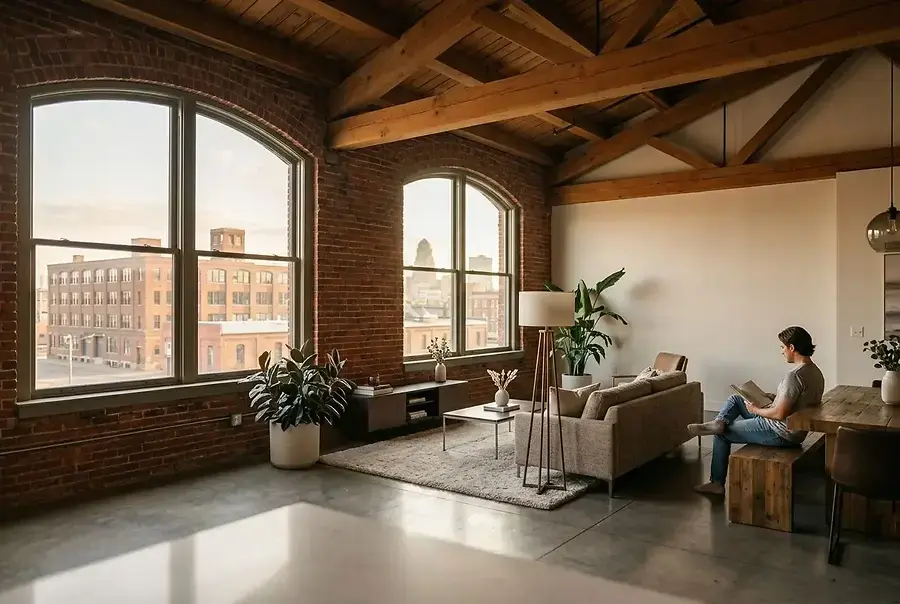
Buffalo's industrial buildings possess distinctive architectural features that modern construction struggles to replicate. Exposed brick walls, soaring timber ceilings, large windows, and open floor plans create naturally appealing living and working spaces. These characteristics, combined with solid construction and prime locations near downtown, make historic industrial properties ideal candidates for conversion.
The city's real estate market has recognized this potential, with numerous successful conversions demonstrating strong demand for adaptive reuse properties. Investors are drawn to:
- Authentic character that appeals to modern residents seeking unique living spaces
- Sustainable development that reduces environmental impact compared to new construction
- Tax incentives and grants available for historic preservation projects
- Strategic locations in revitalized neighborhoods with growing amenities
- Lower acquisition costs compared to new development in prime locations
Market Trends and Investment Potential
The adaptive reuse market in Buffalo continues to gain momentum. Property values in neighborhoods featuring converted industrial spaces have shown impressive appreciation. Developers report strong leasing and sales activity, with tenants and buyers willing to pay premium prices for the distinctive appeal of adaptive reuse properties.
The market is particularly strong for:
- Luxury loft apartments with high ceilings and industrial aesthetics
- Mixed-use developments combining residential, retail, and office space
- Creative office spaces for tech companies and startups
- Event venues and hospitality spaces with historic ambiance
- Artisan studios and maker spaces for creative professionals
Residential and Commercial Benefits of Converting Historic Industrial Properties
Residential Advantages
Converting industrial spaces into residences offers numerous benefits for both developers and residents. The distinctive character of adaptive reuse apartments creates a premium product that commands higher rents and sales prices than comparable new construction.
For residents, the benefits include:
- Unique, character-filled living spaces with architectural charm
- Typically larger square footage at competitive prices
- Proximity to downtown amenities and employment centers
- Participation in neighborhood revitalization and community building
- Investment in properties with strong appreciation potential
Successful residential conversions have transformed entire neighborhoods. Former industrial corridors now feature vibrant street-level retail, restaurants, galleries, and entertainment venues that serve both residents and visitors. This creates walkable, livable communities that attract diverse populations and foster economic growth.
Commercial and Community Benefits
Beyond residential applications, adaptive reuse creates valuable commercial and community spaces. Historic buildings are being converted into office parks, creative studios, event venues, and cultural institutions that serve as anchors for neighborhood development.
Key commercial benefits include:
- Job creation through construction, property management, and new businesses
- Tax revenue growth from increased property values and business activity
- Cultural preservation maintaining Buffalo's architectural heritage
- Environmental sustainability reducing waste and energy consumption
- Community identity strengthening neighborhood character and pride
Adaptive reuse projects often become catalysts for broader neighborhood improvement. As converted properties attract residents and businesses, surrounding areas benefit from increased foot traffic, improved infrastructure, and renewed investment. This creates a positive feedback loop that elevates entire districts.
Overcoming Development Challenges
While adaptive reuse offers tremendous potential, developers must navigate specific challenges. Historic buildings may require significant structural work, updated mechanical systems, and compliance with preservation guidelines. However, these challenges are increasingly manageable through:
- Historic preservation tax credits reducing project costs
- Specialized financing programs for adaptive reuse projects
- Experienced developers with proven track records
- Supportive city policies and streamlined permitting processes
- Growing availability of skilled trades and specialized contractors
Conclusion: Positioning Yourself as a Buffalo Adaptive Reuse Expert
Buffalo's adaptive reuse movement represents a significant opportunity for real estate professionals, investors, and developers. As the market continues to mature and expand, expertise in this specialized niche becomes increasingly valuable.
To establish yourself as a Buffalo adaptive reuse expert, focus on:
- Deep market knowledge of available properties and neighborhood trends
- Understanding of financing options including historic tax credits and preservation grants
- Relationships with specialized contractors experienced in historic renovation
- Knowledge of regulations governing historic preservation and adaptive reuse
- Marketing expertise highlighting the unique appeal of adaptive reuse properties
Buffalo's industrial heritage is not a relic of the past—it's the foundation for a vibrant future. By understanding and capitalizing on adaptive reuse opportunities, you can position yourself at the forefront of the city's real estate renaissance. The buildings that once powered American industry are now powering a new era of urban revitalization, creating communities where history and modernity coexist beautifully.
Whether you're an investor seeking opportunities, a developer looking for projects, or a real estate professional building expertise, Buffalo's adaptive reuse market offers compelling possibilities for growth and success.