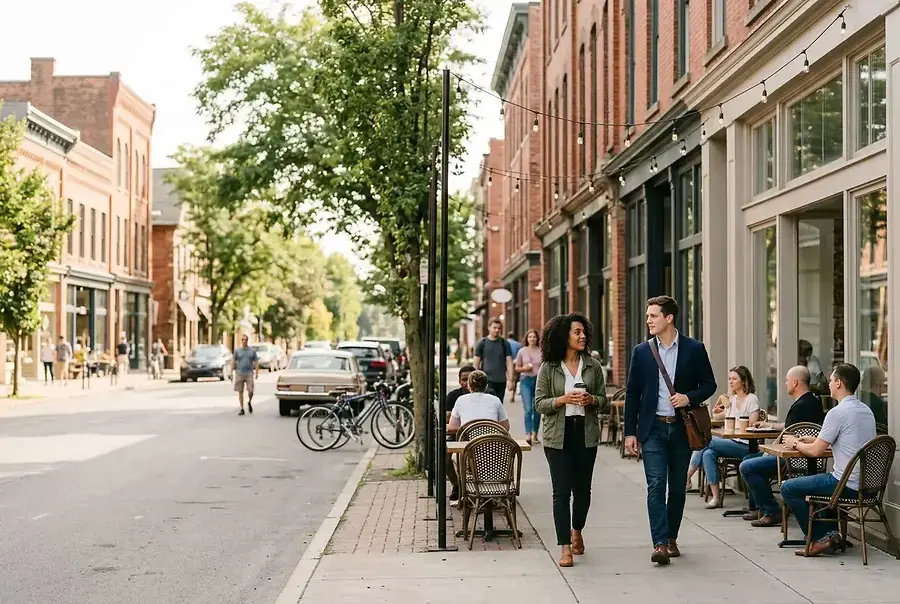
The Buffalo Real Estate Renaissance and Why Location Matters
Buffalo is experiencing a remarkable transformation. Once overlooked by investors, the city's neighborhoods are now attracting attention from savvy real estate professionals who recognize the untapped potential hidden within its historic streets. The key to capitalizing on this renaissance lies in understanding that location is not just about where a property sits today—it's about where the neighborhood is heading tomorrow.
The Buffalo real estate market has shifted dramatically in recent years. Young professionals, entrepreneurs, and families are discovering the city's affordable housing, architectural charm, and vibrant cultural scene. This influx of new residents is creating demand that extends beyond the traditionally popular areas, opening doors for investors willing to look beyond the obvious choices.
Smart investors understand that the greatest returns often come from being early to emerging neighborhoods. By identifying areas with strong fundamentals—infrastructure investment, business development, and community engagement—you can position yourself ahead of the curve and build wealth as these neighborhoods mature.
Emerging Neighborhoods with Strong Growth Indicators and Development Plans
Identifying the Right Neighborhoods
Several Buffalo neighborhoods are showing exceptional promise for real estate investment. These areas share common characteristics: active community organizations, planned infrastructure improvements, new business openings, and increasing foot traffic. The neighborhoods worth watching include:
- Allentown: Known for its artistic community and historic architecture, this neighborhood continues to attract creative professionals and entrepreneurs. New galleries, restaurants, and boutiques are opening regularly, signaling strong commercial potential.
- Elmwood Village: This walkable neighborhood offers a mix of residential charm and commercial vitality. The presence of educational institutions and established businesses creates a stable foundation for continued growth.
- West Side: Often overlooked, this neighborhood is experiencing grassroots revitalization efforts with community-led initiatives driving positive change and attracting new investment.
- Northland: With improving infrastructure and new residential projects, this area is becoming increasingly attractive to families seeking affordable housing with character.
Key Growth Indicators to Monitor
When evaluating emerging neighborhoods, focus on these critical metrics:
- Population trends: Are young professionals and families moving in? Increasing population density indicates growing demand.
- Business development: New restaurants, shops, and service businesses signal confidence in the neighborhood's future.
- Property value appreciation: Track recent sales data to identify neighborhoods where values are climbing steadily.
- Infrastructure investment: Public improvements like street renovations, parks, and transit enhancements indicate municipal commitment to the area.
- Community engagement: Active neighborhood associations and local events suggest a strong sense of community that attracts residents.
These indicators work together to create a picture of neighborhood health and investment potential. The neighborhoods showing the most promise typically demonstrate strength across multiple categories, not just one or two isolated factors.
Evaluating Properties in Transitional Areas: What Smart Investors Look For
Beyond the Surface: Thorough Due Diligence
Investing in emerging neighborhoods requires a different approach than purchasing in established areas. Smart investors conduct deeper analysis to understand both the property itself and the broader neighborhood context.
Property evaluation in transitional areas should include:
- Structural integrity: Many Buffalo properties are historic buildings requiring careful inspection. Budget for potential restoration costs and understand local preservation requirements.
- Neighborhood trajectory: Research planned developments, zoning changes, and municipal initiatives that could impact property values.
- Tenant demand: For rental properties, understand who is moving into the neighborhood and what amenities they seek.
- Exit strategy: Know your timeline and have a clear plan for how you'll realize returns on your investment.
- Local partnerships: Connect with neighborhood organizations, real estate professionals, and business owners to gain insider perspective on growth potential.
The Numbers That Matter
Financial analysis becomes even more critical when investing in emerging areas.
Calculate your potential returns based on conservative growth projections, not speculative scenarios. A property that generates positive cash flow today while appreciating modestly is a safer bet than one that relies entirely on future value appreciation.
Consider these financial metrics carefully:
- Cap rate (for investment properties)
- Cash-on-cash return
- Potential rental income relative to purchase price
- Estimated renovation costs and timeline
- Property tax trends in the neighborhood
Building Your Investment Strategy
Successful investors in emerging neighborhoods typically employ one of several strategies:
- Buy and hold: Purchase properties to rent out, building wealth through monthly cash flow and long-term appreciation.
- Renovation and resale: Identify undervalued properties with strong bones, renovate thoughtfully, and sell as the neighborhood appreciates.
- Commercial development: Invest in properties suited for retail or office use, capitalizing on growing business activity.
- Mixed-use development: Combine residential and commercial elements to maximize property potential and appeal to diverse tenants.
The best strategy depends on your capital, timeline, risk tolerance, and expertise. Many successful investors diversify across multiple properties and strategies to spread risk while maximizing opportunities.
Positioning Yourself as the Expert in Buffalo's Next Wave of Growth
As Buffalo's real estate market continues to evolve, investors who understand emerging neighborhoods and can identify genuine opportunity will thrive. The time to act is now—before these neighborhoods become mainstream and prices reflect their true potential.
To position yourself for success:
- Stay informed about neighborhood developments and municipal initiatives
- Build relationships with local real estate professionals, community leaders, and business owners
- Conduct thorough due diligence on every property and neighborhood you consider
- Think long-term and avoid getting caught up in short-term market fluctuations
- Be prepared to act quickly when you identify genuine opportunities
Buffalo's neighborhood revitalization represents one of the most compelling real estate opportunities in the region. By understanding which areas show the strongest growth indicators, evaluating properties with appropriate rigor, and developing a sound investment strategy, you can build significant wealth while contributing to the city's continued renaissance. The neighborhoods of Buffalo are ready for investors who understand their potential—are you ready to seize the opportunity?