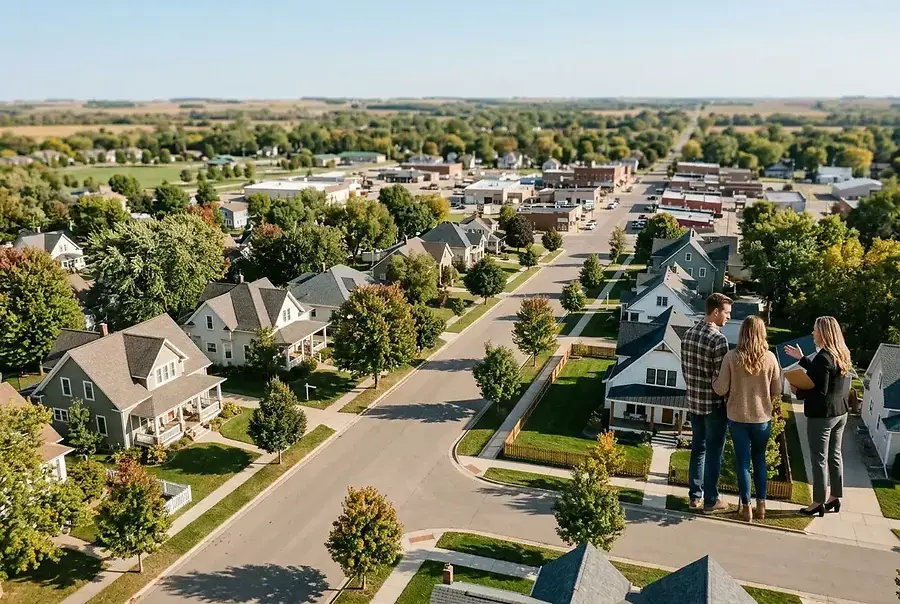
Understanding Market Fundamentals in Regional Residential Markets
The residential real estate landscape in small-town Minnesota and North Dakota has undergone a significant transformation in recent years. Unlike major metropolitan areas where property values have plateaued or become saturated, these regional markets present unique opportunities for investors seeking sustainable growth and equity building.
Several key factors drive the fundamentals of these emerging markets:
- Affordability Advantage: Entry prices remain substantially lower than national averages, allowing investors to acquire multiple properties or larger portfolios with comparable capital.
- Population Migration Trends: Remote work adoption has sparked renewed interest in smaller communities offering quality of life, lower costs, and strong community values.
- Economic Diversification: These regions are experiencing growth in healthcare, technology, and light manufacturing sectors, creating stable employment opportunities.
- Supply Constraints: Limited new construction in many small towns creates natural supply-demand imbalances that support appreciation.
The fundamentals reveal that these markets are not speculative—they're grounded in real economic activity and demographic shifts that favor long-term appreciation.
Identifying High-Growth Neighborhoods Across the Corridor
Strategic Location Selection
Success in regional real estate investing begins with identifying neighborhoods positioned for growth. The corridor stretching from Fargo through Detroit Lakes encompasses several micro-markets with distinct characteristics and appreciation potential.
Key indicators of high-growth neighborhoods include:
- Proximity to employment centers and regional amenities
- Quality school systems and educational institutions
- Infrastructure improvements and planned development projects
- Active community engagement and local business growth
- Historical price appreciation trends and market momentum
Market Research and Due Diligence
Successful investors conduct thorough market analysis before committing capital. This includes reviewing local economic reports, employment data, and demographic trends. Understanding the local narrative—what's driving growth and attracting new residents—provides crucial context for investment decisions.
Properties in neighborhoods experiencing revitalization efforts, new business openings, or infrastructure investments typically demonstrate stronger appreciation trajectories.
Emerging Opportunity Zones
Several neighborhoods across the region are emerging as particularly attractive investment targets. Communities investing in downtown revitalization, attracting young professionals, and developing mixed-use spaces are seeing increased property demand and values. These areas often offer the best combination of current affordability and future appreciation potential.
Strategies for Maximizing Home Equity Over Time
Strategic Property Selection and Acquisition
Building equity begins with smart acquisition decisions. Focus on properties with strong fundamentals: solid construction, desirable locations, and realistic improvement potential. Properties requiring cosmetic updates often provide better returns than those needing major structural work, as renovation costs can be controlled and value-add is more predictable.
Value-Add Improvements
Strategic renovations significantly accelerate equity building. Prioritize improvements that appeal to the local market:
- Kitchen and bathroom modernization
- Energy efficiency upgrades and insulation improvements
- Curb appeal enhancements and landscaping
- Flooring and interior finishes that match market preferences
- Smart home technology and modern conveniences
The key is understanding what local buyers value and investing in improvements that deliver measurable returns.
Long-Term Holding Strategy
Real estate wealth is built through patience and time in market. Short-term speculation rarely outperforms disciplined, long-term ownership in regional markets.
Properties held for extended periods benefit from compound appreciation, mortgage principal paydown, and rental income accumulation. In these markets, a 10-year holding period typically generates substantial equity through a combination of property appreciation and leverage.
Leverage and Financing Optimization
Intelligent use of financing amplifies equity building. Lower property prices in these markets mean lower absolute mortgage amounts, reducing debt service costs while maintaining strong cash flow. This allows investors to build larger portfolios and diversify risk across multiple properties.
Rental Income and Cash Flow
Many investors in these markets utilize rental strategies to accelerate equity building. Strong rental demand from young professionals, families relocating for employment, and remote workers creates consistent income streams. Positive cash flow from rental properties funds additional acquisitions and improvements, creating a compounding wealth-building effect.
Market Timing and Cycle Management
Understanding market cycles helps investors make optimal entry and exit decisions. Regional markets move differently than national trends, creating unique windows of opportunity. Monitoring local indicators—employment reports, new business announcements, infrastructure projects—helps identify optimal acquisition timing.
Conclusion: Positioning Yourself for Long-Term Real Estate Success
Building equity in small-town Minnesota and North Dakota homes represents a compelling opportunity for investors seeking sustainable, long-term wealth creation. These markets offer the rare combination of affordability, growth potential, and economic fundamentals that support appreciation.
Success requires:
- Thorough market research and due diligence
- Strategic property selection in high-growth neighborhoods
- Disciplined value-add improvement strategies
- Long-term holding perspective and patience
- Intelligent leverage and financing optimization
- Active management and continuous market monitoring
The investors who recognize these opportunities early and execute disciplined strategies will position themselves for exceptional long-term returns. As remote work continues reshaping residential preferences and younger generations seek affordable communities with strong quality of life, the appreciation potential in these regional markets remains substantial.
The time to build equity in these undervalued communities is now, before broader market recognition drives prices higher and opportunities become scarcer.