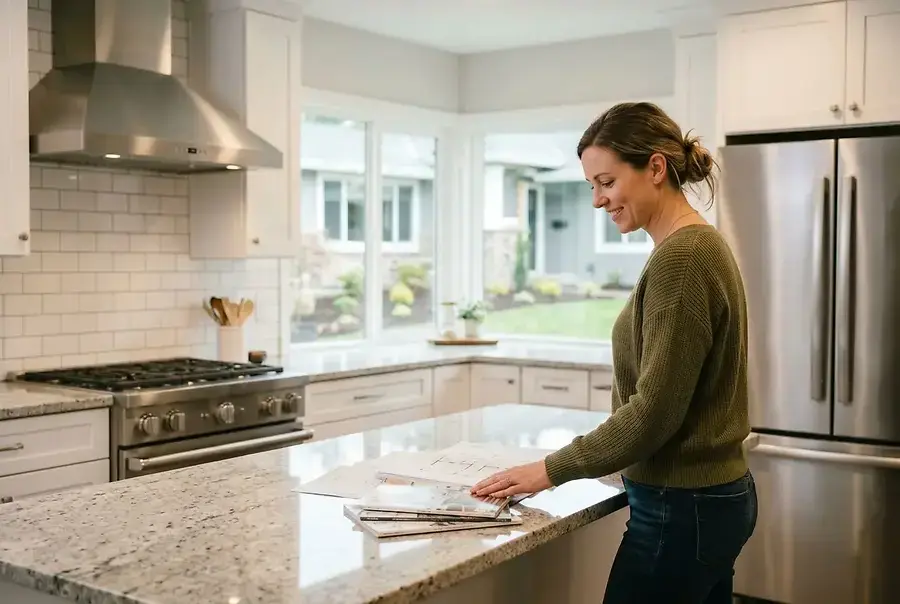
Understanding Renovation ROI and Equity Building
When it comes to building wealth through homeownership, strategic renovations can be a game-changer. However, not all home improvements are created equal. While some renovations can recoup 80-100% of their investment at resale, others may only return 50% or less. Understanding the difference between cosmetic updates and value-adding improvements is crucial for homeowners looking to maximize their property's equity.
The key to smart renovation decisions lies in understanding what buyers actually want and what will genuinely increase your home's market value. Rather than renovating based solely on personal preferences, savvy homeowners focus on improvements that address common buyer concerns and enhance the property's overall appeal and functionality.
High-Impact Renovations That Buyers Value Most
Kitchen Remodeling
The kitchen remains one of the most important spaces for home buyers. A well-executed kitchen renovation typically returns 50-60% of its investment, making it one of the highest-impact improvements you can make. Focus on:
- Quality appliances that are energy-efficient and modern
- Updated cabinetry with contemporary finishes
- Durable countertops in neutral colors
- Improved lighting and functional layout
Bathroom Upgrades
Bathrooms are another critical area where renovations pay dividends. A full bathroom remodel can return 50-70% of investment. Prioritize:
- Modern fixtures and finishes
- Improved ventilation and moisture control
- Updated tile work and flooring
- Enhanced lighting and storage solutions
Energy-Efficient Improvements
Energy efficiency has become increasingly important to homebuyers. These improvements often provide excellent ROI while reducing utility costs:
- HVAC system upgrades - New heating and cooling systems can return 50-75% of investment
- Insulation improvements - Better insulation reduces energy bills and appeals to environmentally conscious buyers
- Window replacement - Energy-efficient windows return 70-80% of investment
- Solar panel installation - Growing in popularity and can significantly increase home value
Curb Appeal and Exterior Work
First impressions matter tremendously. Exterior improvements often deliver strong returns:
- New roof installation (returns 60-70% of investment)
- Fresh exterior paint and landscaping
- Updated entryway and front door
- Deck or patio additions
Budget-Friendly Updates That Maximize Property Appeal
Paint and Cosmetic Refreshes
Sometimes the most impactful improvements don't require massive budgets. A fresh coat of paint in neutral, modern colors can dramatically transform a space. Interior and exterior painting is one of the most cost-effective ways to improve your home's appeal and can return 50-100% of investment depending on execution.
Flooring Updates
Replacing worn or outdated flooring is a smart investment. Hardwood flooring, luxury vinyl, or quality tile can return 70-80% of investment. Focus on durable, neutral options that appeal to a broad range of buyers.
Lighting Improvements
Upgrading lighting fixtures throughout your home is relatively inexpensive but makes a significant impact. Modern, energy-efficient lighting creates a more inviting atmosphere and can improve the perceived value of your space.
Smart Home Features
Adding smart home technology doesn't require a complete overhaul. Simple additions like smart thermostats, doorbell cameras, and automated lighting systems appeal to modern buyers and can be installed affordably. These upgrades demonstrate that your home is up-to-date and tech-forward.
Storage Solutions
Buyers consistently value storage space. Adding built-in shelving, closet organizers, or pantry improvements can enhance functionality without breaking the bank. These practical improvements address a common buyer concern and improve daily living quality.
Prioritizing Renovations for Long-Term Wealth
Assess Your Home's Needs
Before diving into renovations, conduct a thorough assessment of your property. Identify areas that are outdated, damaged, or underperforming.
Focus on fixing problems that will be deal-breakers for buyers before investing in luxury upgrades.
Consider Your Market
Different markets value different improvements. In colder climates, energy efficiency and heating systems are paramount. In warmer regions, outdoor living spaces and cooling systems take priority. Research your local real estate market to understand what buyers in your area prioritize.
Balance Personal Enjoyment with ROI
While ROI is important, remember that you'll be living in your home while renovations are underway. It's reasonable to include some personal touches, but prioritize improvements that serve both your current enjoyment and future resale value.
Plan for Quality Execution
The quality of renovation work matters significantly. Poorly executed improvements can actually decrease your home's value. Invest in qualified contractors and ensure work meets building codes and industry standards. Quality workmanship protects your investment and ensures buyer confidence.
Time Your Renovations Strategically
Consider the timing of your renovations. Major work should be completed well before listing your home for sale, allowing time for any issues to surface and be addressed. This gives potential buyers confidence in the quality and durability of your improvements.
Conclusion: Building Wealth Through Smart Choices
Building equity through home renovations requires strategic thinking and informed decision-making. By focusing on high-impact improvements like kitchen and bathroom upgrades, energy-efficient systems, and strong curb appeal, you can significantly increase your property's value and return on investment.
Remember that the most valuable renovations address buyer concerns, improve functionality, and enhance the overall appeal of your home. Whether you're planning major remodels or budget-friendly updates, prioritize improvements that deliver both immediate enjoyment and long-term financial benefits.
Smart renovation choices today create substantial equity and wealth for tomorrow. By understanding what buyers value and executing quality improvements, you're not just updating your home—you're building a stronger financial future.