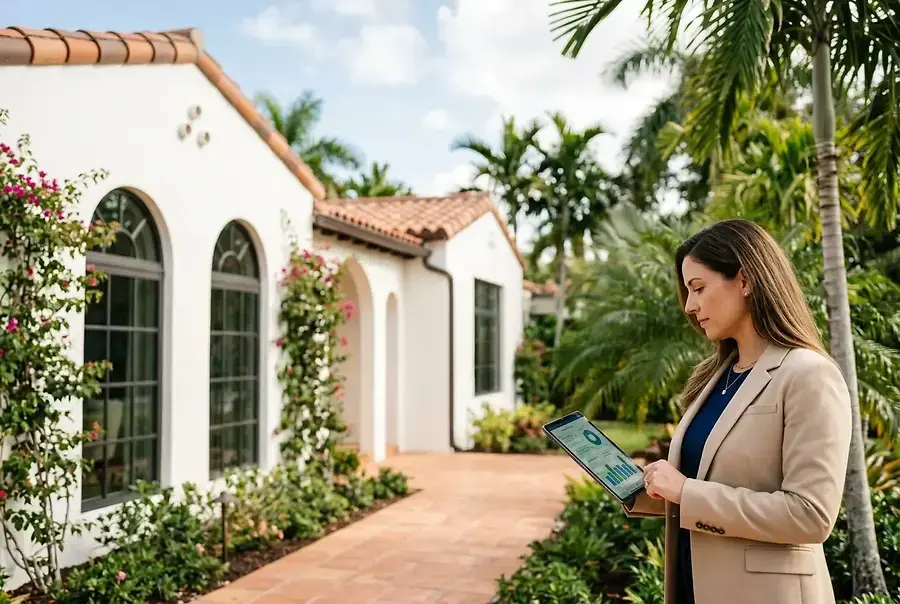
Understanding the Rental Market Dynamics in Coral Gables and Miami
The Miami metropolitan area, particularly Coral Gables and surrounding neighborhoods, has emerged as one of the most attractive rental markets in the United States. These communities offer a unique combination of strong demand, diverse tenant pools, and consistent appreciation potential that makes them ideal for residential investors seeking to build long-term wealth.
Market Fundamentals and Demand Drivers
Coral Gables and Miami benefit from multiple demand drivers that keep rental properties consistently occupied. The region attracts young professionals relocating for career opportunities, international investors seeking U.S. real estate exposure, and retirees drawn to the year-round climate and lifestyle amenities. This diverse tenant base creates a stable rental environment with lower vacancy rates compared to national averages.
The influx of tech companies, financial institutions, and creative industries has transformed Miami into a major employment hub. This economic diversification reduces dependence on any single industry and provides multiple income sources for potential tenants, translating into more reliable rental payments for property owners.
Location Advantages and Property Appreciation
Coral Gables, known as the "City Beautiful," offers tree-lined streets, Mediterranean Revival architecture, and excellent schools, making it particularly attractive to families and established professionals. Miami's diverse neighborhoods each offer distinct advantages—from waterfront properties with ocean views to vibrant urban communities with walkable amenities.
Both markets have demonstrated consistent property value appreciation over the past decade. Strategic location selection within these areas can significantly impact both rental income potential and long-term equity growth. Properties near public transportation, shopping districts, and employment centers command premium rents and attract quality tenants.
Analyzing ROI Potential: Cash Flow vs. Appreciation
Understanding Cash Flow Dynamics
Successful rental property investors must balance two primary wealth-building mechanisms: monthly cash flow and long-term appreciation. Cash flow—the monthly rental income minus expenses—provides immediate passive income that can be reinvested or used to cover mortgage payments and operating costs.
In Coral Gables and Miami, rental rates have remained competitive and resilient. A well-selected property in a desirable neighborhood can generate monthly cash flow of 8-12% of the property's purchase price annually. This means a $400,000 investment property could produce $2,600-$4,000 in monthly rental income, depending on location and property condition.
Appreciation as Long-Term Wealth Builder
While monthly cash flow provides immediate returns, property appreciation builds substantial equity over time. Historical data shows that Miami-area properties have appreciated at rates exceeding national averages. This appreciation compounds over decades, creating significant wealth for patient investors.
Consider this scenario: A property purchased for $500,000 that appreciates at 4% annually will be worth approximately $1.1 million in 20 years. Combined with mortgage principal paydown and accumulated rental income, this creates a powerful wealth-building engine.
Calculating Your Expected Returns
Savvy investors evaluate properties using key metrics:
- Cap Rate: Annual net operating income divided by property price. Target 5-7% in these markets.
- Cash-on-Cash Return: Annual cash flow divided by initial cash investment. Aim for 8-12% returns.
- Price-to-Rent Ratio: Property price divided by annual rental income. Lower ratios indicate better value.
These metrics help identify properties that balance immediate income with appreciation potential, ensuring your investment aligns with your financial goals.
Property Management and Tenant Retention Strategies
Building a Strong Property Management Foundation
Effective property management directly impacts your bottom line. Whether you manage properties yourself or hire a professional management company, establishing clear systems and processes is essential. Responsive maintenance, professional communication, and fair lease enforcement create an environment where quality tenants want to stay.
Professional property managers in the Miami area typically charge 8-12% of monthly rental income but handle tenant screening, rent collection, maintenance coordination, and legal compliance. For many investors, this cost is justified by reduced vacancy periods and better tenant quality.
Tenant Screening and Selection
The foundation of successful rental property investing is selecting reliable tenants. Comprehensive screening should include:
- Credit checks to assess financial responsibility
- Income verification (typically requiring 3x monthly rent)
- Employment history and stability assessment
- Reference checks from previous landlords
- Background screening for criminal history
Quality tenants pay rent on time, maintain properties respectfully, and renew leases, minimizing turnover costs and vacancy periods. This single factor can dramatically improve your investment returns.
Retention and Relationship Building
Retaining quality tenants is more cost-effective than replacing them. Long-term tenants reduce turnover costs, which can exceed $2,000-$3,000 per vacancy when accounting for cleaning, repairs, and lost rent. Building positive relationships through responsive maintenance, fair rent increases, and professional communication encourages lease renewals.
Smart investors understand that a satisfied tenant is an asset that generates consistent returns year after year.
Maintenance and Property Upkeep
Regular maintenance prevents costly emergency repairs and keeps properties attractive to quality tenants. Establish preventive maintenance schedules for HVAC systems, plumbing, roofing, and appliances. Properties that are well-maintained command higher rents and experience fewer tenant complaints.
Conclusion: Creating Your Investment Blueprint
Building wealth through rental property investments in Coral Gables and Miami requires a strategic approach that balances immediate cash flow with long-term appreciation. These markets offer compelling opportunities for investors willing to conduct thorough due diligence and implement sound management practices.
Start by clearly defining your investment goals—are you seeking monthly income, long-term appreciation, or both? Research neighborhoods carefully, analyze properties using proven metrics, and select tenants who will protect your investment. Consider partnering with experienced property managers and real estate professionals who understand local market dynamics.
The path to building equity through rental properties is proven and accessible. By leveraging the strong fundamentals of the Miami and Coral Gables markets, implementing effective management strategies, and maintaining a long-term perspective, you can create a portfolio that generates consistent passive income while building substantial wealth for your future.