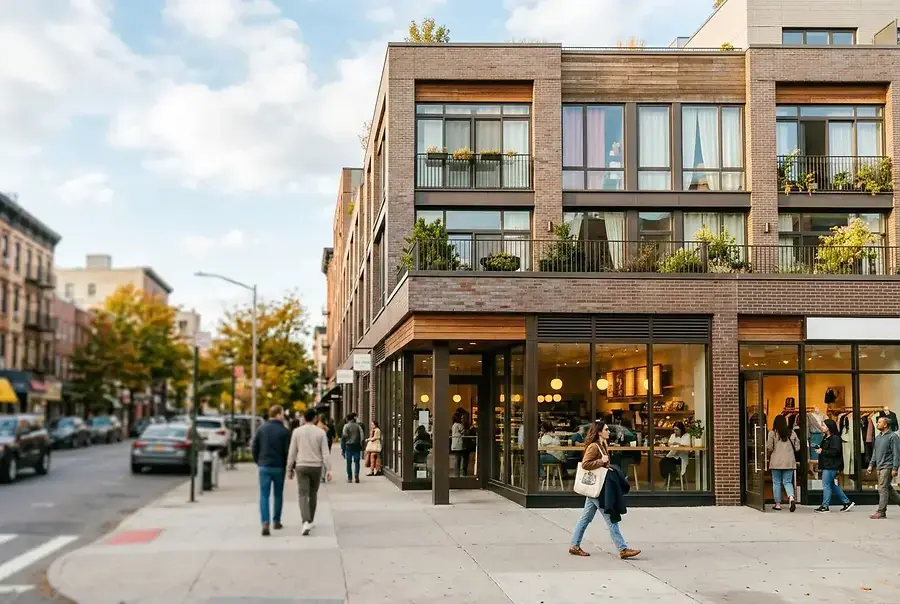
Introduction: The Rise of Residential-Commercial Hybrid Properties in NYC
The New York City real estate market is experiencing a significant shift toward mixed-use properties that combine residential and commercial spaces under one roof. This hybrid approach has become increasingly attractive to investors seeking to diversify income streams and maximize property value. In boroughs like Brooklyn, Flushing, and Staten Island, developers and investors are discovering that properties featuring ground-floor retail or office space with residential units above offer compelling financial advantages.
The appeal is straightforward: dual-purpose properties generate multiple revenue sources. A single building can house a thriving coffee shop, boutique, or professional office on the ground level while generating steady residential rental income from apartments above. This diversification not only increases cash flow but also provides a hedge against market fluctuations in either the residential or commercial sectors.
Understanding Zoning Requirements and Compliance Across the Three Boroughs
Brooklyn's Mixed-Use Opportunities
Brooklyn has emerged as a leader in mixed-use development, with neighborhoods like Williamsburg, Park Slope, and DUMBO showcasing successful residential-commercial hybrids. The borough's zoning regulations generally permit mixed-use development in commercial and manufacturing zones, making it relatively accessible for investors.
- Commercial overlays in residential areas allow ground-floor retail with residential units above
- Contextual zoning in many neighborhoods supports mixed-use development
- Community Board approval is often required for larger projects
- Parking requirements vary by location and use type
Successful Brooklyn investors emphasize the importance of early engagement with local community boards and understanding specific neighborhood zoning codes before acquiring property.
Flushing's Commercial-Residential Balance
Flushing presents unique opportunities for mixed-use development, particularly given its dense population and thriving commercial corridors. The neighborhood's zoning allows for substantial mixed-use development, especially along major thoroughfares like Main Street and Roosevelt Avenue.
- Commercial districts (C4, C5) permit residential units above commercial spaces
- Height and setback requirements are more flexible than in residential zones
- Parking mandates are significant and should be factored into project costs
- Proximity to transit increases property values and rental potential
Transit accessibility is a major advantage in Flushing, as properties near subway stations command premium rents for both commercial and residential tenants.
Staten Island's Emerging Market
Staten Island represents a frontier for mixed-use development, with less competition and lower acquisition costs compared to Brooklyn and Queens. While zoning regulations are more restrictive in some areas, strategic locations offer significant upside potential.
- Zoning varies significantly by neighborhood; research is essential
- Commercial zones near the Staten Island Ferry and major roads are ideal
- Lower property costs allow for greater profit margins
- Growing residential population supports both commercial and residential tenants
Investors in Staten Island often find that lower competition and acquisition costs offset the borough's smaller commercial market compared to Brooklyn and Flushing.
Financing and Investment Strategies for Dual-Use Properties
Securing Appropriate Financing
Mixed-use properties present unique financing challenges, as traditional residential and commercial lenders may have different requirements. Successful investors employ several strategies:
- Portfolio lenders offer flexibility for mixed-use properties that don't fit standard categories
- SBA loans can be advantageous when the commercial component is substantial
- Conventional mortgages work well when residential units comprise the majority of the property
- Bridge financing provides short-term capital during renovation or lease-up phases
Lenders typically evaluate mixed-use properties based on the income generated from both components. Demonstrating strong commercial tenant leases significantly improves financing terms and loan amounts.
Maximizing Return on Investment
Experienced investors employ several proven strategies to enhance returns on mixed-use properties:
Strategic Tenant Selection: Choosing complementary commercial tenants that attract foot traffic and enhance the property's appeal is crucial. A quality restaurant or retail establishment can increase residential desirability and rental rates.
Lease Structure Optimization: Negotiating longer commercial leases with built-in rent escalations provides income stability and predictability. Residential leases should be structured to allow for market-rate adjustments.
Value-Add Opportunities: Properties requiring renovation often present the best returns. Upgrading both commercial and residential spaces can justify significant rent increases.
"The key to success in mixed-use properties is understanding that you're managing two distinct businesses simultaneously. The commercial tenant's success directly impacts your residential property's appeal and value." - Real estate investment professional
Risk Management Considerations
While mixed-use properties offer compelling advantages, investors must carefully manage several risks:
- Commercial vacancy can impact overall property cash flow more severely than residential vacancy alone
- Different tenant types require distinct management approaches and expertise
- Zoning changes or regulatory shifts can affect property value and use
- Maintenance costs may be higher due to commercial space requirements
Successful investors maintain adequate reserves and diversify their tenant base to mitigate these risks.
Conclusion: Positioning Yourself for Success in the Hybrid Real Estate Market
Mixed-use properties represent a compelling opportunity for investors seeking to maximize returns and build resilient real estate portfolios. Brooklyn, Flushing, and Staten Island each offer distinct advantages and challenges for this investment strategy.
Success in the hybrid real estate market requires:
- Thorough understanding of local zoning regulations and compliance requirements
- Strategic financing approach tailored to mixed-use property characteristics
- Careful tenant selection and lease structuring
- Active property management and risk mitigation
- Long-term perspective on property appreciation and income growth
As NYC's real estate market continues to evolve, investors who master the complexities of mixed-use properties will be well-positioned to capture significant value. Whether you're exploring opportunities in Brooklyn's established neighborhoods, Flushing's vibrant commercial corridors, or Staten Island's emerging market, the fundamentals remain consistent: understand your market, structure your financing wisely, and manage your properties actively.
The investors who thrive in this space recognize that mixed-use properties aren't simply real estate investments—they're carefully orchestrated businesses that require expertise, attention, and strategic vision. For those willing to invest the time and effort, the rewards can be substantial.