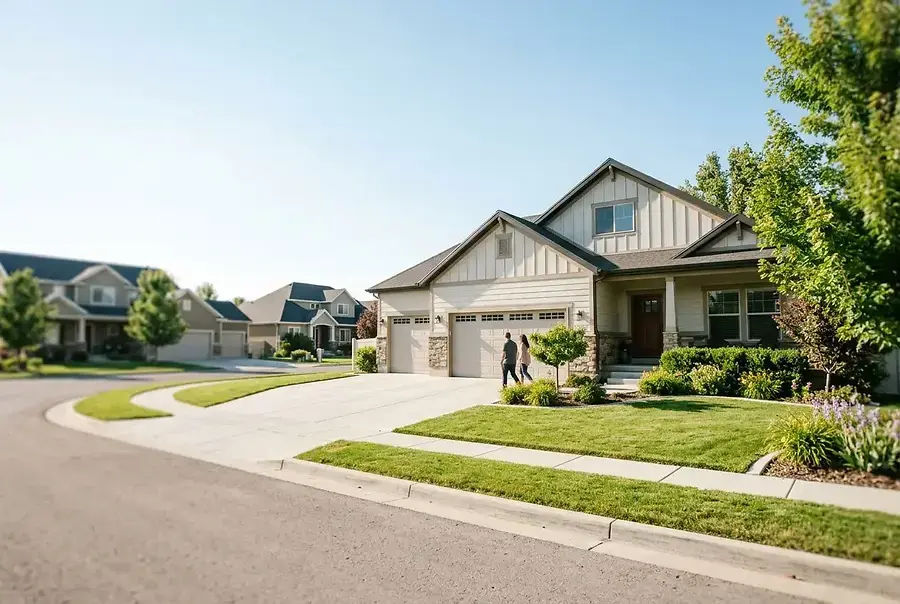
Understanding American Fork's Investment Property Market
American Fork has emerged as one of Utah's most attractive markets for residential real estate investors. Located in Utah County, this thriving community offers a unique combination of steady population growth, strong rental demand, and reasonable property values compared to neighboring areas. The city's proximity to major employment centers and excellent schools makes it particularly appealing to families seeking rental properties.
The market dynamics in American Fork are shaped by several key factors. The region has experienced consistent population growth, driven by young families relocating for employment opportunities and quality of life. This demographic trend directly translates to sustained rental demand, making residential investment properties a viable long-term strategy. Additionally, the area's economic diversification—with tech companies, healthcare facilities, and manufacturing operations—provides stability for tenant employment.
Market Trends and Opportunities
Current market conditions present several opportunities for savvy investors. Property appreciation has been steady, though more moderate than peak years, creating a balanced environment for both buyers and investors. The rental market remains competitive, with consistent demand for well-maintained single-family homes and multi-unit properties. Understanding these trends helps investors identify the right entry points and property types for their portfolios.
Key Metrics for Evaluating Residential Investment Opportunities
Successful investment property purchases depend on thorough analysis and understanding critical financial metrics. Before committing capital, investors must evaluate properties using standardized measurements that reveal true profitability potential.
Essential Financial Metrics
- Cap Rate (Capitalization Rate): This metric divides the property's net operating income by its purchase price. A higher cap rate generally indicates better cash flow potential, though rates vary by market and property condition.
- Cash-on-Cash Return: This measures the annual cash profit relative to the cash invested. It's particularly important for investors using leverage and financing.
- Price-to-Rent Ratio: Dividing the property price by annual rental income reveals whether a property is overpriced relative to its income potential. Lower ratios typically indicate better investment value.
- Debt Service Coverage Ratio: Lenders use this metric to ensure rental income adequately covers mortgage payments and operating expenses. Most lenders require a minimum ratio of 1.2 to 1.25.
Property-Specific Considerations
Beyond financial metrics, evaluate the property's physical condition, location desirability, and tenant appeal. Properties in established neighborhoods with good schools, parks, and shopping typically command higher rents and attract quality tenants. Consider the age of major systems—roof, HVAC, plumbing, and electrical—as replacement costs significantly impact profitability.
Location within American Fork matters considerably. Properties near employment centers, public transportation, and amenities typically perform better. Research the neighborhood's crime rates, school ratings, and future development plans to assess long-term appreciation potential.
Financing and Legal Considerations for Investment Properties
Securing appropriate financing is crucial for investment property success. Investment properties typically require different financing terms than primary residences, with higher down payments and stricter lending requirements.
Financing Options
Most investors use conventional mortgages, which typically require 20-25% down payments for investment properties. Some lenders offer portfolio loans with more flexible terms, while others provide FHA loans for owner-occupied multi-unit properties. Hard money lenders and private financing provide alternatives for investors needing quick closings or facing credit challenges, though at higher interest rates.
Working with a mortgage broker experienced in investment properties helps identify the best financing options for your specific situation. Compare interest rates, loan terms, and lender requirements across multiple sources to secure favorable terms.
Legal and Tax Considerations
Establish the proper legal structure for your investment—whether as an individual, LLC, or corporation. Each structure offers different liability protection and tax implications. Consult with a real estate attorney and tax professional to determine the best approach for your circumstances.
Understanding tax obligations is essential. Investment property owners can deduct mortgage interest, property taxes, insurance, maintenance, and depreciation. However, rental income is fully taxable. Keeping meticulous records and working with a tax professional ensures you maximize deductions while remaining compliant with regulations.
Building a Long-Term Rental Strategy in American Fork
Successful investment requires a comprehensive strategy that extends beyond the initial purchase. Long-term rental success depends on property management, tenant selection, and continuous market awareness.
Property Management Excellence
Effective property management directly impacts profitability and investor stress levels. Whether self-managing or hiring a professional property manager, establish clear systems for tenant screening, rent collection, maintenance coordination, and lease enforcement. Professional property managers typically charge 8-12% of monthly rent but handle tenant relations, maintenance coordination, and legal compliance.
Maintain properties proactively rather than reactively. Regular inspections, timely repairs, and preventive maintenance preserve property value and tenant satisfaction. Well-maintained properties command higher rents and experience lower vacancy rates.
Tenant Selection and Retention
Quality tenants are the foundation of successful rental properties. Implement thorough screening processes including credit checks, employment verification, and reference checks. Clear lease agreements that outline expectations, maintenance responsibilities, and rent payment terms prevent disputes and protect your investment.
Building positive tenant relationships encourages long-term occupancy, reducing costly vacancy periods and turnover expenses. Responsive maintenance, fair treatment, and reasonable rent increases foster stability and reduce turnover.
Long-Term Portfolio Growth
Start with a clear investment timeline and goals. Are you seeking immediate cash flow or long-term appreciation? This determines property selection and financing strategies. Conservative investors might focus on established neighborhoods with stable, predictable returns, while growth-oriented investors might target emerging areas with higher appreciation potential.
Consider building a diversified portfolio with multiple properties across different neighborhoods and price points. This diversification reduces risk and provides flexibility for different market conditions. Reinvesting profits into additional properties accelerates portfolio growth through leverage and compounding returns.
Staying Informed and Adaptable
Real estate markets evolve continuously. Stay informed about local market trends, regulatory changes, and economic factors affecting American Fork. Join local real estate investment groups, attend market seminars, and maintain relationships with real estate professionals. This knowledge helps you adapt strategies as market conditions change and identify emerging opportunities.
Successful residential investing in American Fork requires patience, discipline, and continuous learning. By understanding the market, analyzing properties thoroughly, securing appropriate financing, and implementing sound management practices, investors can build profitable, sustainable real estate portfolios that generate wealth over time.