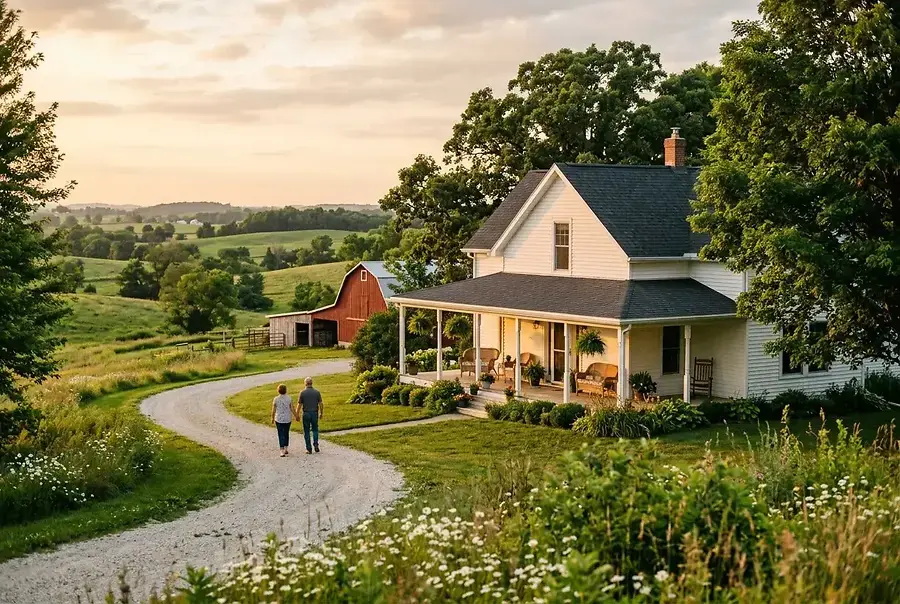
The Appeal and Reality of Rural Illinois Real Estate
Northwest Illinois small towns have become increasingly attractive to homebuyers seeking an escape from urban sprawl and a return to community-oriented living. Towns like Galena, Elizabeth, and East Dubuque offer picturesque landscapes, lower property costs, and a slower pace of life that appeals to retirees, remote workers, and families alike. However, purchasing property in these rural communities requires a different approach than buying in metropolitan areas.
The charm of small-town living comes with unique advantages: affordability, strong community bonds, and access to natural beauty. Yet potential buyers must also understand the distinct challenges that accompany rural real estate transactions, from limited inventory to specialized financing considerations.
Key Factors to Consider When Buying in Small-Town Communities
Understanding the Local Market Dynamics
Rural Illinois markets move differently than urban centers. Inventory tends to be limited, meaning fewer homes available at any given time. This scarcity can work in your favor as a buyer—properties may appreciate steadily—but it also means you'll need patience and flexibility in your search.
Research local market trends by connecting with real estate agents who specialize in your target area. They understand seasonal fluctuations, pricing patterns, and which neighborhoods are experiencing growth or decline. Local expertise is invaluable when making such a significant investment.
Property Condition and Hidden Costs
Many homes in small towns are older, charming properties with character and history. However, older homes often come with unexpected expenses. Before making an offer, budget for:
- Comprehensive home inspections to identify structural issues
- Septic system evaluations (many rural homes use septic rather than municipal sewage)
- Well water testing and potential treatment needs
- Roof, foundation, and electrical system assessments
- Potential lead paint remediation in homes built before 1978
Don't skip the inspection phase. Rural properties may have issues that are more expensive to repair than in urban areas due to limited contractor availability and travel costs.
Utilities and Infrastructure
Small-town living means evaluating utility availability and reliability. Confirm whether the property has:
- Municipal water and sewer or private well and septic systems
- Natural gas availability or reliance on propane/heating oil
- Reliable internet service (increasingly important for remote workers)
- Cell phone coverage in the area
These factors significantly impact your quality of life and property value. A property without reliable internet, for example, may be unsuitable for remote workers regardless of its charm.
Zoning and Land Use Considerations
Rural properties often have fewer zoning restrictions than urban counterparts, which can be advantageous if you plan agricultural activities or home-based businesses. However, this also means your neighbors might operate farms, quarries, or other commercial ventures. Understand what activities are permitted on neighboring properties before purchasing.
Navigating Financing, Inspections, and Local Market Dynamics
Securing Appropriate Financing
Financing rural properties can be more challenging than financing urban homes. Traditional lenders may be hesitant about rural mortgages due to perceived higher risk and lower property values. Consider these financing options:
- USDA Rural Development Loans: Designed specifically for rural properties, offering favorable terms and low down payments
- Conventional mortgages: Available through banks and credit unions familiar with rural markets
- Local lenders: Community banks often have more flexibility with rural properties
- Portfolio loans: Some lenders keep mortgages in-house rather than selling them, allowing more flexibility
Start conversations with lenders early in your home search. Understanding your financing options before making an offer strengthens your negotiating position.
The Inspection Process in Rural Settings
Rural home inspections require specialized knowledge. Hire inspectors experienced with:
- Septic system functionality and capacity
- Well water quality and pressure systems
- Propane tank safety and efficiency
- Rural electrical systems and generators
- Drainage and grading on larger properties
These inspections may cost more than urban inspections, but they're essential investments. A failing septic system or contaminated well can cost thousands to remediate.
Working with Local Real Estate Professionals
Partner with real estate agents and attorneys who understand Northwest Illinois specifically. They can provide insights into:
- Property tax assessments and trends
- Local development plans that might affect property values
- School district quality (important for families)
- Access to medical facilities and services
- Community amenities and recreational opportunities
Local professionals are your greatest asset in navigating the unique aspects of small-town real estate transactions.
Conclusion: Making an Informed Decision in Northwest Illinois Real Estate
Buying property in Northwest Illinois small towns like Galena, Elizabeth, and East Dubuque offers genuine opportunities for those seeking a different lifestyle. The combination of affordability, community character, and natural beauty makes these areas increasingly appealing.
However, success requires thorough due diligence. Take time to understand the local market, invest in comprehensive inspections, secure appropriate financing, and work with experienced local professionals. Don't let the charm of a property overshadow practical considerations about utilities, infrastructure, and long-term viability.
Rural real estate transactions differ fundamentally from urban purchases. By approaching your small-town property search with realistic expectations and careful planning, you can find a home that truly meets your needs and represents a sound financial investment. The slower pace and community connections of small-town living can be deeply rewarding—when you've done your homework first.