Understanding Waterfront Property Types and Coastal Regulations
The Golden Isles offers diverse waterfront property options, each with distinct characteristics and regulatory requirements. Whether you're drawn to oceanfront estates on St. Simons Island, exclusive Sea Island compounds, historic Jekyll Island properties, or riverside homes in Brunswick, understanding the specific regulations governing each location is essential.
Types of Waterfront Properties
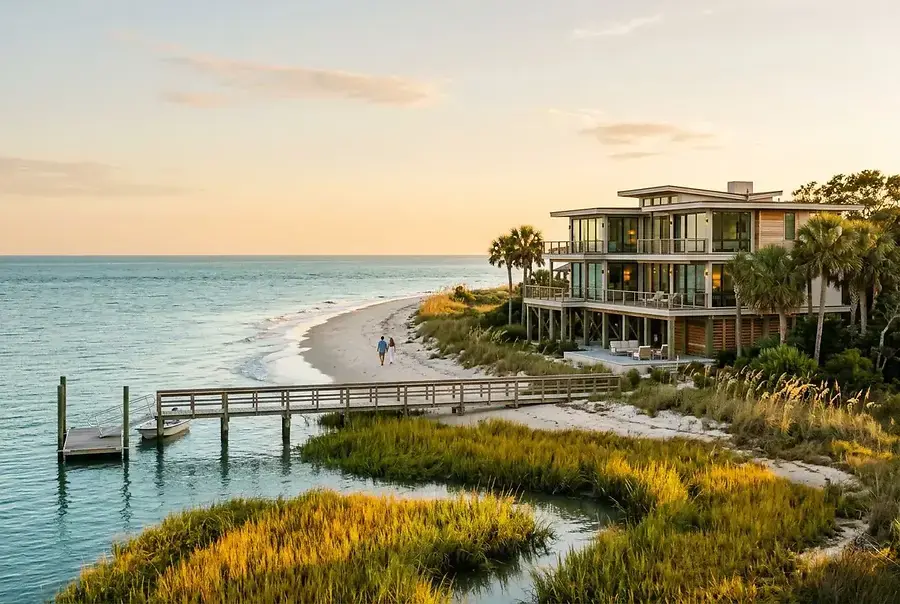
Waterfront properties in the Golden Isles fall into several categories: oceanfront homes with direct beach access, marsh-view properties overlooking tidal marshlands, river-front residences along the Frederica River, and canal-front homes in planned communities. Each type presents unique advantages and challenges regarding maintenance, accessibility, and long-term value appreciation.
Oceanfront properties command premium prices but require specialized maintenance due to salt spray and storm exposure. Marsh-view properties offer stunning vistas and ecological significance while typically being more affordable. River and canal-front homes provide calm-water access ideal for boating enthusiasts.
Coastal Regulations and Permits
Georgia's coastal zone management regulations are stringent and designed to protect both property owners and the environment. Key regulations include:
- Coastal Marshlands Protection Act: Restricts development within 1,500 feet of tidal marshlands
- Beach Erosion Control Act: Governs construction and modification of shorelines
- Environmental permits: Required for any structural modifications or landscaping near water
- Setback requirements: Mandate minimum distances from water's edge for new construction
Before purchasing, verify that any planned renovations or improvements comply with local ordinances. Working with a real estate attorney familiar with Golden Isles coastal law is highly recommended.
Evaluating Flood Risk, Insurance, and Environmental Considerations
Understanding Flood Zones and FEMA Maps
Flood risk assessment is critical when buying waterfront property. The Federal Emergency Management Agency (FEMA) classifies properties into flood zones based on historical data and projected risk. Properties in high-risk zones (AE or VE zones) require flood insurance as a mortgage condition.
The Golden Isles experiences both storm surge and tidal flooding risks. Properties near marshlands may flood during king tides, while oceanfront homes face hurricane-related surge threats. Request a detailed flood zone determination and review historical flood records for your specific property.
Flood Insurance Requirements and Costs
Flood insurance is separate from standard homeowners insurance and can be expensive for high-risk properties. Premiums vary based on flood zone designation, elevation, and property value. A typical policy in moderate-risk areas costs $800-$1,500 annually, while high-risk properties may exceed $5,000 per year.
Consider elevation improvements such as raising the structure or installing flood vents, which can reduce insurance premiums significantly. Some properties qualify for Hazard Mitigation Grant Programs that offset elevation costs.
Environmental and Ecological Considerations
The Golden Isles' natural ecosystems are both an asset and a responsibility. Properties near salt marshes support critical habitats for fish, birds, and other wildlife. Environmental regulations protect these areas, and property owners must comply with restrictions on dredging, bulkhead construction, and vegetation removal.
Key environmental factors to evaluate:
- Presence of protected species on or near the property
- Water quality and historical pollution concerns
- Erosion rates and shoreline stability
- Septic system requirements and proximity to water sources
Pricing Trends and Investment Potential Across the Golden Isles Waterfront Market
Current Market Dynamics
The Golden Isles waterfront market remains robust, with properties appreciating steadily over the past several years. St. Simons Island commands the highest prices, with oceanfront homes ranging from $2 million to $8 million. Sea Island properties, known for exclusivity, often exceed $5 million. Jekyll Island offers more moderate pricing with oceanfront homes between $1.5 million and $4 million, while Brunswick riverfront properties provide entry points starting around $500,000.
Demand from both primary residence buyers and investors continues to drive appreciation. The region's appeal as a retirement destination and vacation home market supports long-term value growth.
Investment Potential and Rental Income
Waterfront properties in the Golden Isles offer strong rental income potential, particularly on St. Simons and Jekyll Islands where vacation rental markets thrive. Oceanfront homes can generate $3,000-$8,000 monthly during peak season, providing excellent returns for investment properties.
However, consider the costs of property management, maintenance, insurance, and potential vacancy periods. Working with experienced property managers familiar with coastal rentals is essential for maximizing returns while protecting your investment.
Long-Term Value Considerations
While waterfront properties appreciate, several factors affect long-term value. Climate change and rising sea levels present future challenges. Properties with strong elevation, modern flood mitigation features, and stable shorelines maintain value better than those facing erosion or frequent flooding.
Diversification within the Golden Isles is wise—properties on higher ground or with superior drainage systems offer better long-term security than those in marginal flood zones.
Closing Your Waterfront Purchase: Final Steps and Long-Term Ownership
Pre-Closing Inspections and Due Diligence
Comprehensive inspections are non-negotiable for waterfront properties. Beyond standard home inspections, commission specialized evaluations:
- Marine surveys: For properties with docks or marine structures
- Erosion assessments: Evaluate shoreline stability and future risk
- Environmental Phase I assessments: Identify potential contamination
- Septic system inspections: Verify functionality and compliance
Review all permits, easements, and deed restrictions. Confirm that bulkheads, seawalls, and other structures are properly permitted and maintained.
Title Insurance and Legal Protections
Obtain a comprehensive title insurance policy protecting against ownership disputes and undisclosed liens. Waterfront properties sometimes have complex ownership histories involving riparian rights and water access agreements. An experienced coastal real estate attorney should review all documents before closing.
Long-Term Maintenance and Planning
Waterfront property ownership requires ongoing commitment. Budget for:
- Annual bulkhead and seawall inspections and repairs
- Dock maintenance and seasonal preparation
- Specialized pest control for salt-water environments
- Regular roof and exterior maintenance due to salt spray exposure
- Flood mitigation system maintenance
Establish relationships with contractors experienced in coastal property maintenance. Join local homeowner associations to stay informed about regulatory changes and community issues affecting property values.
Building Your Golden Isles Dream
Purchasing waterfront property in the Golden Isles represents a significant investment in both financial and lifestyle terms. By thoroughly understanding regulations, assessing risks, evaluating market conditions, and completing comprehensive due diligence, you can confidently secure your slice of coastal paradise. The Golden Isles' natural beauty, strong community, and investment potential make waterfront ownership here a rewarding long-term decision for those prepared to navigate the unique challenges of coastal living.