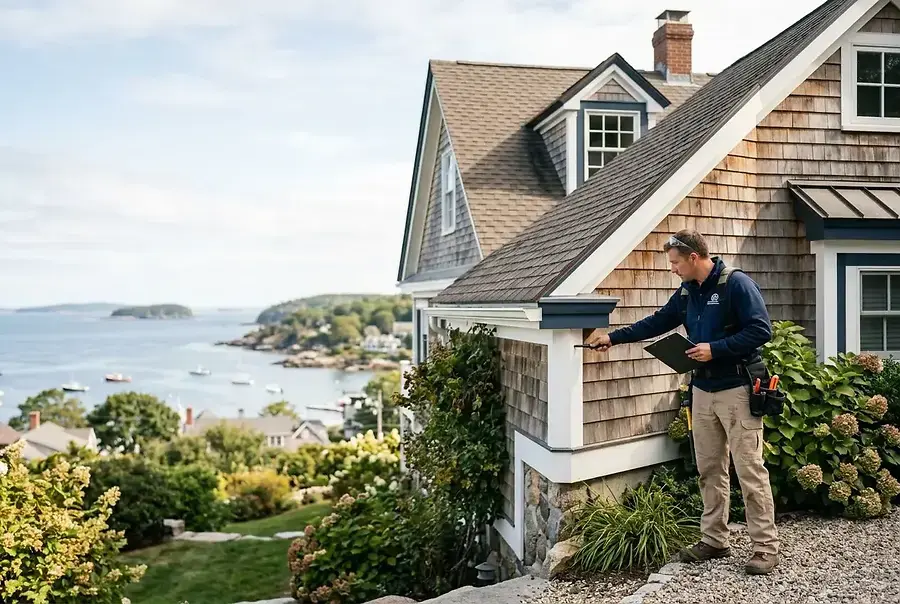
The Importance of a Professional Home Inspection in Camden
Purchasing a home is one of the most significant financial decisions you'll make in your lifetime. In Camden's competitive real estate market, a professional home inspection serves as your safeguard against unexpected repairs and costly surprises. Whether you're buying a charming Victorian cottage or a modern waterfront property, a thorough inspection provides peace of mind and valuable information about your potential investment.
A home inspection is an objective, non-invasive examination of a property's physical structure and systems. Licensed inspectors evaluate everything from the foundation to the roof, identifying any issues that could affect the home's safety, functionality, or value. In Camden, where many homes feature unique architectural styles and age-old construction methods, this professional assessment becomes even more critical.
Why skip this crucial step? Without an inspection, you could inherit problems ranging from minor maintenance issues to major structural concerns. The inspection report gives you leverage in negotiations and helps you make an informed decision about whether to proceed with the purchase.
What Inspectors Look For: Common Issues in Coastal Maine Homes
Structural and Foundation Concerns
Coastal Maine homes face unique challenges due to the region's climate and environmental conditions. Inspectors carefully examine foundations for cracks, settling, and water damage—particularly important in Camden where freeze-thaw cycles can be harsh. They assess the structural integrity of walls, beams, and support systems that may have been compromised by age or moisture exposure.
Moisture and Water Damage
Living near the coast means dealing with moisture. Inspectors look for:
- Roof leaks and damaged shingles
- Water stains on ceilings and walls
- Mold growth in basements and crawl spaces
- Compromised window and door seals
- Inadequate drainage around the foundation
These issues are particularly prevalent in older Camden homes and can lead to expensive repairs if left unaddressed.
Electrical and Plumbing Systems
Inspectors evaluate the home's electrical panel, wiring, and outlets to ensure they meet current safety standards. Older homes may have outdated systems that need upgrading. Plumbing inspections include checking for leaks, corrosion, water pressure issues, and the condition of pipes—especially important in homes with aging copper or galvanized steel systems.
Heating and Cooling Systems
In Maine's climate, a reliable heating system is essential. Inspectors test furnaces, heat pumps, and other climate control systems to ensure they're functioning properly and safely. They also evaluate insulation levels, which directly impact energy efficiency and heating costs.
Roof and Exterior Condition
The roof is your home's first line of defense against the elements. Inspectors assess shingle condition, flashing integrity, gutters, and downspouts. They also examine siding, windows, doors, and decks for signs of rot, damage, or deterioration.
Negotiating Repairs and Credits After Your Inspection Report
Understanding Your Inspection Report
Once the inspection is complete, you'll receive a detailed report outlining all findings. Issues are typically categorized by severity—from minor cosmetic concerns to major structural problems. Take time to understand each item and ask your inspector questions about anything unclear.
Developing Your Negotiation Strategy
You have several options after receiving the inspection report:
- Request repairs: Ask the seller to fix major issues before closing
- Request credits: Negotiate a reduction in the purchase price to cover repairs yourself
- Request a combination: Have the seller address critical issues while providing credits for minor repairs
- Walk away: If issues are too severe, you may choose to terminate the purchase
In Camden's market, sellers are often willing to negotiate, especially on significant repairs. Focus your requests on items that affect safety, structural integrity, or major systems. Minor cosmetic issues are typically less negotiable.
Working with Your Real Estate Agent
Your real estate agent is invaluable during negotiations. They understand local market conditions and can advise on which requests are reasonable. They'll present your concerns professionally to the seller's agent and help facilitate productive discussions.
"A well-documented inspection report gives you the evidence needed to support your negotiation requests. Sellers are more likely to respond positively when presented with professional findings rather than general concerns."
Moving Forward: Next Steps After Your Inspection
If Repairs Are Approved
Once the seller agrees to repairs, ensure they're completed by a licensed contractor before closing. Request receipts and warranties for all work performed. You may want to conduct a final walk-through inspection to verify that repairs meet your expectations and local building codes.
If You're Handling Repairs Yourself
If you've negotiated a credit instead of repairs, obtain multiple quotes from qualified contractors. Budget for contingencies—coastal Maine homes often reveal additional issues once work begins. Keep all documentation for warranty and insurance purposes.
Final Steps Before Closing
Schedule a final walk-through of the property to ensure agreed-upon repairs are complete and the home's condition hasn't changed. Review your inspection report one more time and confirm all negotiated items have been addressed. This is your last opportunity to identify any concerns before you take ownership.
Protecting Your Investment Long-Term
After closing, maintain detailed records of all inspections, repairs, and maintenance. Schedule regular professional inspections every few years to catch emerging issues early. In Camden's coastal environment, annual maintenance checks are particularly valuable for identifying moisture-related problems before they become serious.
A home inspection is not just a formality—it's a critical investment in your peace of mind and financial security. By understanding the inspection process, knowing what to expect, and using the information strategically, you'll make a confident, informed decision about your Camden home purchase.