Understanding the Home Inspection Process and Timeline
A home inspection is one of the most critical steps in the home buying process, serving as your professional evaluation of a property's condition before you commit to the purchase. In Central Ohio, most home inspections take place within 7-10 days after an offer is accepted, though this timeline can be negotiated based on your specific circumstances.
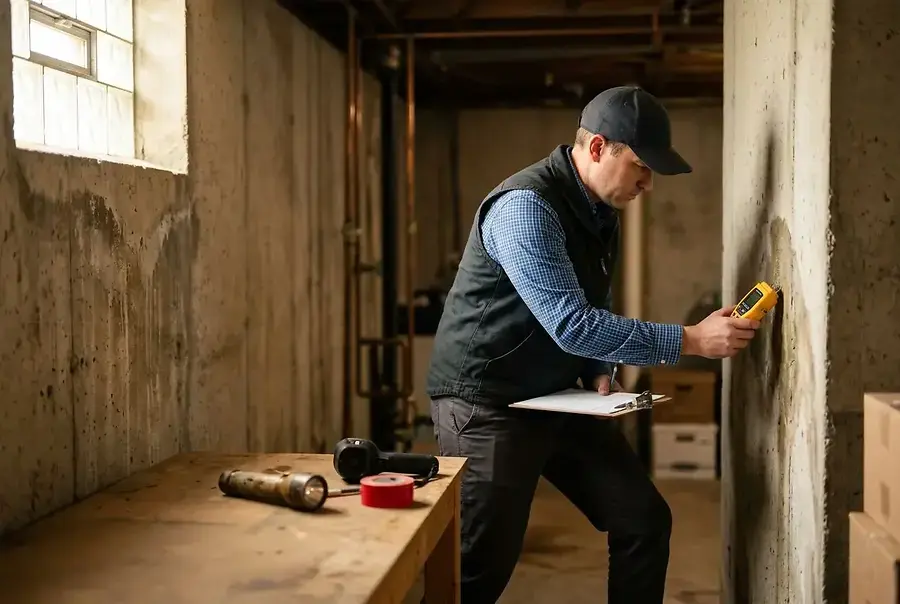
During a typical inspection, a certified home inspector will spend 2-4 hours thoroughly examining the property. The inspector will evaluate the structural integrity, mechanical systems, electrical components, plumbing, roofing, and overall safety features of the home. As a buyer, you have the right to be present during the inspection, and it's highly recommended that you attend to ask questions and gain firsthand knowledge about the property.
What to Expect During Your Inspection
The inspector will provide you with a detailed written report, typically delivered within 24-48 hours of the inspection. This report includes photographs, descriptions of any defects found, and recommendations for repairs or further evaluation. Understanding this report is crucial for making informed decisions about your purchase.
Critical Items Inspectors Evaluate in Central Ohio Homes
Central Ohio homes, many of which were built in the mid-20th century, require careful evaluation of specific systems and components that are particularly relevant to our region's climate and construction standards.
Structural Components
- Foundation integrity and signs of settling or water damage
- Basement conditions, including moisture and mold presence
- Roof condition, age, and remaining lifespan
- Exterior walls, siding, and window frames
Mechanical and Electrical Systems
Heating and cooling systems are particularly important in Ohio, where winters can be harsh and summers humid. Inspectors will evaluate furnace age, efficiency, and functionality. They'll also check air conditioning units, ductwork, and ventilation systems.
Electrical systems are examined for safety compliance, including panel capacity, grounding, and the presence of outdated wiring. Older homes in Central Ohio may still have aluminum wiring or knob-and-tube systems, which can pose fire hazards.
Plumbing and Water Systems
- Water main condition and material (galvanized, copper, or PVC)
- Drain and sewer line functionality
- Water heater age and condition
- Presence of lead pipes or fixtures
- Water pressure and quality testing
Common Issues Found in Ohio Properties and How to Address Them
Water Intrusion and Basement Issues
One of the most prevalent problems in Central Ohio homes is water intrusion, particularly in basements. Cracks in foundations, improper grading, and inadequate drainage systems can lead to costly water damage. If your inspection reveals water stains or active moisture, request a specialized inspection from a waterproofing expert before proceeding.
Aging Roofing Systems
Many Central Ohio homes have roofs that are 15-20 years old or older. While some roofs can last 25-30 years with proper maintenance, inspectors will assess shingle condition, flashing integrity, and ventilation. A roof replacement can cost $8,000-$15,000, making this a significant negotiation point.
Outdated Electrical and Plumbing
Homes built before 1980 often have electrical systems that don't meet modern demands. Insufficient outlets, outdated panels, and inadequate grounding are common findings. Similarly, older plumbing systems may have corroded pipes or low water pressure issues that require replacement.
HVAC System Age
Furnaces and air conditioning units typically last 15-20 years. If your inspection reveals systems approaching the end of their lifespan, factor replacement costs into your negotiation strategy. A new HVAC system can range from $5,000-$10,000.
Mold and Indoor Air Quality
Ohio's humid climate creates conditions favorable for mold growth. While some mold is normal, extensive mold indicates moisture problems that need addressing. Request mold testing if the inspector notes significant growth or musty odors.
Using Inspection Results to Negotiate and Close with Confidence
Prioritizing Repair Requests
Not every finding in an inspection report requires immediate action. Focus on major structural issues, safety concerns, and systems that affect the home's livability. Minor cosmetic issues or maintenance items can often be overlooked or addressed after closing.
Categorize findings into three groups:
- Critical Issues: Safety hazards, major structural problems, or system failures that must be addressed before closing
- Important Issues: Significant repairs needed within 1-2 years, such as roof replacement or electrical upgrades
- Minor Issues: Maintenance items or cosmetic concerns that can be addressed over time
Negotiation Strategies
Armed with your inspection report, you have several options for negotiation:
- Request the seller make repairs before closing
- Ask for a credit toward closing costs to handle repairs yourself
- Request a price reduction reflecting the cost of repairs
- Negotiate a combination of repairs and credits
Be reasonable in your requests. Sellers are more likely to cooperate if you focus on legitimate safety and structural concerns rather than demanding perfection.
Final Walk-Through and Closing
Before closing, conduct a final walk-through to verify that agreed-upon repairs have been completed satisfactorily. Request documentation of any work performed, including contractor invoices and warranties.
Never skip the home inspection, even if the property appears to be in excellent condition. A professional inspection provides peace of mind and protects your investment in Central Ohio's competitive real estate market. By understanding what inspectors evaluate and how to use their findings, you'll close on your new home with confidence and clarity.
A thorough home inspection is your best defense against unexpected repairs and costly surprises after closing. Invest in this critical step to protect your most significant financial investment.
