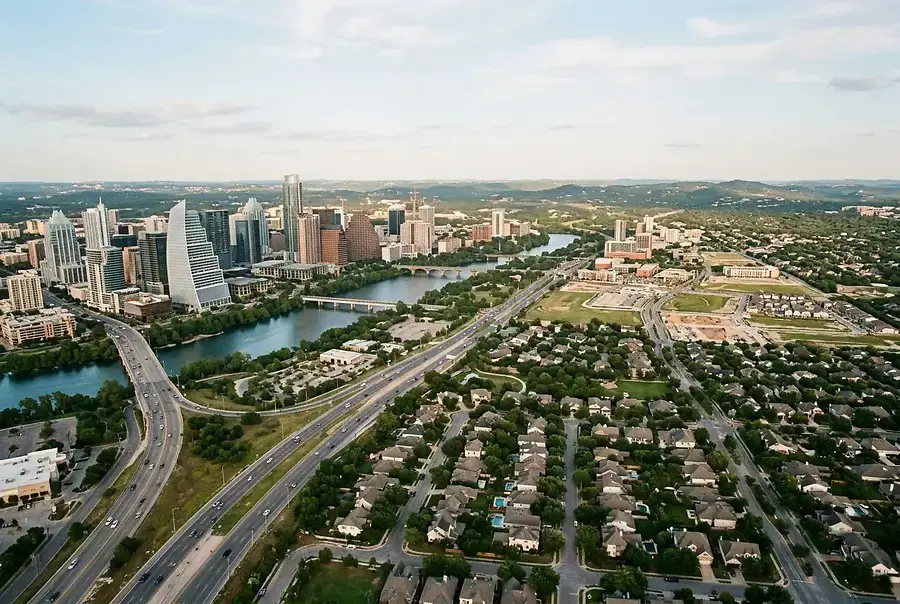
Understanding Central Texas Real Estate Price Variations
The Central Texas real estate market is as diverse as its landscape, with home values fluctuating dramatically depending on location, amenities, and growth potential. Whether you're a first-time homebuyer, an investor, or someone looking to relocate, understanding these price variations is crucial to making an informed decision. The region has experienced significant growth over the past several years, attracting residents from across the nation who are drawn to the area's vibrant culture, strong job market, and quality of life.
Home prices in Central Texas tell a compelling story of urban development, suburban expansion, and economic opportunity. From the heart of Austin's bustling neighborhoods to the peaceful communities on the outskirts, each market segment offers distinct advantages and price points. This guide will help you navigate the complex landscape of Central Texas real estate and identify where your investment makes the most sense.
Price Analysis by Market: From Austin Core to Emerging Suburbs
Downtown Austin and Central Neighborhoods
Downtown Austin and its surrounding central neighborhoods represent the premium end of the Central Texas market. These areas command the highest prices due to their proximity to employment centers, entertainment venues, restaurants, and cultural attractions. Properties in neighborhoods like South Congress, East Austin, and West Lake Hills typically range from $600,000 to over $2 million, depending on size and condition.
The appeal of central Austin lies in its walkability, vibrant community atmosphere, and established infrastructure. Young professionals and empty nesters often gravitate toward these areas, willing to pay premium prices for convenience and lifestyle benefits.
North Austin and Northwest Suburbs
Moving north and northwest, you'll find communities like Cedar Park, Leander, and Round Rock offering more moderate pricing while maintaining excellent schools and amenities. Home prices in these areas typically range from $400,000 to $800,000. These suburbs have experienced explosive growth, attracting families seeking space, quality education, and a sense of community without the downtown price tag.
South Austin and Suburban Expansion
South Austin communities, including Kyle and Buda, represent some of the most affordable options in the region while still offering strong growth potential. Prices here generally range from $300,000 to $550,000, making these areas attractive for budget-conscious buyers and investors anticipating future appreciation. These emerging suburbs are rapidly developing with new schools, shopping centers, and employment opportunities.
East Austin and Georgetown
Georgetown, located north of Austin, offers a charming small-town atmosphere with reasonable prices ranging from $350,000 to $650,000. East Austin neighborhoods provide a mix of urban convenience and affordability, with prices typically between $400,000 and $750,000. Both areas are experiencing revitalization and attracting younger demographics seeking authentic community experiences.
West Lake Hills and Westlake
For those seeking luxury and prestige, West Lake Hills and the Westlake area offer some of the most exclusive properties in Central Texas. These established, affluent communities feature homes ranging from $1 million to $5 million or more. The appeal includes top-rated schools, scenic views, and proximity to both Austin's amenities and Hill Country attractions.
Factors Driving Value Differences: Location, Amenities, and Growth Potential
Location and Accessibility
Location remains the primary driver of home values in Central Texas. Properties closer to major employment centers, particularly the tech corridor along I-35 and the Domain area, command premium prices. Commute times significantly impact property values, with shorter commutes to downtown Austin or major business parks justifying higher prices.
School Districts and Education Quality
School quality is a major factor influencing home prices, particularly for families with children. Highly-rated school districts in areas like Westlake, Round Rock, and Cedar Park consistently see higher property values. Parents are willing to invest more for access to excellent educational institutions, making school ratings a critical consideration in the pricing equation.
Amenities and Lifestyle Features
Communities offering superior amenities—such as parks, recreation centers, shopping districts, and dining options—typically command higher prices. The presence of established infrastructure, including reliable utilities, broadband connectivity, and public services, also influences property values. Neighborhoods with distinctive character and community engagement often see stronger appreciation.
Growth Potential and Development
Emerging suburbs like Kyle and Buda attract investors because of their significant growth potential. As these areas develop with new infrastructure, businesses, and services, property values tend to appreciate. Identifying communities on the cusp of major development can offer excellent investment opportunities for those with a longer time horizon.
Economic Factors and Job Market
Central Texas's robust job market, particularly in technology, healthcare, and professional services, drives demand for housing. Areas with strong employment opportunities and diverse economic bases tend to see more stable and appreciating property values. The region's continued economic growth supports sustained housing demand.
Market Dynamics and Supply
Limited housing inventory in desirable central locations keeps prices elevated, while newer suburban developments with more available inventory may offer better value. Understanding supply and demand dynamics in specific neighborhoods helps identify whether prices are likely to appreciate or stabilize.
Making an Informed Investment Decision in Central Texas
Choosing where to buy in Central Texas requires balancing multiple factors: your budget, lifestyle preferences, investment timeline, and long-term goals. Consider these key questions:
- What is your budget? Determine your price range and explore which markets offer the best value within your means.
- What are your lifestyle priorities? Do you value walkability, schools, space, or community character? Different neighborhoods excel in different areas.
- What is your investment timeline? Short-term buyers may prioritize current amenities, while long-term investors should focus on growth potential.
- How important is commute time? Consider your workplace location and whether you're willing to trade commute time for affordability or lifestyle benefits.
- What about future development? Research planned infrastructure projects and development in your target area to anticipate future changes.
Central Texas offers something for everyone, from urban professionals seeking downtown convenience to families wanting suburban space and excellent schools, to investors hunting for emerging opportunities. By understanding the price variations across the region's key markets and the factors driving those differences, you can make a confident, informed decision that aligns with your needs and financial goals.
The Central Texas real estate market continues to evolve, offering diverse opportunities across multiple price points and communities. Whether you're looking to establish roots in a vibrant urban neighborhood or invest in an emerging suburban community, the region's dynamic market provides options for virtually every buyer and investor.