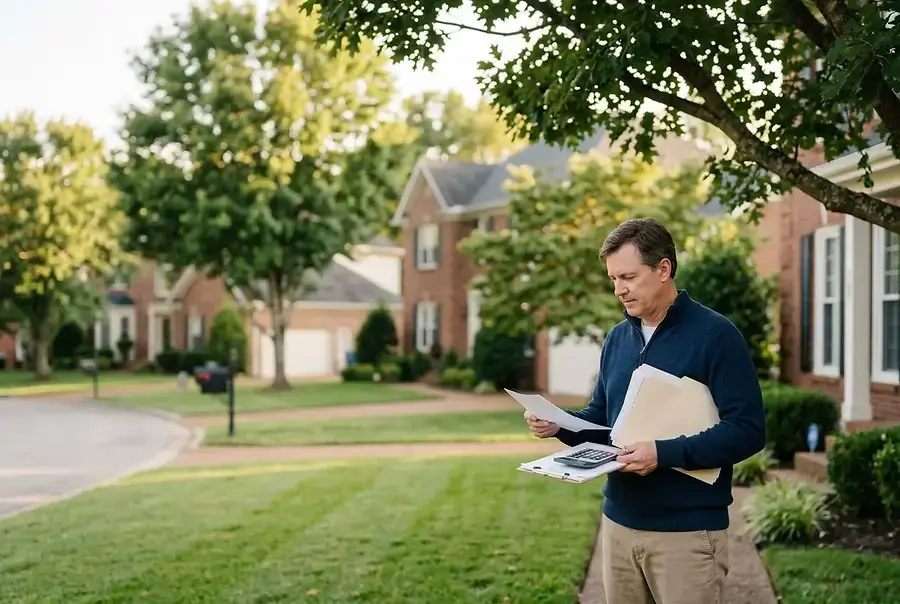
Understanding Goodlettsville's Property Tax Assessment Process
Property tax assessments in Goodlettsville are conducted by the local assessor's office to determine the fair market value of residential properties. This valuation directly impacts the amount of property taxes homeowners must pay annually. Understanding how this process works is the first step toward identifying potential overvaluations and preparing an effective appeal.
The assessment process typically involves physical inspections of properties, analysis of comparable sales data, and evaluation of property characteristics such as square footage, condition, age, and location. Assessors use standardized methods to ensure consistency across the municipality, but errors and overestimations do occur. Many homeowners are unaware that they have the right to challenge these assessments if they believe the valuation is inaccurate.
How Assessments Are Calculated
Goodlettsville assessors use a combination of the sales comparison approach, cost approach, and income approach to determine property values. The sales comparison method looks at recent sales of similar properties in the area. The cost approach estimates the value based on replacement cost minus depreciation. Understanding these methods helps homeowners identify where discrepancies might exist in their assessment.
Common Reasons Property Taxes Are Overestimated
Property tax overestimations are more common than many homeowners realize. Several factors can contribute to inflated assessments that may warrant an appeal.
Inaccurate Property Information
One of the most frequent causes of overestimation is incorrect property data in the assessor's records. This might include:
- Miscalculated square footage
- Incorrect number of bedrooms or bathrooms
- Failure to account for property damage or deterioration
- Outdated information from previous owners
- Errors in lot size or boundary measurements
Reviewing your property record card from the assessor's office is essential. Many homeowners discover significant errors simply by comparing the official record to their actual property specifications.
Market Conditions and Comparable Sales
Assessments may not always reflect current market conditions accurately. If your neighborhood has experienced a decline in property values or if the assessor used inappropriate comparable sales for valuation, your assessment could be inflated. Properties in different neighborhoods or with significantly different characteristics should not be used as comparables for your home.
Property Condition Issues
Assessors may not account for significant structural problems, outdated systems, or necessary repairs. If your home requires substantial maintenance or has deferred repairs, the assessment might not reflect these depreciation factors adequately.
Step-by-Step Guide to Filing a Tax Appeal
Filing a property tax appeal in Goodlettsville involves several important steps. Following this process carefully increases your chances of a successful outcome.
Step 1: Gather Documentation
Before filing an appeal, compile comprehensive documentation supporting your case:
- Your property record card from the assessor's office
- Recent home inspection reports or appraisals
- Photographs documenting property condition
- Comparable sales data for similar properties in your area
- Documentation of any property damage or needed repairs
- Previous assessment records to show assessment history
Pro tip: Obtain a professional appraisal if you believe your assessment is significantly overvalued. This provides strong evidence for your appeal.
Step 2: Review the Assessment Notice
Carefully examine your property tax assessment notice for the appeal deadline. In Goodlettsville, there are specific timeframes within which appeals must be filed. Missing this deadline could forfeit your right to appeal for that tax year.
Step 3: File Your Appeal
Submit your appeal to the appropriate local authority, typically the Board of Equalization or Assessment Appeals Board. Include all supporting documentation and a clear explanation of why you believe the assessment is inaccurate. Be specific about the discrepancies you've identified and provide evidence to support your position.
Step 4: Prepare for the Hearing
If your appeal proceeds to a hearing, prepare a clear presentation of your case. Organize your evidence logically and be ready to discuss specific reasons for the overvaluation. Practice your presentation beforehand to ensure you communicate effectively within any time limits imposed.
Working with Local Assessors and Next Steps After Appeal
Effective communication with local assessors can sometimes resolve disputes without a formal hearing. Many assessors are willing to discuss concerns and may adjust assessments if errors are clearly documented.
Communicating with the Assessor's Office
Before filing a formal appeal, consider scheduling a meeting with the assessor's office. Bring your documentation and discuss your concerns professionally. If the assessor agrees that an error exists, they may adjust your assessment informally, saving you time and effort.
"Many property tax disputes can be resolved through open communication and documented evidence. Don't hesitate to reach out to your local assessor's office to discuss your concerns."
Understanding Appeal Outcomes
After your appeal is heard, you'll receive a decision. Possible outcomes include:
- Assessment Reduced: Your property value is lowered, resulting in lower property taxes
- Assessment Upheld: The original assessment stands with no changes
- Assessment Increased: In rare cases, assessments may be adjusted upward if errors are found
Next Steps if Your Appeal is Denied
If your appeal is unsuccessful at the local level, you may have additional options. Some jurisdictions allow further appeals to higher authorities or courts. Consult with a property tax professional or attorney to understand your options and whether pursuing further appeals is cost-effective for your situation.
Staying Proactive
Even if your current appeal is successful, remain vigilant about future assessments. Review your assessment notice annually and keep records of any property improvements or changes. Staying informed and proactive helps protect your property investment and ensures fair tax treatment year after year.
Challenging a property tax assessment may seem daunting, but with proper documentation and understanding of the process, many Goodlettsville homeowners successfully reduce their tax burden. Take action today to review your assessment and determine if an appeal is warranted for your situation.