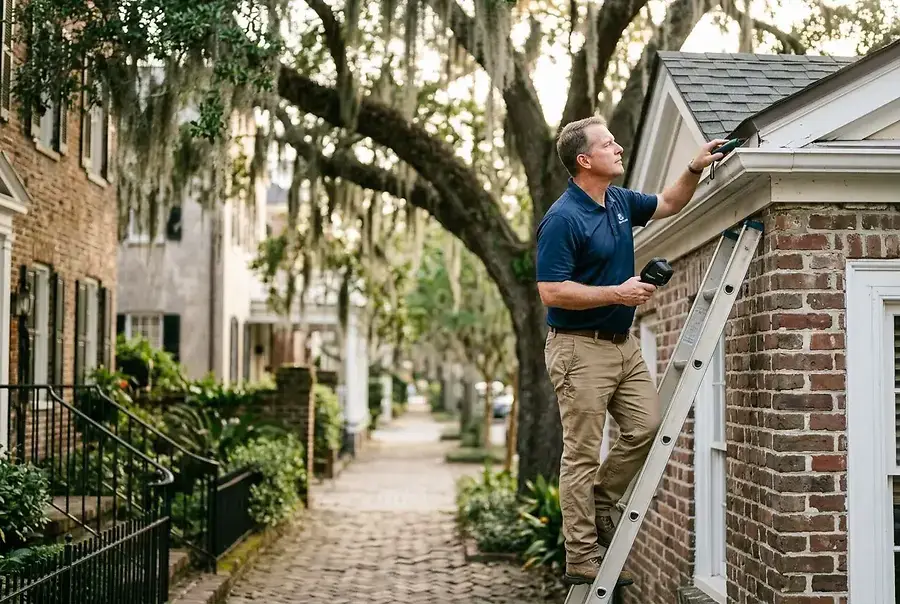
Understanding Charleston's Climate-Related Home Inspection Priorities
Charleston's subtropical climate presents unique challenges for homeowners that go beyond standard inspection checklists. The combination of high humidity, salt air, and intense summer heat creates specific vulnerabilities that buyers must understand before making their investment.
Moisture and Humidity Concerns
One of the most critical issues in Charleston homes is moisture intrusion. The region's high humidity levels can lead to mold growth, wood rot, and structural damage if not properly managed. During your inspection, pay special attention to:
- Crawl spaces and basements – Look for standing water, dampness, or inadequate drainage systems
- Attic ventilation – Ensure proper airflow to prevent moisture accumulation
- Foundation cracks – These can allow water seepage during heavy rains
- HVAC systems – Verify that dehumidification is functioning properly
Salt Air and Corrosion Damage
Living near the coast means dealing with salt air that accelerates corrosion of metal components. Your inspector should examine:
- Metal roof components and flashing for rust or deterioration
- HVAC units and outdoor equipment for corrosion
- Electrical systems and connections for salt-related damage
- Exterior hardware and fasteners
Key Structural and Systems Inspections for Historic and Modern Charleston Homes
Historic Home Considerations
Charleston's historic homes are treasured assets, but they require specialized inspection knowledge. Many older properties feature:
- Original foundation systems – Often made of tabby or brick that may have settled over centuries
- Outdated electrical systems – Knob-and-tube wiring or insufficient capacity for modern needs
- Plumbing concerns – Original cast iron pipes that may be corroded or failing
- Structural integrity issues – Sagging floors, compromised joists, or weakened support beams
Ensure your inspector has experience with historic properties and understands preservation standards. This expertise is invaluable when evaluating whether repairs are necessary or if certain conditions are acceptable for older homes.
Modern Home Systems
Newer Charleston homes should be inspected for:
- Roof condition – Verify proper installation and adequate lifespan remaining
- HVAC efficiency – Ensure systems are properly sized for the climate
- Insulation and air sealing – Critical for managing humidity and energy costs
- Plumbing and electrical – Check for code compliance and proper installation
- Drainage systems – Confirm gutters, downspouts, and grading direct water away from the foundation
Universal Inspection Points
Regardless of age, every Charleston home inspection should include:
- Termite and pest damage assessment
- Radon testing (especially important in certain areas)
- Water heater condition and capacity
- Septic system evaluation (if applicable)
- Pool or spa equipment (if present)
How to Evaluate Inspection Reports and Negotiate Repairs
Understanding Your Inspection Report
A comprehensive inspection report should be detailed and easy to understand. Look for:
- Clear categorization – Issues should be organized by severity (critical, major, minor)
- Photographic evidence – Visual documentation of problems found
- Specific locations – Exact areas of concern should be identified
- Recommendations – Suggested repairs or further evaluations needed
Don't hesitate to ask your inspector questions about items you don't understand. A professional inspector should be willing to explain findings and discuss implications for your purchase decision.
Prioritizing Repair Negotiations
Not every inspection finding requires negotiation. Focus your efforts on:
- Safety issues – Electrical hazards, structural problems, or health concerns take priority
- Major systems – Roof, HVAC, plumbing, and electrical problems that are expensive to repair
- Climate-related damage – Moisture issues, mold, or foundation problems specific to Charleston
- Code violations – Any work that doesn't meet current building codes
Negotiation Strategies
When addressing inspection findings with the seller, consider these approaches:
- Request repairs – Ask the seller to fix critical issues before closing
- Request credits – Accept the property as-is but receive a credit toward closing costs
- Request price reduction – Negotiate a lower purchase price to account for needed repairs
- Walk away – If issues are too extensive, you have the right to terminate the contract
Pro tip: Get repair estimates from licensed contractors for major issues. This gives you concrete numbers to use in negotiations and helps you understand the true cost of addressing problems.
Conclusion: Making Informed Decisions Through Professional Home Inspections
A thorough home inspection is one of the most important steps in the Charleston home buying process. By understanding the unique challenges of the local climate, knowing what to look for in both historic and modern homes, and properly evaluating inspection reports, you protect your investment and avoid costly surprises down the road.
Remember that a professional home inspector is your advocate during the buying process. They provide an objective assessment of the property's condition and help you make informed decisions. Take their findings seriously, ask questions, and use the information to negotiate effectively with sellers.
Your Charleston home should be a source of pride and joy, not unexpected expenses. Invest in a quality inspection, understand the results, and move forward with confidence in your purchase decision.