Why Home Inspections Are Critical in Charlotte Real Estate
Purchasing a home is one of the most significant financial decisions you'll make in your lifetime. In Charlotte's competitive real estate market, a professional home inspection serves as your safeguard against costly surprises after closing. A thorough inspection can reveal hidden structural issues, outdated systems, and maintenance concerns that could cost thousands of dollars to repair.
Many first-time homebuyers underestimate the importance of inspections, viewing them as an optional expense. However, this critical step provides you with detailed knowledge about your potential property's condition, allowing you to make informed decisions and negotiate repairs or price adjustments with confidence.
Understanding the Home Inspection Process: Step-by-Step Walkthrough
What to Expect During Your Inspection
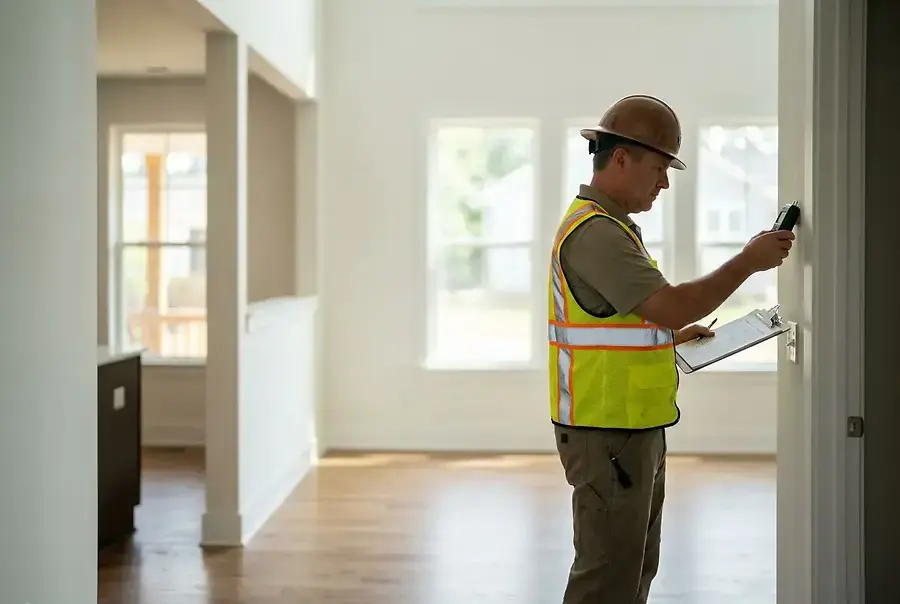
A professional home inspection typically lasts between two to four hours, depending on the property's size and age. The inspector will systematically examine both the interior and exterior of the home, documenting their findings in a comprehensive report.
Key areas covered during a standard inspection include:
- Structural components – Foundation, walls, roof, and framing
- Roofing systems – Condition, age, and remaining lifespan
- Plumbing – Water pressure, drainage, and pipe conditions
- Electrical systems – Panel condition, wiring, and safety compliance
- HVAC systems – Heating, cooling, and ventilation functionality
- Insulation and ventilation – Energy efficiency and moisture control
- Windows and doors – Sealing, operation, and weatherproofing
- Appliances – Functionality and expected lifespan
Preparing for Your Inspection
As a buyer, you have the right to be present during the inspection. This is highly recommended, as it allows you to ask questions directly and understand the inspector's concerns in real-time. Wear comfortable clothing and sturdy shoes, as you'll be walking through attics, basements, and crawl spaces.
Arrive early to discuss any specific concerns with the inspector. If you've noticed particular issues during your showings, mention them so the inspector can pay special attention to those areas.
Common Issues Found in Charlotte Homes and Strategic Solutions
Water Damage and Moisture Problems
Charlotte's humid subtropical climate makes water intrusion a common concern. Inspectors frequently discover water stains in basements, attics, and crawl spaces. If moisture issues are found, request documentation of any previous water damage and ask for proof of remediation. This may warrant a specialized mold inspection or structural assessment.
Roof Concerns
Many Charlotte homes show signs of roof wear due to the region's weather patterns. Missing shingles, improper ventilation, and aging materials are typical findings. Request a detailed roof inspection report and get repair estimates from licensed contractors. If the roof is nearing the end of its lifespan, you can negotiate a credit toward replacement or request repairs before closing.
HVAC System Age and Efficiency
Heating and cooling systems in older Charlotte homes may be outdated or poorly maintained. An inspection might reveal systems that are 15-20 years old and approaching failure. Understanding the age and condition of these systems helps you budget for future replacements and negotiate accordingly.
Foundation and Structural Issues
While severe foundation problems are less common, minor settling and cracks can appear in Charlotte homes. Small hairline cracks are typically normal, but larger cracks or signs of shifting warrant a structural engineer's evaluation. Don't let minor findings alarm you—context matters.
Electrical System Deficiencies
Older homes may have outdated electrical panels or insufficient capacity for modern appliances. Inspectors check for proper grounding, adequate outlets, and code compliance. If upgrades are needed, obtain contractor estimates to include in your negotiation strategy.
Plumbing Issues
Aging pipes, water pressure problems, and outdated fixtures are common findings. Galvanized pipes in homes built before the 1980s may need replacement, which can be a significant expense. Ask the inspector about the plumbing system's age and expected lifespan.
Using Inspection Results to Negotiate and Close Confidently
Reviewing Your Inspection Report
Once you receive the inspection report, take time to review it thoroughly. Reports are typically organized by severity level, making it easy to identify critical issues versus minor concerns. Don't panic over every finding—inspectors document everything, including cosmetic issues and normal wear-and-tear.
Prioritizing Your Concerns
Categorize findings into three groups: critical issues that affect safety or structural integrity, significant repairs that require professional attention, and minor maintenance items that are typical for homes of that age.
Focus your negotiation efforts on the critical and significant categories. Minor issues like caulking, paint touch-ups, or filter replacements shouldn't derail your purchase.
Negotiation Strategies
You have several options when addressing inspection findings:
- Request repairs – Ask the seller to fix critical issues before closing
- Negotiate a credit – Receive a monetary credit to handle repairs yourself
- Request a price reduction – Lower the purchase price to account for needed repairs
- Accept as-is – Proceed without changes if issues are minor or acceptable to you
Work with your real estate agent to determine which approach makes sense for your situation. In Charlotte's market, sellers are often willing to negotiate on significant repairs, especially if they're documented by a professional inspector.
Moving Forward with Confidence
A comprehensive home inspection empowers you to make decisions based on facts rather than emotions. Whether you negotiate repairs, credits, or price adjustments, you're protecting your investment and avoiding costly surprises down the road.
Remember: A home inspection isn't about finding reasons to walk away—it's about understanding what you're buying and ensuring you're making a sound financial decision. With this knowledge in hand, you can close on your Charlotte home with confidence and peace of mind.