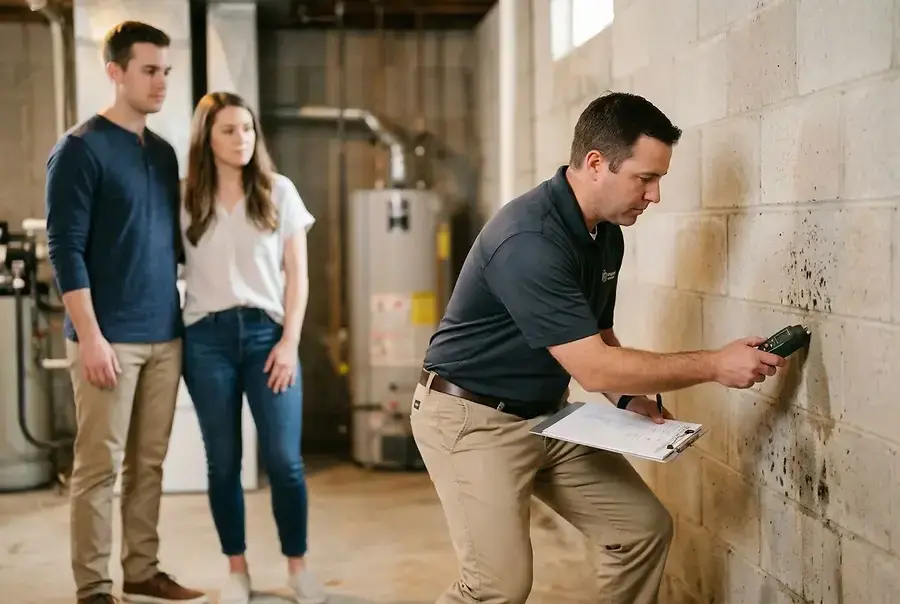
Understanding the Home Inspection Process in Charlotte
A home inspection is one of the most critical steps in the home buying process. It provides you with a comprehensive evaluation of the property's condition before you commit to the purchase. In Charlotte's competitive real estate market, understanding this process can save you thousands of dollars and prevent costly surprises down the road.
The typical home inspection in Charlotte takes between two to four hours, depending on the property's size and age. A licensed inspector will examine the home's major systems and components, including:
- Structural integrity - Foundation, walls, and roof condition
- Electrical systems - Wiring, panels, and outlets
- Plumbing - Pipes, fixtures, and water pressure
- HVAC systems - Heating, cooling, and ventilation
- Appliances - Included items and their functionality
- Insulation and ventilation - Energy efficiency factors
- Interior and exterior - Walls, ceilings, floors, and landscaping
As a buyer, you have the right to be present during the inspection. This is an excellent opportunity to ask questions and learn about the home's maintenance history. Many Charlotte inspectors are happy to explain their findings in real-time, helping you understand what you're purchasing.
Common Issues Found in Charlotte Homes and Red Flags to Watch For
Climate-Related Concerns
Charlotte's humid subtropical climate creates specific challenges for homeowners. Water damage and moisture intrusion are among the most common issues found in local inspections. Look for signs of mold, water stains, or soft wood in basements, attics, and crawl spaces. These issues can be expensive to remediate and may indicate larger structural problems.
Aging Infrastructure
Many Charlotte neighborhoods feature homes built decades ago. Older homes often have outdated electrical systems that may not meet current safety standards. Knob-and-tube wiring or aluminum wiring can be fire hazards and may require complete replacement. Additionally, aging roofs are common in the area—most roofs last 20-25 years, so homes built before 2000 may need replacement soon.
HVAC and Insulation Issues
Given Charlotte's hot summers and mild winters, HVAC system efficiency is crucial. Inspectors frequently find undersized or poorly maintained air conditioning units. Inadequate insulation in attics is another red flag that will increase your energy bills significantly.
Foundation and Structural Problems
While not as common as in other regions, foundation settling and soil erosion can occur in Charlotte. Look for cracks in the foundation, uneven floors, or doors that don't close properly. These signs warrant a more detailed structural assessment.
"A thorough home inspection is your best defense against unexpected repairs. Don't skip this step or rush through it—your investment depends on it."
How to Negotiate After Your Inspection Report
Review and Prioritize Findings
Once you receive the inspection report, take time to review it carefully. Separate major issues from minor cosmetic concerns. Major issues include structural problems, electrical hazards, plumbing failures, and HVAC breakdowns. Minor issues might include cosmetic damage, worn caulking, or outdated fixtures.
Get Repair Estimates
Before negotiating, obtain written estimates from licensed contractors for significant repairs. This gives you concrete numbers to present to the seller. In Charlotte's market, sellers often appreciate buyers who come prepared with professional estimates rather than inflated repair costs.
Negotiation Strategies
You have several options when addressing inspection findings:
- Request repairs - Ask the seller to fix issues before closing
- Request credits - Negotiate a reduction in the purchase price to cover repairs
- Request a combination - Have the seller fix major issues while providing credits for minor ones
- Walk away - If issues are too extensive, you may choose to terminate the contract
In Charlotte's market, sellers are often willing to negotiate, especially if you present professional documentation. Focus your negotiations on items that affect safety, functionality, or long-term value. Cosmetic issues are typically less negotiable.
Work with Your Real Estate Agent
Your real estate agent is invaluable during negotiations. They understand local market conditions and can advise you on what's reasonable to request. They'll also help you communicate professionally with the seller's agent, keeping emotions out of the discussion.
Moving Forward: Next Steps After Inspection
Final Walkthrough
Before closing, conduct a final walkthrough of the property. Verify that any agreed-upon repairs have been completed satisfactorily. Check that all appliances and fixtures that were supposed to remain are still present. This is your last chance to catch any issues before you take ownership.
Title Search and Insurance
While inspections focus on the physical property, don't neglect the title search. Ensure there are no liens or claims against the property. Obtain homeowners insurance quotes and finalize your policy before closing day.
Plan Your Maintenance
Use the inspection report as a maintenance roadmap. Even if issues weren't significant enough to negotiate, knowing about them helps you plan future repairs and budget accordingly. Schedule regular maintenance for HVAC systems, plumbing, and roofing to prevent costly problems.
Keep Documentation
Preserve your inspection report and all related documents. These will be valuable for future reference, insurance claims, and when you eventually sell the home. They also help you track the property's condition over time.
By understanding the home inspection process, recognizing common Charlotte-area issues, and negotiating effectively, you're taking control of one of the largest purchases of your life. A thorough inspection protects your investment and gives you peace of mind as you settle into your new Charlotte home.
