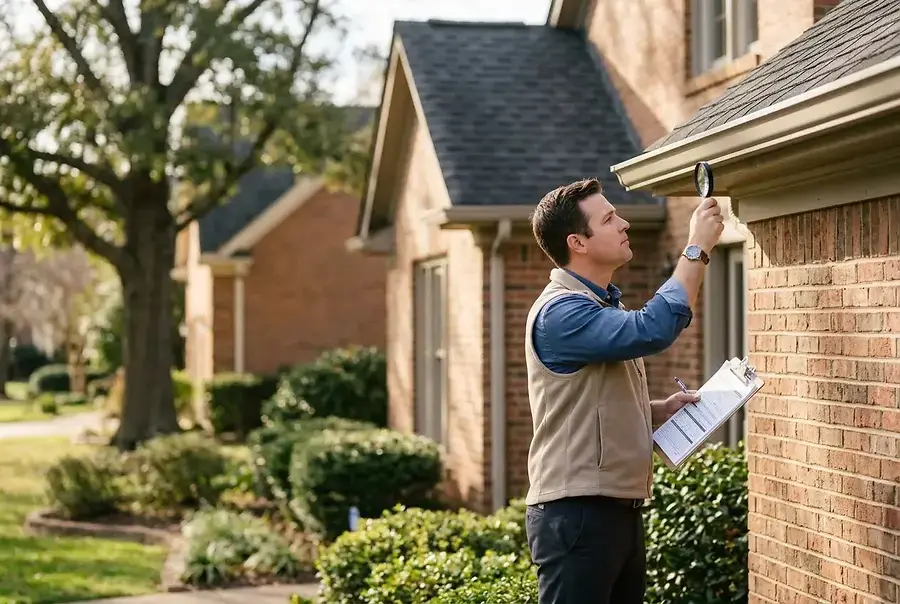
Understanding the Home Inspection Process in Charlotte
A home inspection is one of the most critical steps in the home-buying process. In Charlotte, professional home inspectors conduct a thorough examination of a property's structural integrity, systems, and components. This typically takes 2-4 hours and costs between $300-$500, depending on the home's size and age.
During the inspection, a certified inspector will evaluate everything from the foundation to the roof. They'll test electrical systems, plumbing, HVAC units, and appliances. The goal is to identify any existing problems or potential issues that could affect the property's value or safety. As a buyer, you have the right to be present during the inspection—and you should be. This gives you the opportunity to ask questions and understand the property's condition firsthand.
Charlotte's climate and local building practices make certain inspections particularly important. The region experiences humidity and occasional severe weather, which can impact structural integrity and roofing conditions. Understanding these local factors helps you know what to prioritize during your inspection.
Key Areas Inspectors Examine and Red Flags to Watch For
Foundation and Structural Components
The foundation is the backbone of any home. Inspectors look for cracks, settling, water damage, and signs of foundation movement. Watch for diagonal cracks, bowing walls, or uneven floors—these can indicate serious structural problems that require expensive repairs.
Roof and Attic
Charlotte's weather demands a solid roof. Inspectors examine shingles, flashing, gutters, and the attic for proper ventilation. Red flags include missing shingles, water stains, mold growth, or inadequate insulation. A roof replacement can cost $10,000 or more, so this area deserves careful attention.
Electrical Systems
Outdated or faulty electrical systems pose safety hazards and may not support modern appliances. Inspectors check the panel, wiring, outlets, and grounding. Be concerned if you see aluminum wiring, outdated panels, or insufficient outlets—these upgrades can be costly.
Plumbing and Water Systems
Inspectors test water pressure, check for leaks, and examine pipes for corrosion or damage. Watch for slow drains, water stains, or signs of previous water damage. Old galvanized pipes may need replacement, and water quality issues are common in certain Charlotte neighborhoods.
HVAC Systems
Heating and cooling systems are essential in Charlotte's climate. Inspectors evaluate the age, condition, and efficiency of your HVAC unit. An aging system may need replacement soon, which can cost $5,000-$10,000. Ask about the system's age and maintenance history.
Moisture and Mold
Charlotte's humidity creates ideal conditions for mold growth. Inspectors look for signs of water intrusion, poor drainage, and mold in basements, crawl spaces, and attics. Any visible mold or persistent moisture issues should be taken seriously and may require professional remediation.
How to Review Your Inspection Report and Negotiate Repairs
Understanding Your Report
The inspection report will be detailed and comprehensive. It typically categorizes findings into three levels: safety issues, major repairs, and minor maintenance items. Don't be alarmed by a long list—most homes have some issues. Focus on understanding which problems are critical and which are routine maintenance.
Take time to review the report carefully. Ask your inspector to explain any findings you don't understand. Request photos or videos of problem areas. This documentation will be valuable when negotiating with the seller.
Negotiation Strategies
Once you have the inspection report, you have several options:
- Request repairs: Ask the seller to fix critical issues before closing.
- Request credits: Negotiate a price reduction to cover repair costs yourself.
- Walk away: If major issues exist, you may decide the property isn't worth pursuing.
Focus your negotiations on significant issues—foundation problems, roof damage, electrical hazards, or mold. Don't nickel-and-dime over minor cosmetic issues. Be reasonable in your requests; sellers are more likely to cooperate if you're targeting legitimate safety and structural concerns.
Pro tip: Get repair estimates from licensed contractors before negotiating. This gives you concrete numbers to discuss with the seller.
Protecting Your Investment: Next Steps After Inspection
Document Everything
Keep copies of your inspection report, all communications with the seller, and any repair estimates. This documentation protects you and provides a baseline for future reference. If you discover issues after closing that were visible during inspection, this record is invaluable.
Schedule Follow-Up Inspections
For specific concerns—like potential mold, radon, or pest issues—consider hiring specialists. A radon test costs $150-$300 and could reveal a serious health hazard. Pest inspections are particularly important in Charlotte, where termites and other insects are common.
Plan Your Maintenance
Use the inspection report to create a maintenance schedule. Address any deferred maintenance promptly to prevent small issues from becoming expensive problems. Regular HVAC maintenance, gutter cleaning, and roof inspections will extend your home's lifespan and protect your investment.
Establish an Emergency Fund
Even with a thorough inspection, unexpected issues can arise. Set aside funds for emergency repairs—typically 1-3% of your home's purchase price annually. This safety net ensures you're prepared for any surprises.
A home inspection isn't just about finding problems—it's about gaining peace of mind and making an informed decision about one of the largest investments of your life.
Final Thoughts
Buying a home in Charlotte is an exciting milestone. A professional home inspection is your best defense against costly surprises and hidden problems. By understanding the inspection process, knowing what to look for, and taking action on the findings, you're protecting your investment and ensuring your new home is safe, sound, and ready for your family.
Don't rush this process. Take time to review the report, ask questions, and make informed decisions. Your future self will thank you for the diligence you invest today.