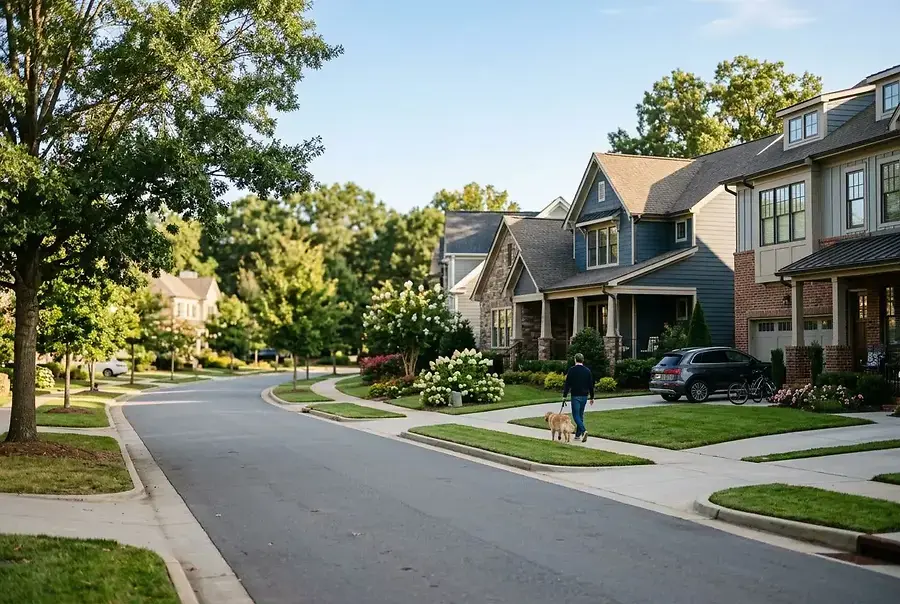
Understanding Charlotte's Rental Market Landscape
Charlotte has emerged as one of the most dynamic rental markets in the Southeast, attracting investors from across the nation. The city's robust economic growth, combined with a steady influx of young professionals and families, has created a favorable environment for residential rental properties. Understanding the current market landscape is essential for any investor looking to capitalize on these opportunities.
The Charlotte rental market is characterized by consistent demand and competitive pricing. Unlike many markets that experience seasonal fluctuations, Charlotte maintains steady tenant interest throughout the year. This stability makes it an ideal location for investors seeking reliable cash flow and long-term appreciation potential.
Market Growth and Economic Drivers
Charlotte's economy is fueled by major corporate headquarters, including Bank of America, Wells Fargo, and numerous financial services firms. This corporate presence attracts a continuous stream of relocating professionals who prefer renting over immediate home purchases. Additionally, the city's growing tech sector and diverse business landscape create multiple employment opportunities, further supporting rental demand.
The population growth in Charlotte has outpaced many comparable markets, with the metropolitan area expanding rapidly. This demographic shift directly translates to increased housing demand and higher occupancy rates for rental properties.
Key Factors Driving Demand for Residential Rentals
Employment Opportunities and Population Growth
Charlotte's job market remains one of the strongest in the nation. Major employers continue to expand operations in the city, attracting talent from across the country. New residents often choose to rent initially, providing investors with a consistent tenant pool. The city's unemployment rate remains below national averages, indicating economic stability and tenant reliability.
Demographic Trends Favoring Rentals
Several demographic factors support the rental market:
- Millennials and Gen Z: These younger generations prefer flexibility and are more likely to rent than previous generations
- Corporate Relocations: Employees transferred to Charlotte often rent before deciding to purchase
- Diverse Housing Preferences: Not all residents want single-family homes; many prefer apartments and townhomes
- Lifestyle Choices: Urban professionals value proximity to amenities over property ownership
Competitive Lease Rates and Rental Income Potential
Charlotte's rental rates have experienced steady growth, with average lease rates remaining competitive compared to other major Southeast markets. Single-family homes typically command higher rents than apartments, while properties in desirable neighborhoods near downtown, South End, and Ballantyne command premium rates.
Investors can expect solid rental income with typical cap rates ranging from 5-7% depending on property location and condition. This return potential, combined with property appreciation, creates compelling investment opportunities.
Strategies for Maximizing Rental Property Returns
Strategic Property Selection and Location Analysis
Location is paramount in the rental market. Focus on neighborhoods with strong employment centers, good schools, and convenient access to amenities. High-demand areas include:
- South End – Urban lifestyle with walkable streets and entertainment
- Ballantyne – Upscale suburban community with strong corporate presence
- NoDa – Trendy neighborhood attracting young professionals
- University area – Consistent demand from students and young families
- Concord and surrounding suburbs – Family-oriented communities with steady growth
Tenant Screening and Property Management
Successful rental property investment depends heavily on tenant quality. Implement rigorous screening processes including credit checks, employment verification, and rental history review. Quality tenants reduce vacancy rates, minimize maintenance issues, and ensure consistent rent collection.
Consider hiring professional property management to handle tenant relations, maintenance, and rent collection. While this reduces net income slightly, it provides peace of mind and ensures professional operations.
Optimizing Rental Rates and Lease Terms
Research comparable properties in your target neighborhood to set competitive rental rates. Avoid overpricing, which leads to extended vacancies, but don't underprice either. Regular market analysis ensures your rates remain competitive while maximizing income.
Consider lease terms strategically. Longer leases provide stability, while shorter terms allow for rate adjustments. In Charlotte's growing market, annual lease renewals often permit modest rate increases that align with market appreciation.
Property Maintenance and Value Enhancement
Well-maintained properties command higher rents and attract quality tenants. Budget for regular maintenance and strategic upgrades. High-impact improvements include:
- Updated kitchens and bathrooms
- Modern flooring and paint
- Energy-efficient appliances and HVAC systems
- Outdoor space improvements
- Smart home technology features
These enhancements not only increase rental income but also improve property value for future appreciation.
Diversification and Portfolio Building
Rather than concentrating investments in a single property, consider building a diversified portfolio across different neighborhoods and property types. This approach reduces risk and maximizes overall returns. A mix of single-family homes, townhomes, and multi-unit properties provides income stability and growth potential.
Conclusion: Building a Profitable Rental Portfolio
Charlotte's residential rental market presents exceptional opportunities for smart investors. The combination of strong employment growth, steady population increases, and favorable demographic trends creates a foundation for profitable rental investments.
Success requires understanding market dynamics, selecting properties strategically, and implementing professional management practices. By focusing on tenant quality, maintaining properties to high standards, and optimizing rental rates, investors can build substantial wealth through Charlotte's rental sector.
The key to maximizing returns is patience, research, and disciplined execution. Start by thoroughly analyzing neighborhoods, understanding local market conditions, and developing a clear investment strategy. With these fundamentals in place, Charlotte's rental market can provide reliable income and long-term appreciation for years to come.
Whether you're a first-time investor or an experienced portfolio manager, Charlotte offers the economic stability and growth potential needed to build a profitable rental property business.