Introduction: Why Resale Value Matters for Chesapeake Homeowners
For most homeowners in Chesapeake, their property represents one of the largest financial investments they'll ever make. Understanding what drives resale value isn't just about curiosity—it's about protecting your wealth and ensuring your home appreciates over time. Whether you're planning to sell in the near future or thinking decades ahead, knowing the factors that influence your home's worth can help you make smarter decisions about maintenance, improvements, and timing.
The Chesapeake real estate market has shown resilience and steady growth, but not all properties appreciate at the same rate. The difference between a home that gains significant value and one that stagnates often comes down to specific, identifiable factors that savvy homeowners can influence or at least understand.
Key Market Factors Affecting Home Values in Chesapeake
Location and Neighborhood Desirability
Location remains the cornerstone of real estate value. In Chesapeake, certain neighborhoods command premium prices due to their proximity to employment centers, schools, and amenities. Homes near the waterfront, in established communities with strong reputations, or close to major commercial districts tend to appreciate faster than those in less desirable areas.
What makes a neighborhood desirable?
- Quality of local schools and educational institutions
- Proximity to shopping, dining, and entertainment options
- Access to parks, recreational facilities, and green spaces
- Low crime rates and strong community engagement
- Proximity to major employers and transportation corridors
Market Conditions and Economic Trends
The broader Chesapeake economy plays a significant role in home values. Areas experiencing job growth, business expansion, and population increases typically see stronger appreciation. Conversely, economic downturns or industry shifts can impact property values negatively.
Interest rates, mortgage availability, and buyer demand also fluctuate based on national economic conditions. When rates are low and lending is accessible, demand increases, pushing prices upward. Understanding these cycles can help you time your sale strategically.
School District Performance
Families prioritize quality education, making school district ratings a major value driver. Homes in areas served by highly-rated schools consistently sell for more and appreciate faster than comparable homes in lower-performing districts. This factor alone can account for significant differences in resale value.
Property-Specific Elements That Influence Your Home's Worth
Home Condition and Maintenance
A well-maintained home is worth significantly more than a neglected one. Regular upkeep—from roof repairs to HVAC maintenance—prevents costly problems that deter buyers and reduce offers. Preventive maintenance isn't an expense; it's an investment in your home's resale value.
Key areas that impact value:
- Roof condition and remaining lifespan
- HVAC system age and functionality
- Plumbing and electrical systems
- Foundation integrity
- Exterior condition (siding, paint, landscaping)
Home Improvements and Updates
Not all renovations provide equal returns. Strategic improvements that appeal to buyers and address functional needs tend to yield the best ROI. Kitchen and bathroom updates, energy-efficient upgrades, and modern amenities are typically worth the investment.
However, over-personalizing your home—such as installing a niche home theater or highly specialized features—may not pay off when you sell. Focus on improvements that enhance functionality, aesthetics, and energy efficiency.
Home Size and Layout
Square footage matters, but so does how that space is organized. Open floor plans, adequate storage, and functional layouts appeal to modern buyers. Homes with awkward floor plans or poor flow may struggle to appreciate at market rates, even if they have the same square footage as more desirable properties.
Energy Efficiency and Modern Systems
Today's buyers increasingly value energy-efficient homes. Upgrading to ENERGY STAR appliances, improving insulation, installing solar panels, or switching to modern heating systems can significantly boost resale value while reducing your current utility costs.
These improvements also appeal to environmentally conscious buyers and may qualify for tax incentives or rebates, making them financially attractive both now and at resale.
Curb Appeal and Exterior Condition
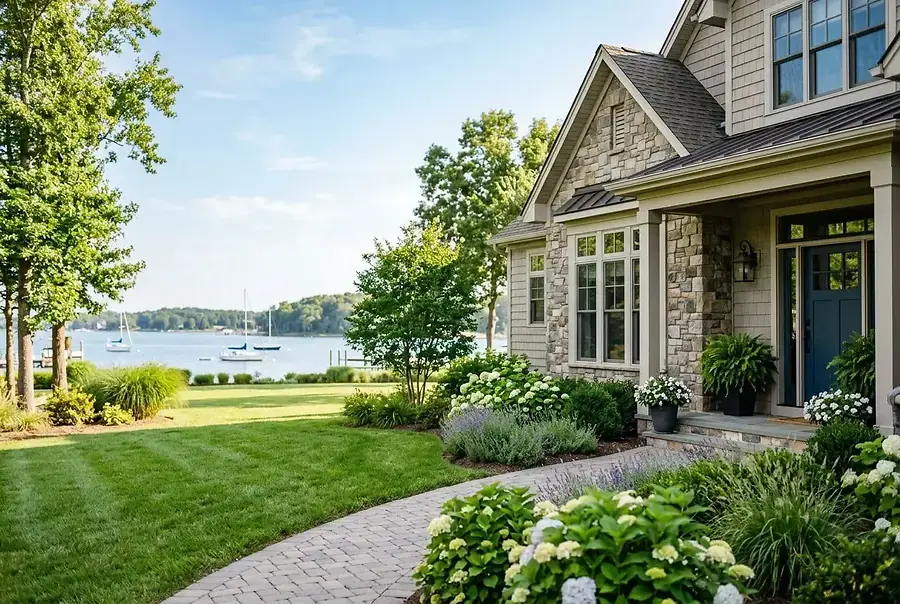
First impressions matter enormously in real estate. A home's exterior is the first thing potential buyers see, and it sets the tone for their entire viewing experience. Well-maintained landscaping, fresh paint, updated entry features, and attractive hardscaping can dramatically influence perceived value and buyer interest.
"Your home's exterior is your first marketing tool. Investing in curb appeal often yields returns that far exceed the initial investment."
Age and Architectural Style
While older homes can have charm and character, newer construction often commands premium prices due to modern building standards, updated systems, and lower immediate maintenance needs. However, well-maintained historic homes in desirable Chesapeake neighborhoods can appreciate significantly due to their uniqueness and established locations.
Conclusion: Maximizing Your Home's Long-Term Investment Potential
Your Chesapeake home's resale value is influenced by a complex interplay of market factors and property-specific elements. While you can't control broader economic trends or neighborhood desirability, you can absolutely influence how your individual property appreciates through thoughtful maintenance, strategic improvements, and informed decision-making.
The homeowners who see the strongest returns on their investments are those who:
- Maintain their properties consistently and address issues promptly
- Make improvements that enhance functionality and appeal to broad buyer demographics
- Stay informed about their local market and neighborhood trends
- Invest in energy efficiency and modern systems
- Prioritize curb appeal and overall presentation
By understanding these factors and taking proactive steps to protect and enhance your property, you're not just maintaining a home—you're nurturing a valuable asset. Whether you're planning to stay in Chesapeake for decades or sell within the next few years, these principles will help ensure your home appreciates and serves as a strong financial foundation for your future.