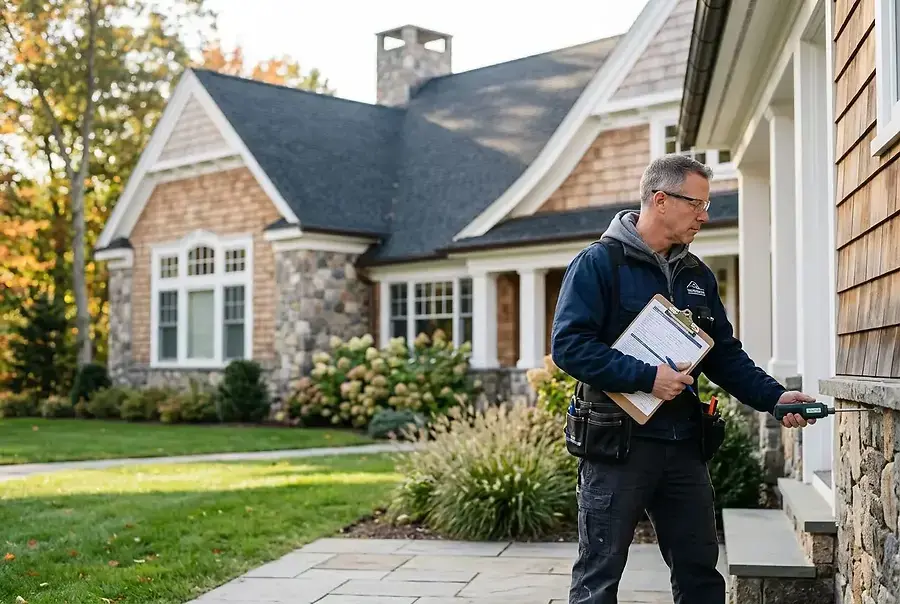
Why Home Inspections Matter in the Cheshire Market
Purchasing a home is one of the most significant financial decisions you'll make in your lifetime. In the competitive Cheshire real estate market, a thorough home inspection serves as your critical safeguard against costly surprises after closing. A professional inspection provides an objective assessment of your potential property's condition, identifying issues that could affect its value, safety, and your long-term satisfaction.
Many buyers underestimate the importance of inspections, viewing them as an optional expense. However, skipping this step can lead to unexpected repair costs ranging from thousands to tens of thousands of dollars. An inspection report gives you leverage in negotiations and peace of mind knowing exactly what you're purchasing.
Key Areas Inspectors Evaluate in Connecticut Homes
Structural Components and Foundation
Inspectors begin by examining the foundation, which is the backbone of any home. They look for cracks, water damage, settling issues, and signs of structural movement. In Cheshire, where homes may be decades old, foundation problems can be particularly concerning and expensive to remedy.
Roofing and Exterior
The roof protects everything beneath it, making its condition paramount. Inspectors assess shingle condition, flashing integrity, gutters, and drainage systems. They also evaluate siding, windows, doors, and exterior paint for weather damage and deterioration that could lead to water intrusion.
Plumbing Systems
A comprehensive plumbing inspection includes checking water pressure, drainage, pipe materials, and water heater condition. Inspectors test fixtures throughout the home and look for signs of leaks, corrosion, or outdated materials that may require replacement.
Electrical Systems
Electrical safety is non-negotiable. Inspectors examine the main panel, circuit breakers, wiring, outlets, and switches. They verify that the electrical system meets current safety standards and can handle modern household demands without overloading.
HVAC and Climate Control
Heating, ventilation, and air conditioning systems are tested for proper operation and efficiency. Inspectors check furnaces, air conditioners, thermostats, and ductwork to ensure they function correctly and are appropriately sized for the home.
Interior Components
Inspectors evaluate walls, ceilings, floors, doors, and windows for damage, moisture issues, or structural concerns. They also assess insulation levels, ventilation, and signs of pest infestation or mold growth that could impact indoor air quality.
Red Flags and How to Negotiate Repairs
Common Red Flags to Watch For
- Water Damage and Moisture Issues: Staining on ceilings, walls, or in basements indicates past or present water problems that could lead to mold and structural damage.
- Outdated Electrical Systems: Knob-and-tube wiring or inadequate grounding poses serious safety and insurance concerns.
- Roof Age and Condition: Roofs nearing the end of their lifespan require imminent replacement, a costly undertaking.
- HVAC System Age: Systems over 15 years old may fail soon, requiring expensive replacement.
- Plumbing Materials: Polybutylene pipes or galvanized steel may fail prematurely and cause water damage.
- Foundation Cracks: Significant cracks or signs of settling warrant professional structural evaluation.
- Pest Infestation: Evidence of termites, rodents, or other pests requires immediate professional treatment.
Negotiation Strategies
Once you receive your inspection report, you have several options. Request repairs: Ask the seller to fix significant issues before closing. Request credits: Negotiate a reduction in the purchase price to cover repair costs yourself. Request inspections: For major issues, ask for specialized inspections by licensed contractors to verify severity and estimate costs accurately.
Approach negotiations professionally and reasonably. Focus on safety issues and major systems rather than cosmetic concerns. Sellers are more likely to cooperate when requests are justified and documented by the inspection report.
Protecting Your Investment: Next Steps After Inspection
Review the Report Thoroughly
Don't simply skim your inspection report. Read it carefully, ask your inspector questions, and request clarification on any concerns. Understanding the findings empowers you to make informed decisions about your purchase.
Prioritize Issues by Severity
Categorize findings into critical safety issues, major system problems, and minor maintenance items. This helps you focus negotiations on what truly matters and identify which repairs are essential versus cosmetic.
Get Second Opinions When Needed
For significant issues like foundation problems or roof concerns, consider hiring specialized contractors for detailed evaluations. Their expertise can provide more accurate repair estimates and help you understand long-term implications.
Plan Your Maintenance Schedule
Even after closing, use your inspection report as a maintenance guide. Address recommended repairs promptly to prevent minor issues from becoming major problems. Regular maintenance protects your investment and maintains your home's value.
Document Everything
Keep your inspection report, all communications with the seller, and repair receipts in a safe place. This documentation proves the home's condition at purchase and becomes valuable when selling in the future.
A thorough home inspection is your best defense against costly surprises in the Cheshire real estate market. By understanding what inspectors evaluate, recognizing red flags, and taking appropriate action, you protect your investment and ensure you're making an informed decision about one of life's most important purchases.