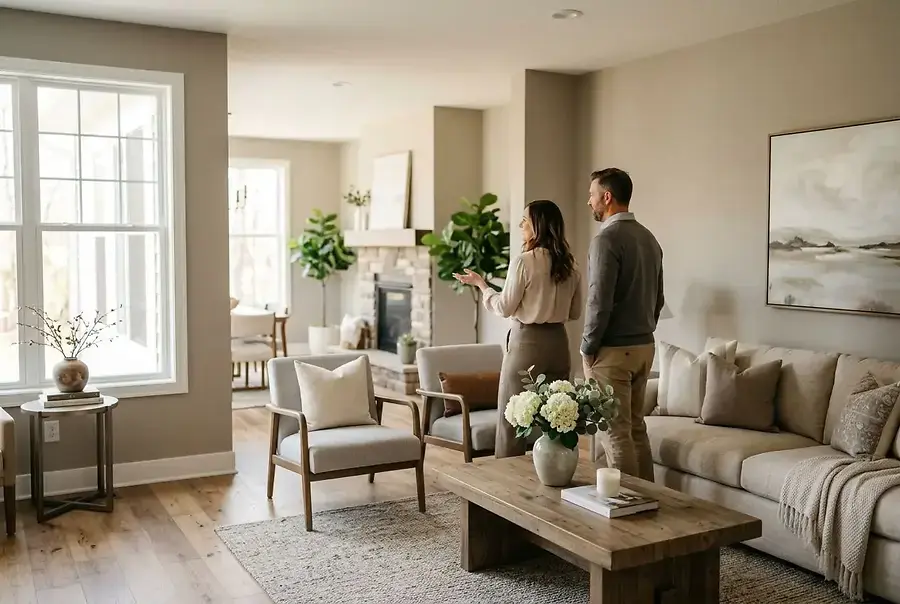
The Impact of Home Staging on Buyer First Impressions
When potential buyers step through your door, they form an opinion within seconds. Home staging is the art and science of presenting your property in its absolute best light, and it's one of the most powerful tools in your selling arsenal. In the Chesterland market, where competition is fierce and buyer expectations are high, strategic staging can mean the difference between a quick sale and a property that lingers on the market.
Research consistently shows that staged homes sell faster and for higher prices than unstaged properties. Buyers don't just purchase a house—they purchase a vision of their future. When your home is properly staged, you're helping them see themselves living there, entertaining guests, and building memories. This emotional connection is invaluable.
The first impression begins before buyers even enter your home. Your curb appeal sets the tone for their entire experience, and a well-maintained exterior signals that the interior has been equally cared for. From there, every room tells a story about how the space can be used and enjoyed.
Essential Staging Techniques for Maximum Buyer Appeal
Declutter and Depersonalize
The most critical staging step is removing excess items. Clutter distracts buyers and makes spaces feel smaller. Walk through each room and ask yourself: does this item serve a purpose or add beauty? If not, it should go.
Similarly, depersonalize your space. While family photos and personal memorabilia are meaningful to you, they can distract buyers from envisioning their own lives in the home. Pack away highly personal items and replace them with neutral, tasteful décor.
Optimize Lighting and Color
Lighting dramatically affects how buyers perceive your space. Natural light is your best friend—open all curtains and blinds during showings. For artificial lighting, ensure all bulbs are working and consider upgrading to warmer, inviting tones.
When it comes to paint colors, neutral palettes are your safest bet. Soft whites, warm grays, and subtle beiges create a blank canvas that allows buyers to imagine their own style. If you have bold accent walls, consider repainting them in neutral tones.
Furniture Arrangement and Scale
Arrange furniture to highlight the room's best features and create natural traffic flow. Oversized furniture can make spaces feel cramped, while too little furniture can make rooms feel empty and cold. Strike a balance that showcases the room's potential without overwhelming it.
Create conversation areas and demonstrate how spaces can be used. In the living room, position seating to face the focal point. In the bedroom, ensure the bed is the star of the show with quality bedding and tasteful nightstands.
Add Strategic Touches
Small details create big impacts. Fresh flowers, quality artwork, and carefully selected accessories add warmth and sophistication. A well-styled bookshelf, a cozy throw blanket, or fresh fruit in a bowl can make spaces feel inviting and lived-in without appearing cluttered.
Room-by-Room Staging Strategy for Chesterland Homes
The Kitchen
Kitchens are often the deciding factor for buyers. Keep countertops clear except for a few essential items like a fruit bowl or coffee maker. Clean and organize cabinets, ensuring they close smoothly. Sparkling appliances and a spotless sink are non-negotiable. Consider fresh paint or new hardware if your kitchen feels dated.
The Master Bedroom
Create a serene retreat that feels like a luxury hotel. Invest in quality bedding with neutral colors and minimal patterns. Remove exercise equipment, work materials, and anything that suggests stress. The goal is to help buyers imagine peaceful nights and relaxing mornings.
Bathrooms
Bathrooms should feel spa-like and immaculate. Deep clean every surface, including grout and fixtures. Remove personal items like medications and excessive toiletries. Add fluffy towels, a small plant, and perhaps a scented candle to create an inviting atmosphere.
Living Spaces
These areas should feel warm and welcoming. Arrange furniture to showcase the room's size and natural light. If you have a fireplace, make it a focal point. Add ambient lighting with table lamps and ensure there's a clear view of any architectural features or windows.
Outdoor Spaces
Don't forget about patios, decks, and yards. Landscaping and outdoor staging are just as important as interior design. Trim bushes, mow the lawn, add potted plants, and ensure outdoor furniture is clean and inviting. These spaces extend your home's living area and should be presented as such.
Staging as Your Competitive Advantage in the Chesterland Market
In a competitive market, staging isn't a luxury—it's a necessity. Homes that are properly staged attract more serious buyers, generate more offers, and sell for higher prices. The investment in staging typically returns itself many times over through a faster sale and better final price.
Consider hiring a professional stager who understands the Chesterland market. They bring expertise, an objective eye, and access to furnishings and décor that can transform your space. Even if you choose to stage yourself, the principles remain the same: declutter, depersonalize, optimize lighting, and create spaces that help buyers envision their future.
Your home is likely one of your most valuable assets. Taking the time to present it strategically isn't just about making a sale—it's about maximizing your return on investment and moving forward with confidence. In today's market, staging is the competitive advantage that separates successful sellers from those who struggle to find their buyer.