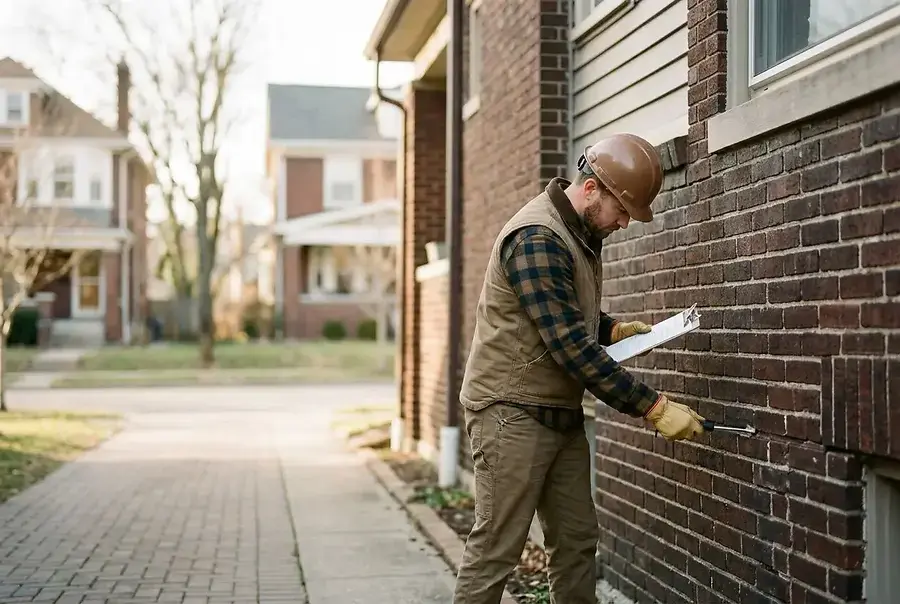
Understanding the Home Inspection Process
A home inspection is one of the most critical steps in the home-buying process. This comprehensive evaluation examines the structural integrity, mechanical systems, and overall condition of a property. In Cincinnati, a qualified home inspector will spend 2-4 hours thoroughly examining your potential investment, providing you with detailed documentation of the property's condition.
The inspection process typically begins with an exterior evaluation, including the roof, foundation, siding, and landscaping. The inspector then moves indoors to assess the interior systems, appliances, and structural elements. Understanding what happens during this process helps you prepare questions and know what to expect from your inspection report.
What to Expect During Your Inspection
Your inspector will use specialized tools and equipment to evaluate various systems. They'll check electrical panels, test outlets, inspect plumbing fixtures, and examine HVAC systems. You're encouraged to walk through the inspection with the inspector, asking questions and taking notes. This hands-on approach helps you understand the property's condition firsthand and demonstrates your commitment to due diligence.
Critical Areas Inspectors Evaluate
Structural Components
The foundation is the backbone of any home. Inspectors look for cracks, settling, water damage, and signs of structural movement. In Cincinnati's climate, foundation issues are particularly important due to soil composition and seasonal moisture changes. Walls, floors, and ceilings are examined for signs of stress or damage that could indicate deeper problems.
Roofing and Exterior
Your roof protects everything beneath it, making its condition paramount. Inspectors assess shingle condition, flashing integrity, gutters, and downspouts. They'll check for missing shingles, improper repairs, and signs of water infiltration. The exterior walls, windows, and doors are evaluated for weatherproofing and structural soundness.
Plumbing Systems
Water damage is one of the most expensive problems homeowners face. Inspectors test all fixtures, check for leaks, and examine water pressure. They'll inspect visible pipes for corrosion, particularly important in older Cincinnati homes where galvanized pipes may need replacement. The water heater's age and condition are also documented.
Electrical Systems
A safe electrical system is non-negotiable. Inspectors examine the main panel, test outlets, and check for outdated wiring. They verify that the system meets current safety codes and has adequate capacity for modern appliance usage. Aluminum wiring, a concern in some homes, is specifically noted.
HVAC and Ventilation
Heating and cooling systems are evaluated for age, maintenance, and functionality. Inspectors check furnaces, air conditioners, and ventilation systems. They assess whether systems are appropriately sized for the home and operating efficiently. Ductwork is examined for leaks and proper installation.
Red Flags and How to Address Them
Major Concerns
Certain findings warrant serious attention and negotiation. These include:
- Foundation cracks or settling – Can indicate structural problems requiring professional engineering assessment
- Roof damage or age – A roof nearing the end of its lifespan may need replacement within years
- Water damage or mold – Suggests moisture intrusion that could affect health and structural integrity
- Outdated electrical systems – May pose fire hazards and require costly upgrades
- Plumbing issues – Leaks or corrosion can lead to expensive repairs and water damage
Minor Concerns
Not every finding is a deal-breaker. Minor issues might include:
- Caulking or weatherstripping needing replacement
- Paint touch-ups or cosmetic repairs
- Routine maintenance items like gutter cleaning
- Non-functional outlets or light fixtures
Getting a Second Opinion
For major concerns, consider hiring a specialist. A structural engineer can assess foundation issues, a roofer can evaluate roof condition, and a plumber can inspect water systems. These specialized inspections provide detailed information for negotiation and help you understand repair costs accurately.
Using Inspection Results in Your Purchase Negotiation
Preparing Your Negotiation Strategy
Armed with your inspection report, you have leverage in negotiations. Document everything – take photos and videos of concerning areas. Obtain repair estimates from licensed contractors to support your negotiation requests. This concrete information strengthens your position when discussing price reductions or requested repairs.
Negotiation Options
You have several paths forward after receiving your inspection report:
- Request repairs – Ask the seller to fix identified issues before closing
- Request a price reduction – Negotiate a lower purchase price to account for repairs you'll handle
- Request a credit at closing – Receive funds to cover repairs after purchase
- Walk away – If issues are too significant, you may choose to terminate the purchase
Making Your Case
Present your findings professionally and factually. Focus on safety issues and major systems rather than cosmetic concerns. Use contractor estimates to justify your requests with concrete numbers. Be reasonable – sellers are more likely to negotiate when requests are fair and well-documented.
Final Walkthrough
Before closing, conduct a final walkthrough to verify that agreed-upon repairs were completed satisfactorily. Confirm that the property condition matches what was documented in the inspection report. This final check protects you and ensures you're getting what you negotiated for.
Pro Tip: Keep your inspection report and all related documents for future reference. These records prove invaluable for warranty claims, insurance purposes, and when you eventually sell the property.
Moving Forward with Confidence
A thorough home inspection is your best defense against costly surprises. By understanding what inspectors evaluate, recognizing red flags, and using inspection results strategically, you protect your investment and make informed decisions. Whether you're a first-time homebuyer or an experienced investor, prioritizing a professional inspection ensures you're making one of life's largest purchases with complete knowledge and confidence.