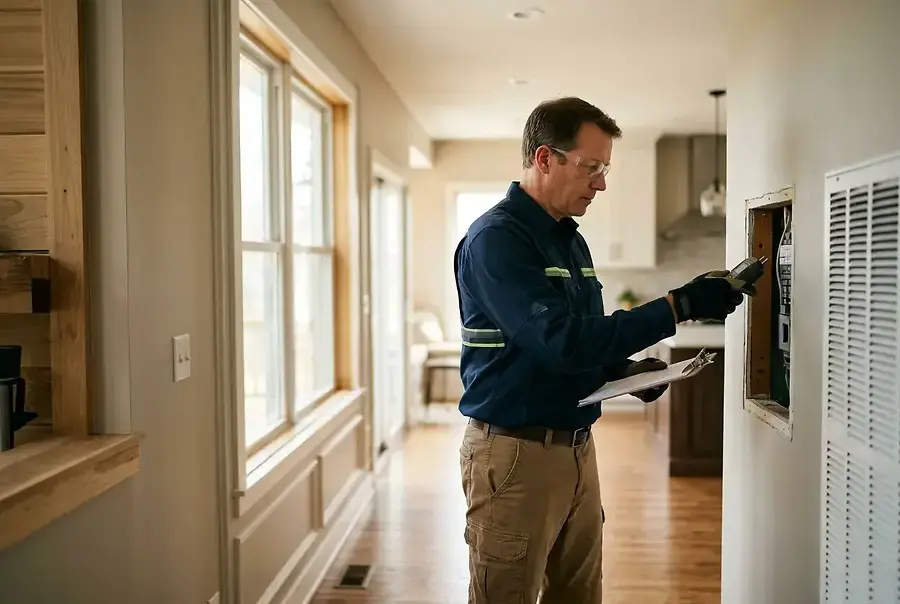
Understanding the Home Inspection Process in Cincinnati
Purchasing a home is one of the most significant financial decisions you'll make in your lifetime. In Cincinnati's competitive real estate market, a thorough home inspection is your best defense against unexpected repairs and costly surprises. A professional home inspection typically takes two to three hours and involves a detailed examination of the property's major systems and structural components.
During the inspection process, a certified inspector will evaluate everything from the foundation to the roof, checking for signs of damage, wear, and potential safety hazards. Understanding what inspectors look for and why these checks matter is essential for any buyer. The inspection report becomes a critical tool in your negotiation strategy and helps you make an informed decision about whether to proceed with the purchase.
Key Areas Inspectors Evaluate: Structural, Systems, and Safety
Structural Components
The foundation is the backbone of any home. Inspectors carefully examine the foundation for cracks, settling, and water damage. Even small cracks can indicate larger structural problems that may require expensive repairs. They also evaluate the condition of walls, floors, and the overall structural integrity of the building.
The roof is another critical area of focus. Inspectors assess the age of the roof, check for missing or damaged shingles, and look for signs of leaks or water damage in the attic. In Cincinnati's climate, where weather can be unpredictable, a well-maintained roof is essential for protecting your investment.
Mechanical and Electrical Systems
Your home's mechanical systems keep it comfortable and functional. Inspectors evaluate:
- HVAC Systems: Heating, ventilation, and air conditioning units are tested for proper operation and efficiency
- Plumbing: Water pressure, drainage, and the condition of pipes are examined for leaks or corrosion
- Electrical Systems: The panel, wiring, and outlets are checked for safety and code compliance
- Water Heater: Age, condition, and proper functioning are assessed
These systems represent significant replacement costs if they fail, making their evaluation crucial to your decision-making process.
Safety and Environmental Concerns
Professional inspectors also check for potential safety hazards and environmental issues. This includes testing for carbon monoxide, checking for mold, and identifying asbestos or lead paint in older homes. In Cincinnati, where many properties have historical significance, identifying these hazards early can save you from serious health and financial consequences.
How to Interpret Your Inspection Report and Negotiate Repairs
Understanding the Report
Your inspection report will categorize findings into different severity levels. Major issues require immediate attention and can significantly impact your offer, while minor issues may be cosmetic or easily fixable. The report should clearly explain what was found, why it matters, and what repairs or further evaluation might be needed.
Take time to review the report carefully and ask your inspector questions about anything you don't understand. A reputable inspector will be happy to clarify findings and explain the implications for your home's safety and longevity.
Negotiation Strategies
Once you have the inspection report, you have several options:
- Request repairs: Ask the seller to fix major issues before closing
- Request credits: Negotiate a reduction in the purchase price to cover repair costs
- Walk away: If major issues are discovered, you may have grounds to terminate the contract
- Accept as-is: For minor issues, you may choose to proceed without requesting changes
The key is understanding which issues are deal-breakers and which are manageable. Focus your negotiations on structural problems, safety hazards, and major system failures rather than cosmetic issues or minor wear and tear.
Getting Repair Estimates
For significant findings, consider obtaining repair estimates from licensed contractors. This gives you concrete numbers to use in negotiations and helps you understand the true cost of addressing problems. Sellers are more likely to take your requests seriously when you provide specific repair estimates.
Protecting Your Investment: Next Steps After the Inspection
Document Everything
Keep copies of your inspection report, all correspondence with the seller, and any repair estimates you obtain. This documentation protects you legally and provides a baseline for future reference. If you discover issues after closing that should have been identified during inspection, this documentation becomes valuable.
Plan for Future Maintenance
Even if the inspection reveals no major issues, use the report as a maintenance guide. The inspector's findings about the age and condition of various systems help you plan for future replacements and maintenance. Staying ahead of maintenance prevents small problems from becoming expensive repairs.
Consider a Home Warranty
Many Cincinnati homebuyers invest in a home warranty that covers major systems and appliances for a set period. This provides peace of mind and protects against unexpected repair costs in the first year of ownership.
Schedule Follow-Up Inspections
For any issues that the seller agrees to repair, schedule a follow-up inspection before closing to verify that work was completed properly. Don't assume repairs were done correctly without verification.
A thorough home inspection is not an expense—it's an investment in your peace of mind and financial security. Taking the time to understand the inspection process and act on the findings protects you from costly surprises and helps ensure your Cincinnati home remains a sound investment for years to come.