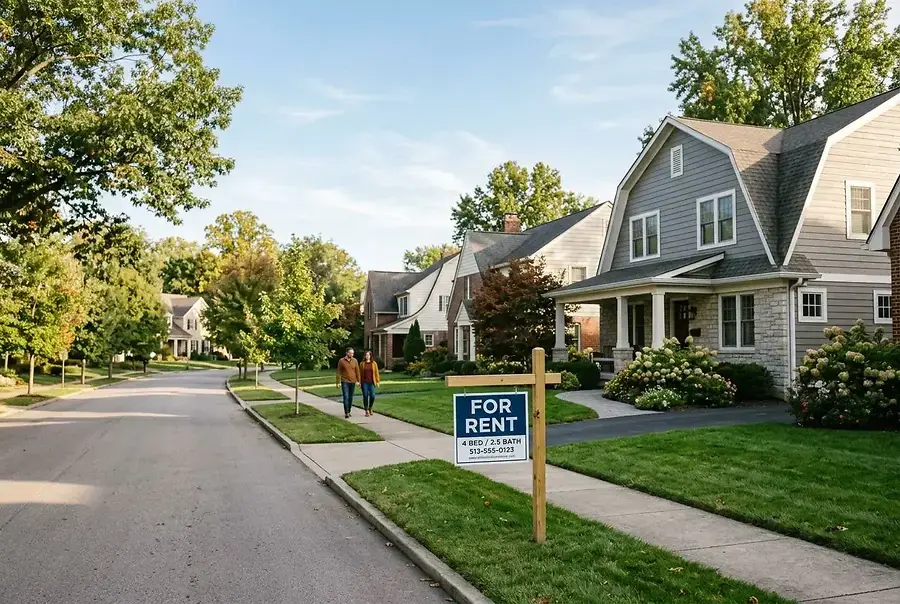
Understanding Cincinnati's Residential Investment Landscape
Cincinnati has emerged as one of the most attractive markets for residential real estate investors in the Midwest. The city offers a unique combination of affordable property prices, strong rental demand, and steady appreciation potential. Unlike coastal markets where entry barriers are prohibitively high, Cincinnati allows investors to build substantial portfolios without requiring massive capital outlays.
The residential market in Cincinnati is characterized by several key advantages:
- Affordability: Median home prices remain significantly lower than national averages, allowing investors to acquire multiple properties
- Strong Rental Market: Growing population and limited new construction create consistent tenant demand
- Economic Diversification: The city's economy spans healthcare, manufacturing, finance, and technology sectors
- Population Growth: Young professionals and families continue relocating to Cincinnati for job opportunities and quality of life
Understanding these fundamentals is essential before diving into specific neighborhoods and properties. The Cincinnati market rewards investors who take time to research local trends and economic indicators.
Evaluating Properties and Neighborhoods for Long-Term Growth
Identifying High-Potential Neighborhoods
Not all Cincinnati neighborhoods offer equal investment potential. Successful investors focus on areas experiencing revitalization, infrastructure improvements, and demographic shifts that support property appreciation.
Key neighborhoods to monitor include:
- Over-the-Rhine: Historic district undergoing significant renovation with increasing commercial activity and young professional population
- Northside: Emerging area with improving schools and community development initiatives
- Oakley: Established neighborhood with strong rental demand and consistent appreciation
- Corryville: University-adjacent area with reliable student housing demand
When evaluating neighborhoods, examine crime statistics, school ratings, proximity to employment centers, and planned infrastructure projects. Properties near universities, hospitals, and downtown areas typically generate stronger rental income and appreciate faster.
Property Analysis Framework
Beyond neighborhood selection, thorough property evaluation determines investment success. Use the 1% Rule as a starting benchmark: monthly rental income should equal at least 1% of the property's purchase price. For example, a $150,000 property should generate at least $1,500 monthly rent.
Conduct detailed inspections covering:
- Structural integrity and foundation condition
- HVAC, plumbing, and electrical systems
- Roof age and condition
- Potential code violations or deferred maintenance
- Energy efficiency and utility costs
Smart investors view property inspection costs as insurance against expensive surprises. A $500 professional inspection can prevent $50,000 in hidden problems.
Calculate your cash-on-cash return by dividing annual cash flow by your initial investment. A property generating $8,000 annual cash flow on a $40,000 down payment yields a 20% cash-on-cash return—excellent for real estate investments.
Financing and Cash Flow Strategies for Residential Investors
Financing Options for Residential Properties
Cincinnati's competitive lending environment offers multiple financing pathways. Traditional mortgages remain popular, but savvy investors explore alternative strategies:
- Conventional Loans: Standard 15-30 year mortgages with competitive rates for owner-occupied or investment properties
- FHA Loans: Lower down payments (3.5%) for owner-occupied properties, useful for house-hacking strategies
- Portfolio Loans: Local banks holding mortgages in-house, offering flexibility for investors with multiple properties
- Private Lending: Alternative funding from private investors or hard money lenders for quick acquisitions
Compare loan terms carefully. A lower interest rate might mean higher fees, while longer amortization periods reduce monthly payments but increase total interest paid. Work with lenders experienced in investment property financing who understand Cincinnati's market dynamics.
Maximizing Cash Flow
Positive cash flow separates successful investors from those struggling with negative cash flow properties. Implement these strategies:
Rent Optimization: Research comparable rents in your neighborhood and price competitively. Underpricing leaves money on the table, while overpricing creates vacancies. Market rents in Cincinnati typically range from $900-$1,500 for single-family homes depending on location and condition.
Expense Management: Control operating expenses through preventive maintenance, competitive vendor bidding, and efficient property management. Budget 30-50% of rental income for expenses including property taxes, insurance, maintenance, and management fees.
Value-Add Strategies: Increase property value and rental income through strategic improvements. Fresh paint, updated appliances, and modern flooring often yield strong returns. Avoid over-improving relative to neighborhood standards.
Tenant Quality: Thorough screening reduces vacancy periods and maintenance issues. Verify employment, check references, and review credit history. Quality tenants pay on time and respect properties, directly impacting your bottom line.
Building Your Portfolio
Start with one or two properties to understand the business before scaling. Each property teaches valuable lessons about tenant management, maintenance, and market dynamics. As you gain experience and build equity, reinvest profits into additional properties.
Consider house-hacking strategies where you live in one unit while renting others, reducing your personal housing costs while building equity. This approach accelerates wealth accumulation and provides intimate market knowledge.
Conclusion: Starting Your Cincinnati Investment Journey
Cincinnati residential real estate offers compelling opportunities for wealth-building investors. The combination of affordable entry prices, strong rental demand, and appreciation potential creates an ideal environment for building substantial portfolios.
Success requires disciplined analysis, thorough due diligence, and strategic financing. Focus on neighborhoods with strong fundamentals, evaluate properties using proven metrics, and structure deals that generate positive cash flow from day one.
Your next steps:
- Research Cincinnati neighborhoods and identify areas aligned with your investment goals
- Connect with local real estate agents and investors to understand market nuances
- Analyze 10-20 properties using the frameworks outlined above
- Secure financing and make your first investment
- Build systems for property management and tenant relations
Cincinnati's residential real estate market rewards patient, informed investors who understand local dynamics and execute disciplined strategies. Begin your investment journey today and position yourself for long-term wealth accumulation through residential properties.